
“The world has been fed many lies about me..”
Richard Ramírez
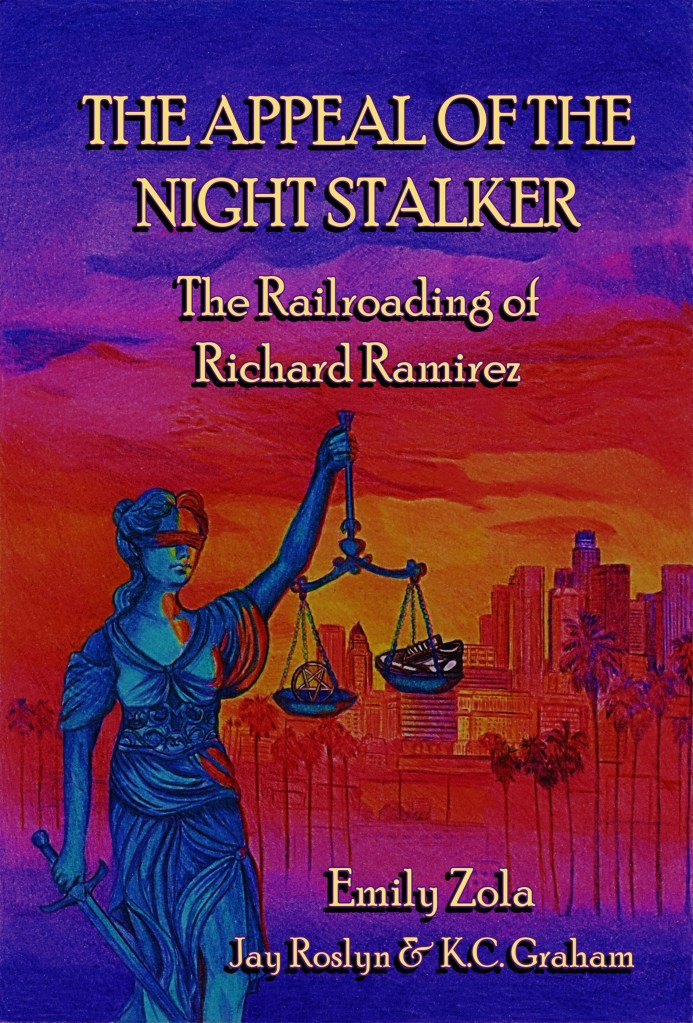
Now available, the book: The Appeal of the Night Stalker: The Railroading of Richard Ramirez.
Welcome to our blog.
This analysis examines the life and trial of Richard Ramirez, also known as The Night Stalker. Our research draws upon a wide range of materials, including evidentiary documentation, eyewitness accounts, crime reports, federal court petitions, expert testimony, medical records, psychiatric evaluations, and other relevant sources as deemed appropriate.
For the first time, this case has been thoroughly deconstructed and re-examined. With authorised access to the Los Angeles case files, our team incorporated these findings to present a comprehensive overview of the case.
The Writ of Habeas Corpus
The literal meaning of habeas corpus is “you should have the body”—that is, the judge or court should (and must) have any person who is being detained brought forward so that the legality of that person’s detention can be assessed. In United States law, habeas corpus ad subjiciendum (the full name of what habeas corpus typically refers to) is also called “the Great Writ,” and it is not about a person’s guilt or innocence, but about whether custody of that person is lawful under the U.S. Constitution. Common grounds for relief under habeas corpus—”relief” in this case being a release from custody—include a conviction based on illegally obtained or falsified evidence; a denial of effective assistance of counsel; or a conviction by a jury that was improperly selected and impanelled.
All of those things can be seen within this writ.
The Writ of Habeas Corpus is not a given right, unlike review on direct appeal, it is not automatic.
What happened was a violation of constitutional rights, under the 5th, 6th, 8th and 14th Amendments.
Demonised, sexualised and monetised.
After all, we are all expendable for a cause.
- ATROCIOUS ATTORNEYS (4)
- “THIS TRIAL IS A JOKE!” (8)
- CONSTITUTIONAL VIOLATIONS (9)
- DEATH ROW (3)
- DEFENCE DISASTER (7)
- INFORMANTS (6)
- IT'S RELEVANT (17)
- LOOSE ENDS (15)
- ORANGE COUNTY (3)
- POOR EVIDENCE (16)
- RICHARD'S BACKGROUND (7)
- SNARK (12)
- THE BOOK (4)
- THE LOS ANGELES CRIMES (22)
- THE PSYCH REPORTS (14)
- THE SAN FRANCISCO CRIMES (5)
- Uncategorized (5)
-
You, the Jury
Questioning
The word “occult” comes from the Latin “occultus”. Ironically, the trial of an infamous occultist and Satanist is the epitome of the meaning of the word itself: clandestine, secret; hidden.
We’ve written many words; a story needed to be told, and we created this place to enable us to do just that.
Here, in this space, we intended to present the defence omitted at Richard Ramirez’s trial in violation of his constitutional rights. Our investigations have taken us down roads we’d rather not travel along, but as we did so, we realised that there was so much hidden we could search for a lifetime and still not see the end of it. Once we’d started, there was no turning back; we followed wherever it led.This was never about proving innocence; that was never the intent or purpose. We wanted to begin a dialogue, allowing this information to be freely discussed and for us to verbalise the rarely asked questions. We asked, and we’re still asking.
We can’t tell you, the reader, what to think; you must come to your own conclusions, as we did.
And so
We’ve said what we came here to say; with 114 articles and supporting documents, we’ve said as much as we can at this point.
This blog will stand as a record of that, and although we will still be here, we intend to only update if we find new information, if we suddenly remember something we haven’t previously covered, or to “tidy up” existing articles and examine any new claims (or expose outrageous lies) that come to light. The site will be maintained, and we’ll be around to answer any comments or questions.
What Next?
We will focus on the book being worked on; we’ve also been invited to participate in a podcast. When we have dates for those, we’ll update you.
The defence rests? Somehow, I sincerely doubt that; ultimately, we’re all “expendable for a cause”.
~ J, V and K ~
-
Anatomy of a Manhunt.
This trial is a joke..
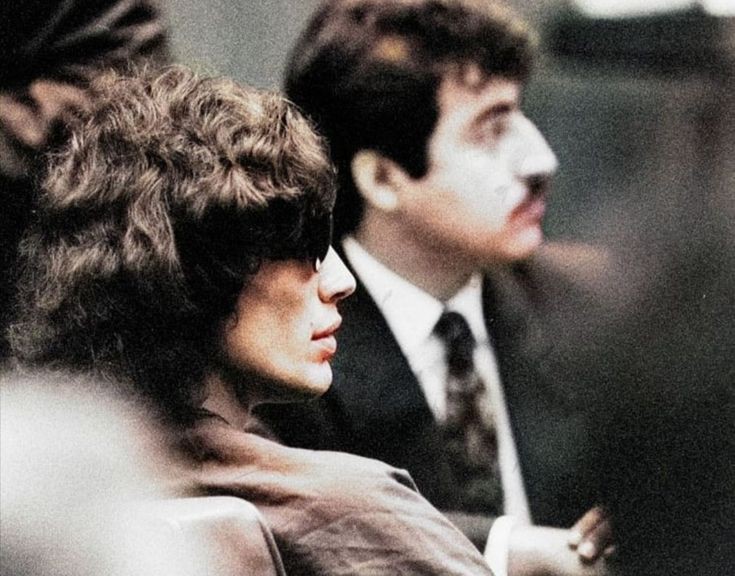
So said an infuriated and frustrated Richard Ramirez during the ridiculous charade that passed for a trial and it’s not hard to see why.
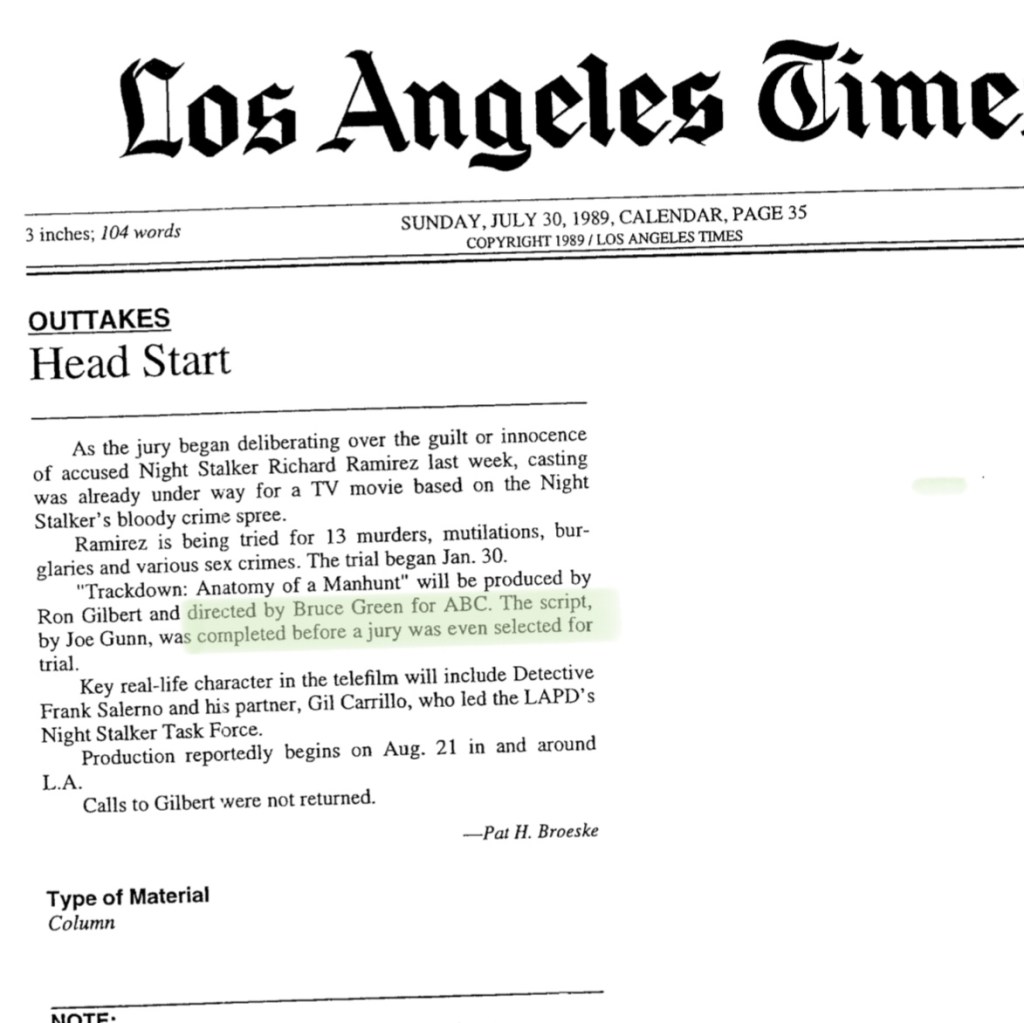
Taken from the Writ of Habeas Corpus, doc. 9-14. Article from the Los Angeles Times. This went to print July 30th, 1989. As the jury began it’s deliberation, casting was underway for a TV film called “Trackdown: The Anatomy of a Manhunt”. The script was finished even before the jury was selected!
I’m surprised Gil wasn’t available for comment, and didn’t return the calls, usually he’s all over it..
What a relief!
How lucky for them that Richard was found guilty, and were not required to shoot additional scenes. They had started writing the film script just after he was arrested in August 1985, already seeing a way to make money and to sensationalise a trial where media saturation had caused problems. Ramirez was, then, as now, always the vehicle for someone’s money making scheme.
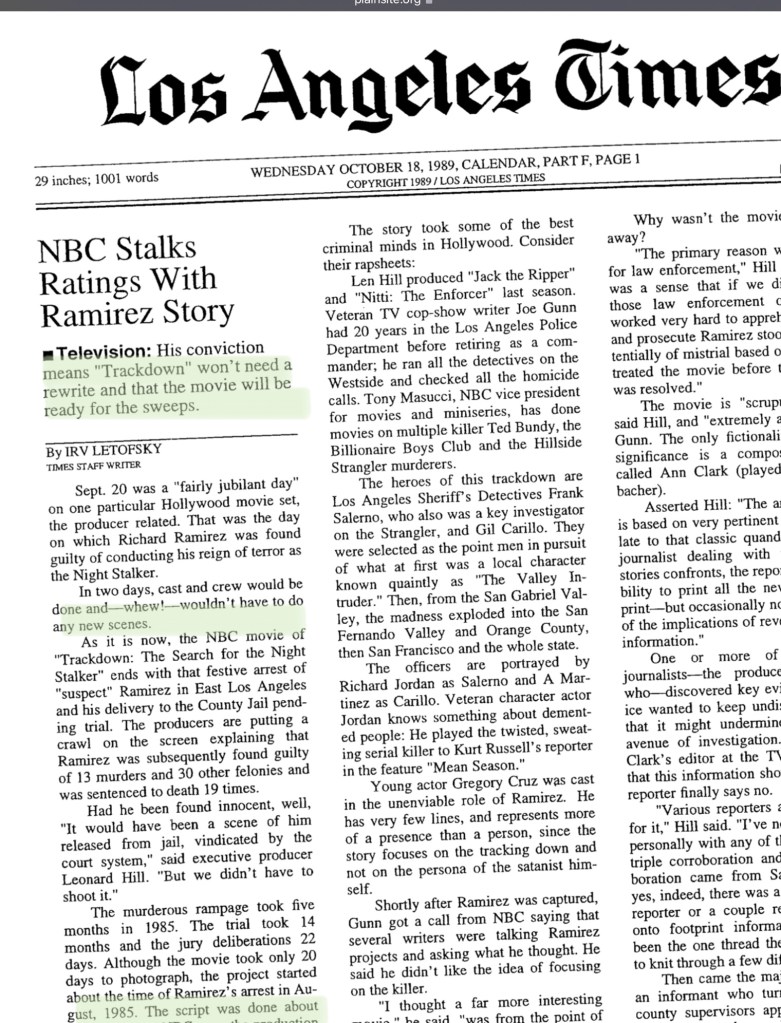
Article from the Los Angeles Times, taken from the Writ of Habeas Corpus. Doc 9 – 14
As for me, I would far rather see a film highlighting the injustice done here, highlighting the lack of evidence, the misleading of the jury by the deliberate, wrongful presentation of FOOTPRINTS, unreliable eyewitness statements, coupled with false testimony. Add to that perjury, and how fabric impressions are incapable of yielding identifiable finger prints.
Perhaps one scene could show how Ramirez got from one crime scene to another within “minutes”, according to the prosecution, when it was a distance of fourteen miles. Now that would be worth a watch!
~ Jay ~
-
But Whose Cat Was It?
What on earth..
It’s something I briefly mentioned in, this post about eyewitness identification, and this one is particularly odd, to say the least.
A 32 year old Arcadia housewife testified at the Municipal Court preliminaries that she had, in fact, seen the accused on 27th June, 1985.
“He looked strange to me..”
Indeed, very strange, for she testified that she had seen Richard Ramirez about a block away on the night before the discovery of the body of Patty Higgins.
Richard, according to the eyewitness, was outside Bob’s Big Boy restaurant, with a “cat on his neck, carrying a container of ice cream”
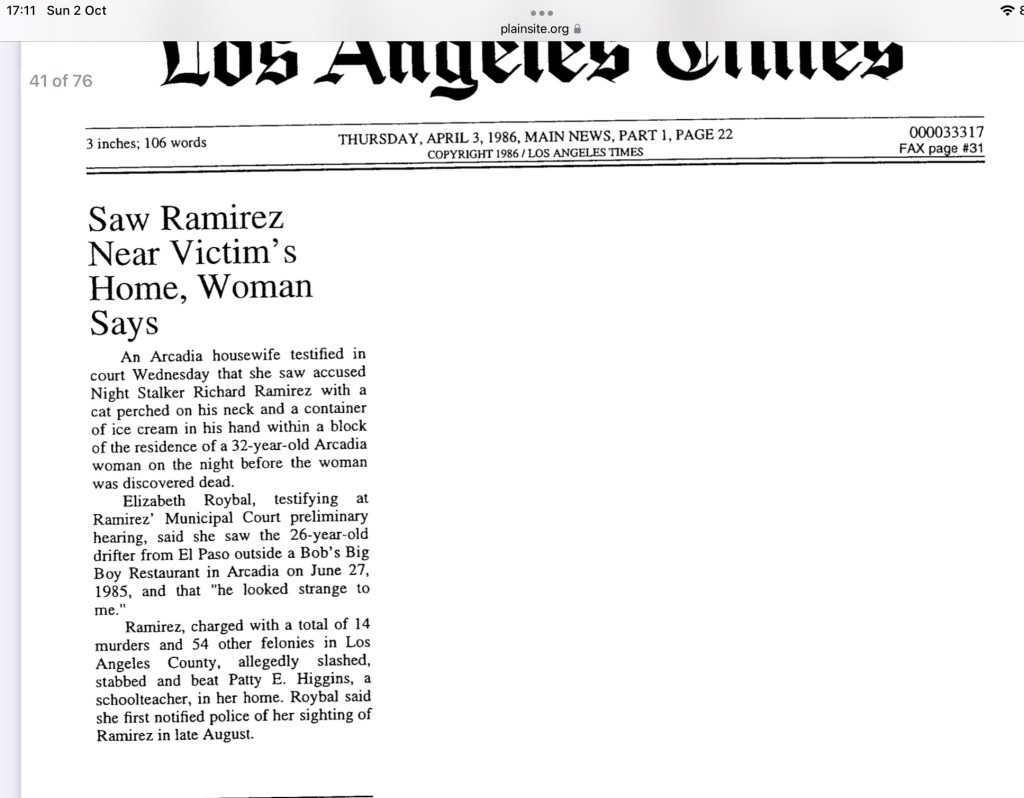
I have so many questions..
This odd sight doesn’t seem to have unsettled the lady unduly, as she didn’t bother to report it until late August.. and yet this witness “identification” is the only thing that the prosecution had to link Richard to the crime. It being so preposterous that the charge was quietly dropped, as the evidence against him was non-existent and the prosecutors didn’t want this to weaken any other charges, with equally bad evidence.
However, this murder is forever blamed on Ramirez and no further investigation was required. As far as law enforcement were concerned, a cat and a tub of ice cream was all that was needed.
Just one more bizarre moment from the case, nothing see here.
However, I would dearly love to know who’s cat it was..
*Update* 13th November 2023
In an interesting move away from what was testified to in court and reported in the papers in 1986 and 1987, Detective Carrillo has declared that Elizabeth Roybal came across Richard Ramirez and his cat forty yards from the house of Patti Higgins on the night of her murder, which occurred 27th/28th 1985. The autopsy report could not determine the exact time of her death.
Credit: Joseph Giacalone. Full video here As previously stated, this was not recorded in the preliminary hearing, when she said she saw someone who may have been the suspect about a block away, standing outside Bob’s Big Boy restaurant, and yes, the person she saw did indeed have a cat.
Detective Carrillo did not mention that the suspect was also seen carrying a tub of ice cream, but in a strange turn of events, he seems to be implying that Richard Ramirez took a cat to one of the crime scenes.
“She put him there”, he declares. However, Ms Roybals clearly felt no urgency to report what she had seen, and Mr Giacalone did not seem to blink during this odd exchange.Detective Carrillo insists that Patti Higgins didn’t have a cat, although apparently, Ramirez did.
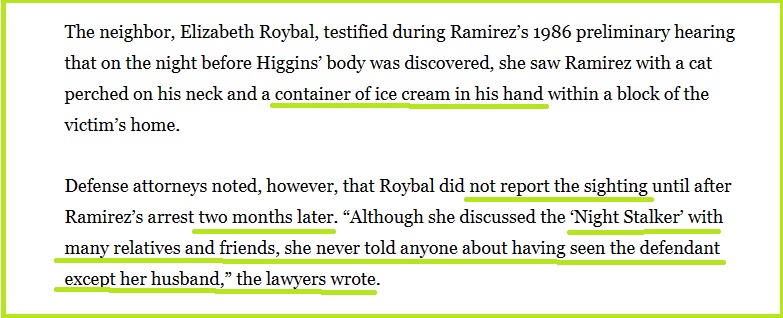
LA Times 24th November 1986 Rather like the absent Avia sneakers, no cat or cat hairs were ever established in court, and the prosecution had to drop this charge, conceding that they lacked the “extra piece of evidence” to tie the crime to the others. Please see THIS POST for more information on the joinder of charges and the “spill-over” effect.
The trial court dismissed the charge of homicide against Ms Higgins due to lack of evidence.

Writ of Habeas Corpus page 533 The tales attached to the Night Stalker case get more questionable month by month.
~ Jay ~
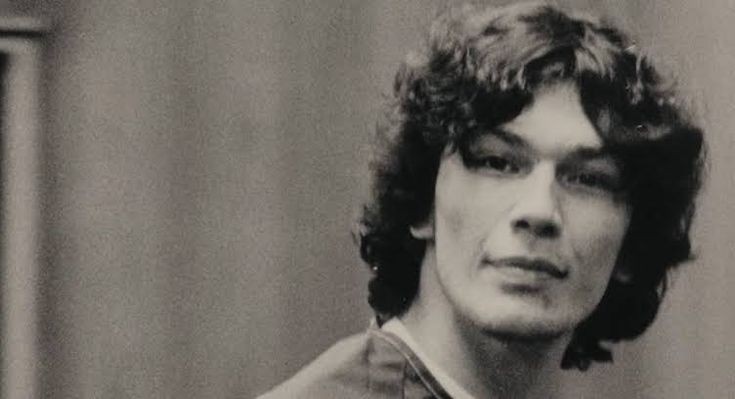
Richard Ramirez -
Arse About Tit?

Subscribe to continue reading
Subscribe to get access to the rest of this post and other subscriber-only content.
-
Where the “Night Stalker” began: The Murder of Dayle Okazaki
By Venning

The story the public is familiar with: on 17th March 1985, Richard Ramirez entered the garage of 22-year old Maria Hernandez and shot her. He proceeded into the condominium and shot Maria’s housemate, 34-year-old Dayle Okazaki, in the head. Ramirez departed without taking anything but left his hat behind, and for reasons unknown, spared Hernandez when he realised that she had survived. He left in a hurry to murder Tsai-Lian Yu, nearly four miles away. But there might be more to the story.
The Attack
On the night of March 17, 1985, Maria Hernandez returned home via the garage at the rear of the property, for which an automatic was triggered upon entry. Once inside, she pressed a button to close the garage door and headed for the internal door to the property. She heard an “undistinguishable” noise; later attributed (by Detective Gil Carrillo) to the sound of her attacker slamming his hand on one of the cars to attract her attention.
Twenty feet away stood a man, who pointed a “blue steel” gun at her face, held with both hands at his shoulder height. He advanced upon her and fired. She reflexively raised her hand to shield her face, as the automatic light went out and the bullet ricocheted off her keys. The force of the shot sent her falling to the floor. The shooter walked past her into the house, pushing her body aside with the door as he did so.
Hernandez staggered out through the garage door and tripped over, at which point she heard another gunshot. Still bleeding from her hand, she ran down an alley next to the property and out onto the street, where she saw the attacker leaving via the front door. He spotted her and aimed the gun at her. She pleaded for him not to shoot her again; he obeyed, lowered the gun and walked off into the night. Hernandez re-entered the property to find Dayle Okazaki lying face down. She called 911.
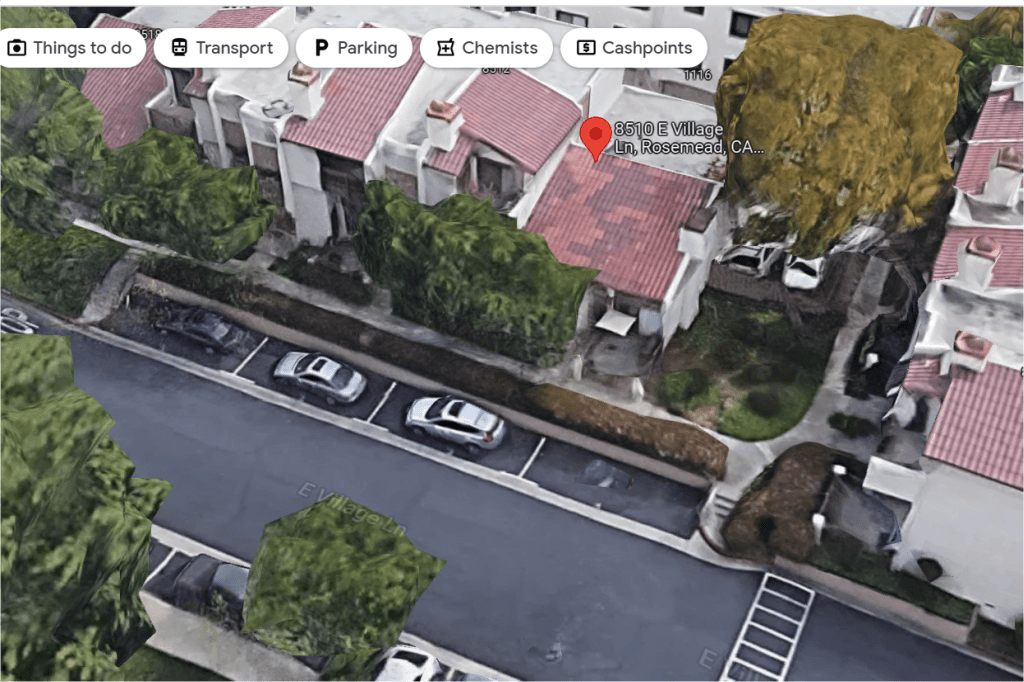
Below are Google Earth images of their condo, this is the front, where Hernandez saw the attacker exiting. She was walking west (towards the right of this image) and he was walking east (left in this image). Note that you cannot see any street lights.
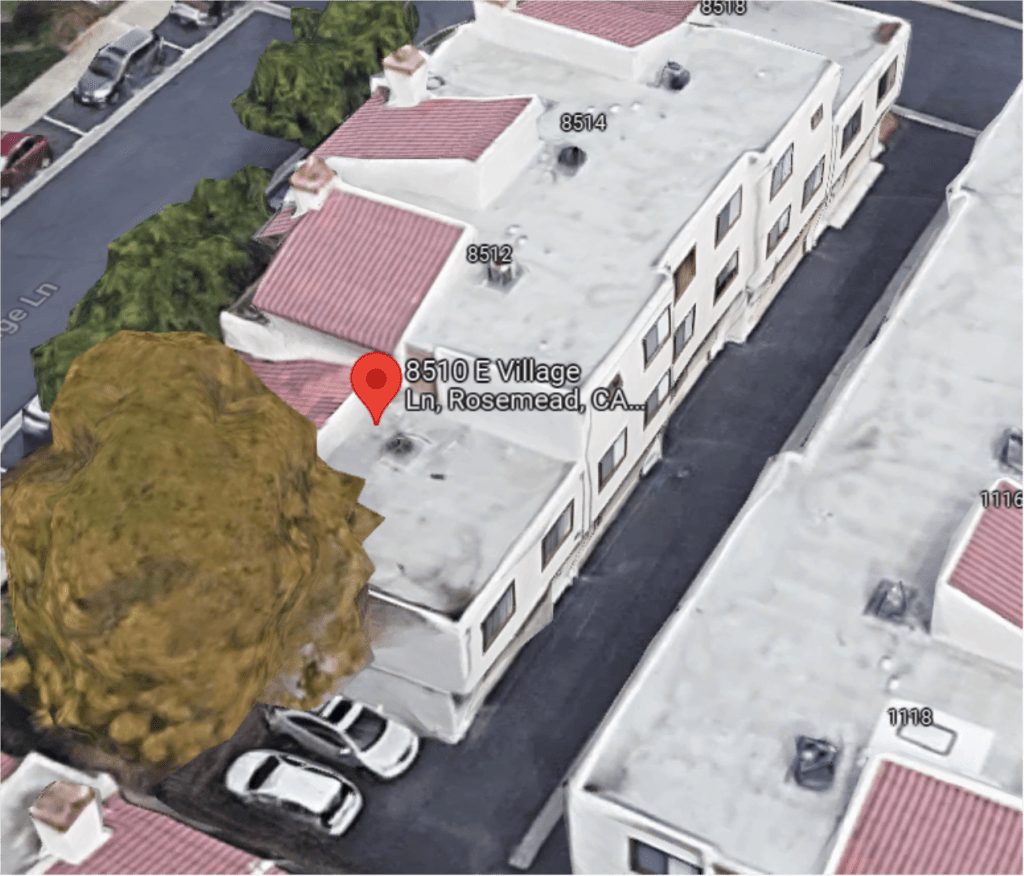
Below is the rear of the property and the lane/alley that runs behind the houses.
Deputy Sheriff Powell arrived. The report in the petition says 10:54pm, but this is possibly a typing error or Maria misspoke at trial which was reflected by the transcripts – she testified that she returned at 11:30. Police documents are more likely to have the correct time, so presumably 10:54 is correct. An “unidentified witness” told Powell that the suspect was a white male. (Habeas Corpus pg. 47). The witness is never mentioned again and did not testify at the trial.
Detective Gil Carrillo arrived at 12:20am and noted that the garage light remained on for just 8 seconds. It was originally supposed that Maria Hernandez looked at the gunman for all eight seconds, but in recently unearthed court motions, it was revealed that she only saw him for two seconds.
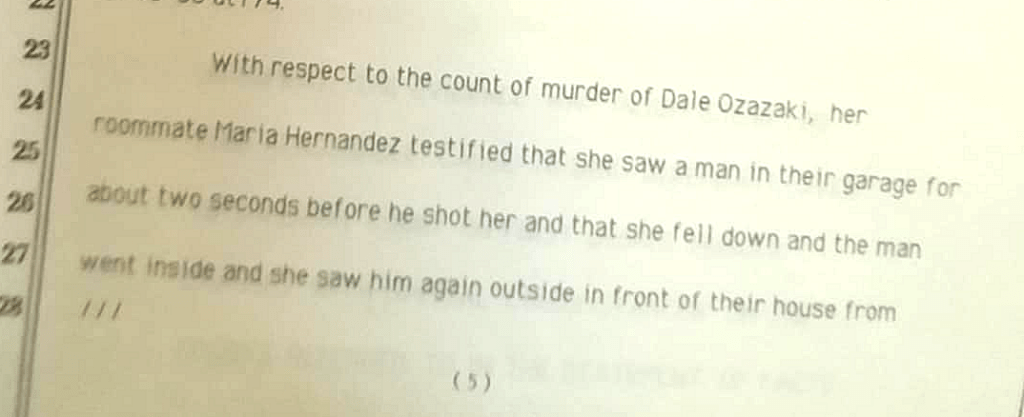
Document found in Los Angeles Hall of Records Evidence at the scene
- An AC/DC baseball cap just inside the garage threshold.
- Fingerprints inside the property.
- A heavily distorted .22 bullet extracted from Dayle Okazaki’s skull.
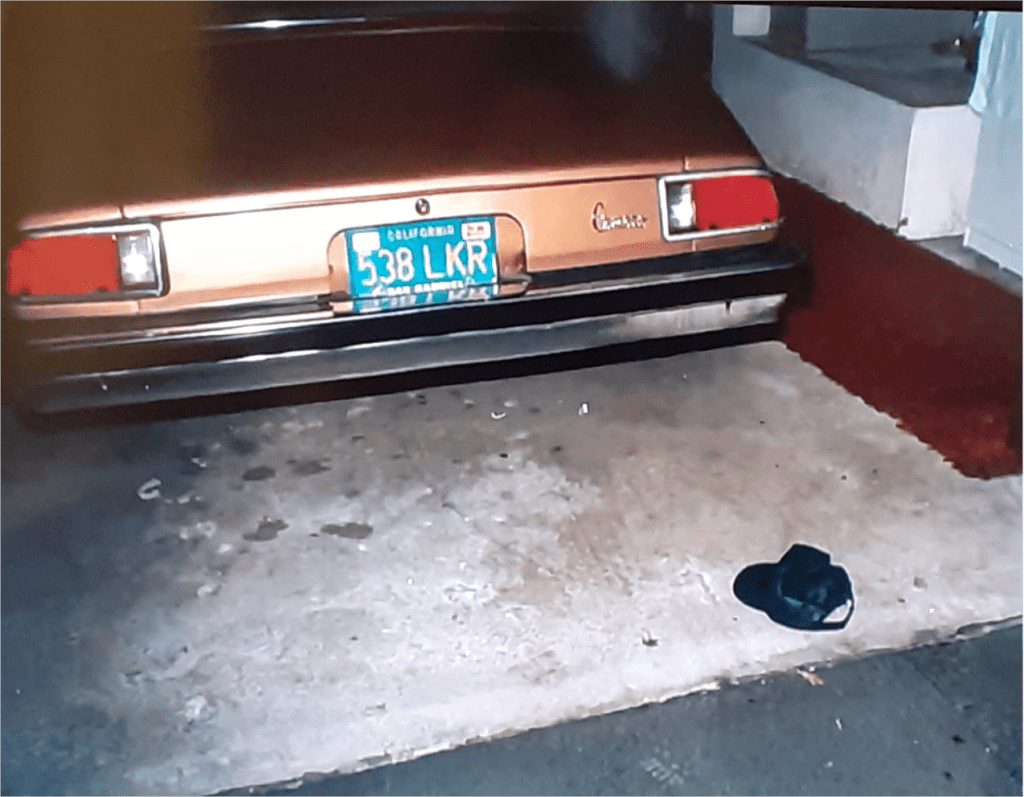
The AC/DC hat in the garage. The First ‘Night Stalker’ Witness Identification
At the hospital, Maria Hernandez told Detective Carrillo that the attacker was either a light-skinned Caucasian or Mexican male with brown eyes and a “very determined look on his face.” She estimated that he was between 5’9” and 6’1.
Hernandez stated that her assailant was wearing a black “Members Only” type jacket over a white shirt, but that she cannot remember whether the attacker was wearing a hat or not – but if he was, it was dark. Below, Hernandez’s April 15, 1985 police statement from Habeas Corpus Document 20-3.

It seems that Hernandez was asked a leading question because Carrillo had found an AC/DC hat. She did not remember the hat independently. If the gunman was wearing it, would she not have remembered its distinctive logo?
Maria Hernandez attended two line-ups in April and July 1985 and she was unable to identify any of the men as the murderer. Detective Carrillo showed her two photo spreads, each with six images of suspects, none of which was Richard Ramirez (who had not been arrested at this point). Maria chose one suspect from each of the spreads. In the 2021 documentary, Night Stalker: The Hunt for a Serial Killer, viewers were shown one of the suspects: Arturo Robles.

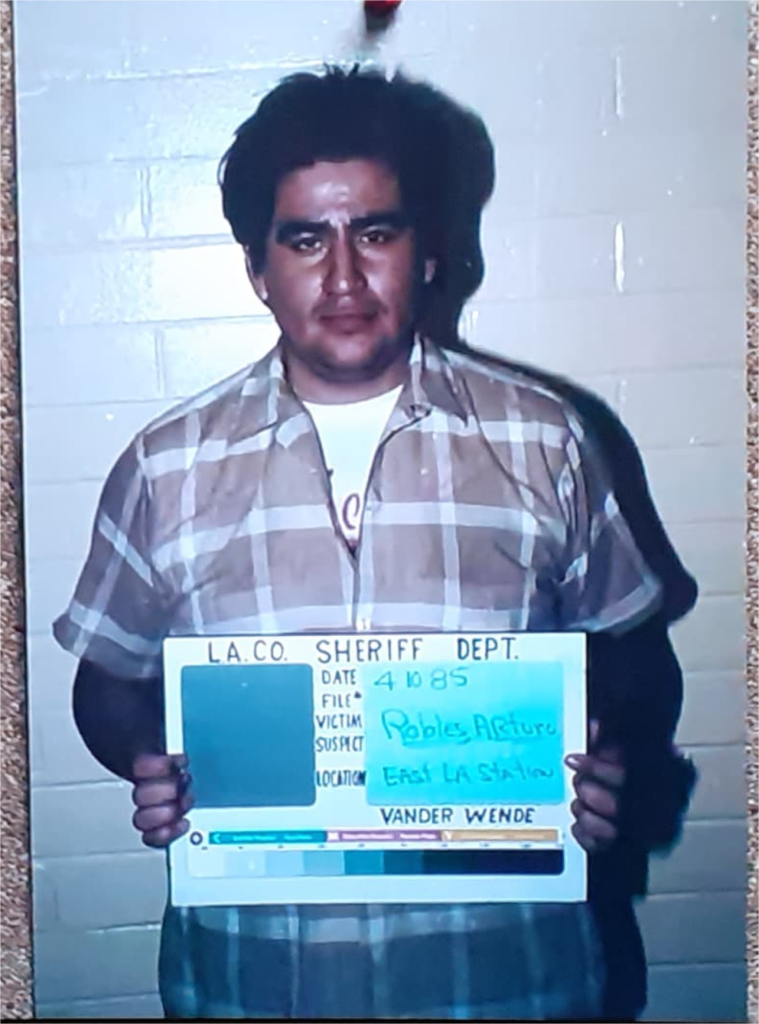
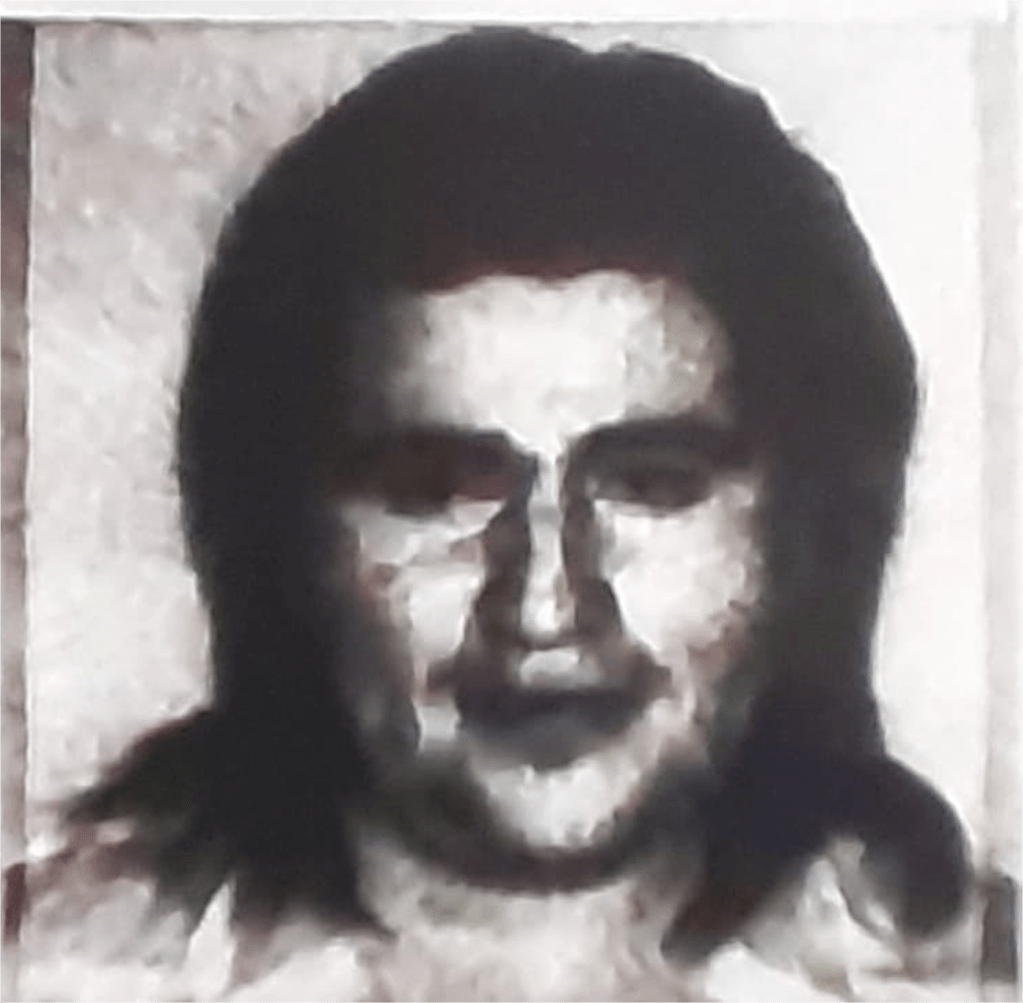
Arturo Robles was accused of stalking young women – Carrillo claims they were minors – and his house was raided. Police discovered he owned a Members Only jacket as well as swathes of pornographic images of women. Detective Carrillo claims there were torn women’s underwear too, but Robles denies this. Indeed, a copy of the search report shown on Netflix does not list them as items found, so there is no evidence for Robles’ underwear slashing hobby. Nevertheless, the police declared that Robles was “a freak, but not your freak” and Hernandez did not recognise him at the line-up. Our book discusses the Arturo Robles aspect in more detail.
Maria Hernandez assisted Deputy Mahlon Coleman to create a drawing of the suspect below.
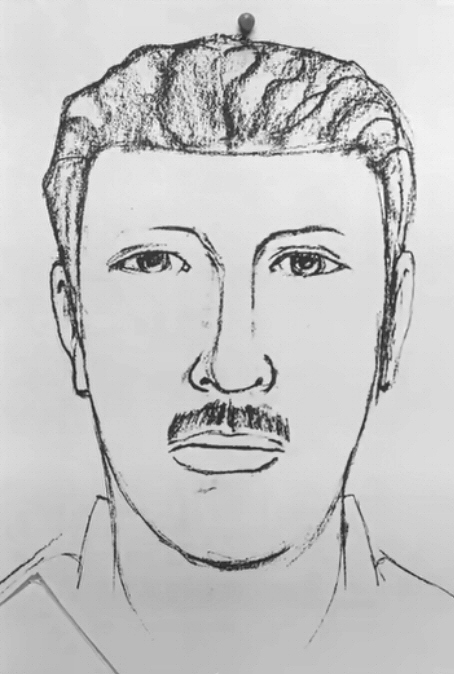
Later, a second sketch was released wearing a cap.
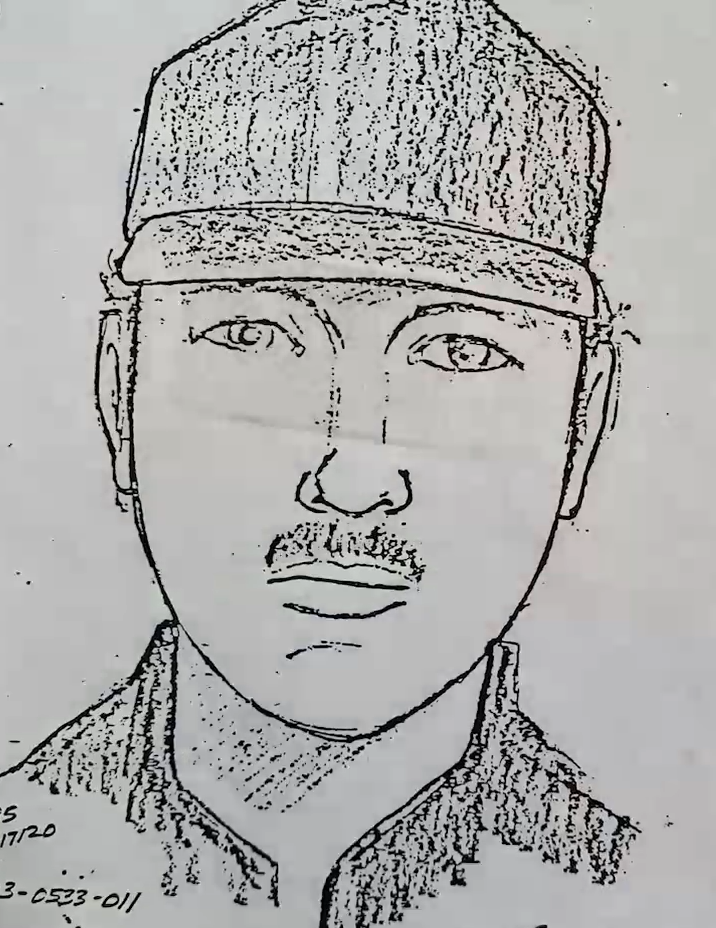
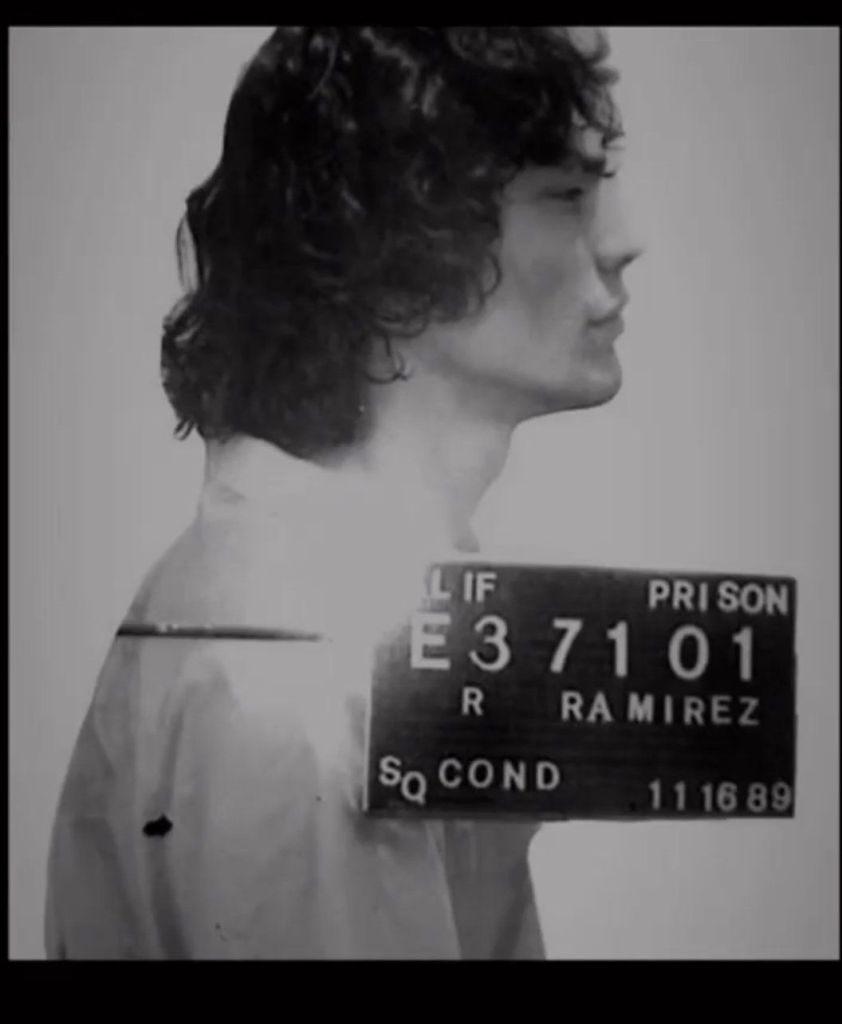
When Ramirez was named as the prime suspect, his face was shown on the news up to five times per day and was displayed on the front page of all the newspapers, complete with a description of him, spreading false information that all the survivors had described the killer this way.
Hernandez attended a live line-up after Ramirez’s arrest. Ramirez was suspect Number Two, and she wrote “2” on her card. However, an officer was filmed holding up two fingers to encourage witnesses to pick Suspect Two. Below is video evidence.
A brief glimpse of Maria Hernandez’s line-up card can be seen on the Netflix documentary. While it is difficult to see, it states, “He had a little beard and moustache when the crime [illegible] but I do feel it was 2.”
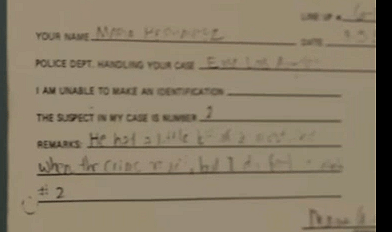
Ramirez’s 2008 appeal revealed that Hernandez admitted to Detective Carrillo that she did not recognise Ramirez from his 1984 mugshot that was shown in the media.
“Hernandez told Carrillo after the September 5, 1985 live line-up that when she first saw Petitioner on the news he did not look like the suspect.”
– Habeas Corpus, pg. 128.
At the 1986 preliminary hearing, Maria Hernandez admitted that she saw the television reports and newspapers and discussed the case with friends and family, including on the day before Ramirez was arrested. She did not associate ‘Richard the Night Stalker’ with her own attacker. She did not recognise Ramirez as her attacker when she saw his mugshot.
However, at the trial, she claimed she could not remember saying this at the hearing.
“At trial, Maria Hernandez did not recall stating at the preliminary examination that Petitioner did not look like the composite drawing she helped to prepare. The picture of Petitioner that she first saw on television did not look familiar.”
– Federal Habeas Corpus petition 2008, pg. 49.
According to news report transcripts, Ramirez’s defence raised the evidence that the line-up was rigged with the officer signalling them to choose Ramirez, but this was dismissed because Hernandez had identified him.
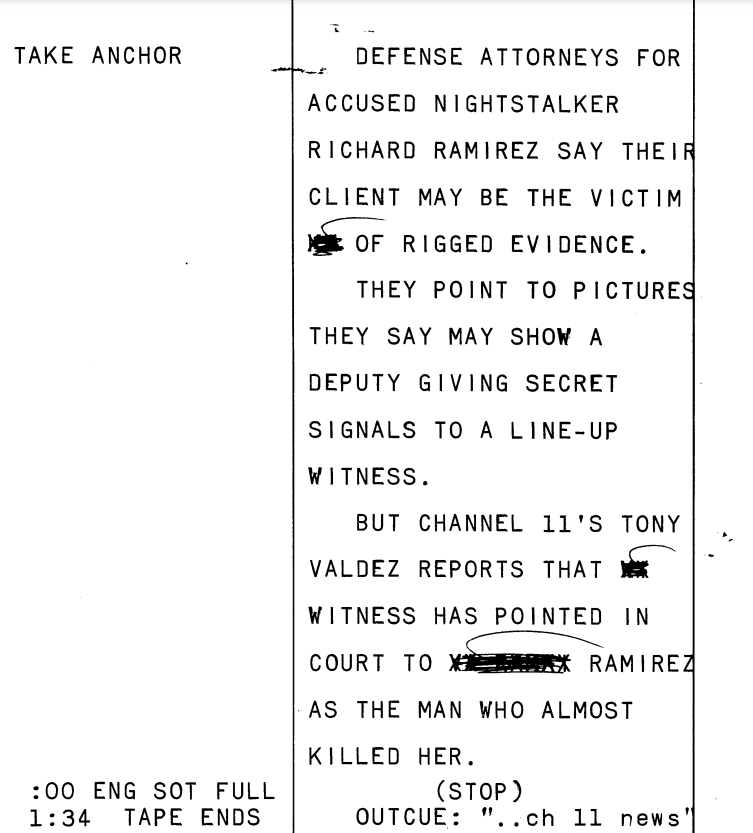
At the pre-trial hearing in April 1987, Maria Hernandez identified Ramirez for the third time. However, she admitted she relied on seeing his face in person at the court, because she could not identify him from memory.
Ramirez’s defence attorneys failed to cross-examine Maria Hernandez for her weak witness identification, and the fact that she identified Ramirez regardless. They should have questioned how much the media had influenced her, her state of mind – shock distorts memory and perception. They should have highlighted the poor viewing conditions – she only saw him for two seconds in the garage and the second time she saw him it was outside in the dark.
In cases that involve witness identification, the defence should bring a psychologist as an expert witness, who will inform the jury of the factors that can negatively affect the victim’s perception and memory. They retained the estemed expert, Dr Elizabeth Loftus, but failed to brief her on the specifics of each case. The result was that the jury was bored – it was too academic and irrelevant.
“However, the defence failed to competently establish that Hernandez’s eyewitness testimony was unreliable. In closing argument trial counsel weakly observed: “Hernandez’s identification of Petitioner was of insufficient certainty to tie him to the crime.”
– Habeas Corpus, pg. 419.
Thus, Hernandez’s ID of Ramirez was inconsistent, influenced, and undermined by both her own doubts and police conduct.
Forensic Evidence at the Crime Scene
Fingerprints that did not belong to Ramirez were found at the scene. During the 1986 hearings, news report transcripts state that Detective Carrillo, while under cross-examination, “reluctantly conceded” that the prints were not his. From Document 19.13:
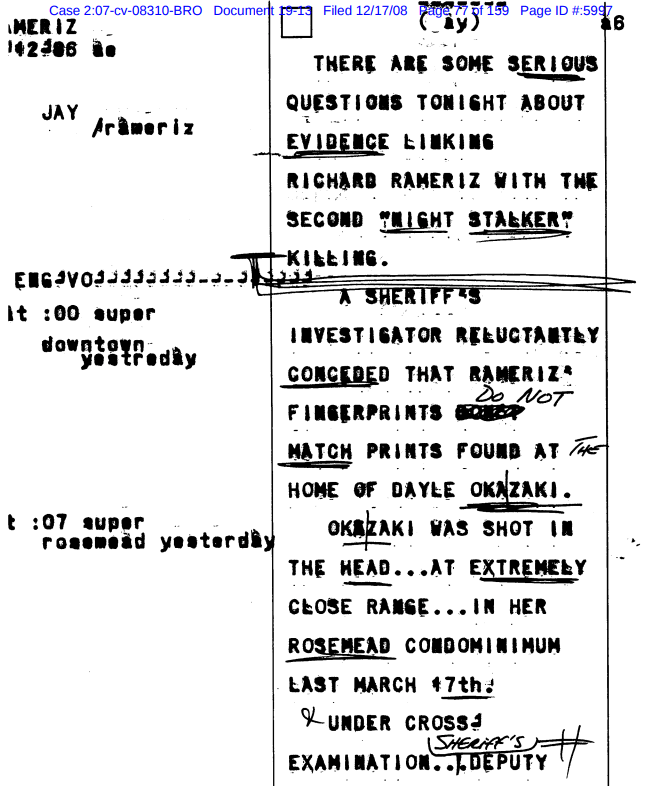
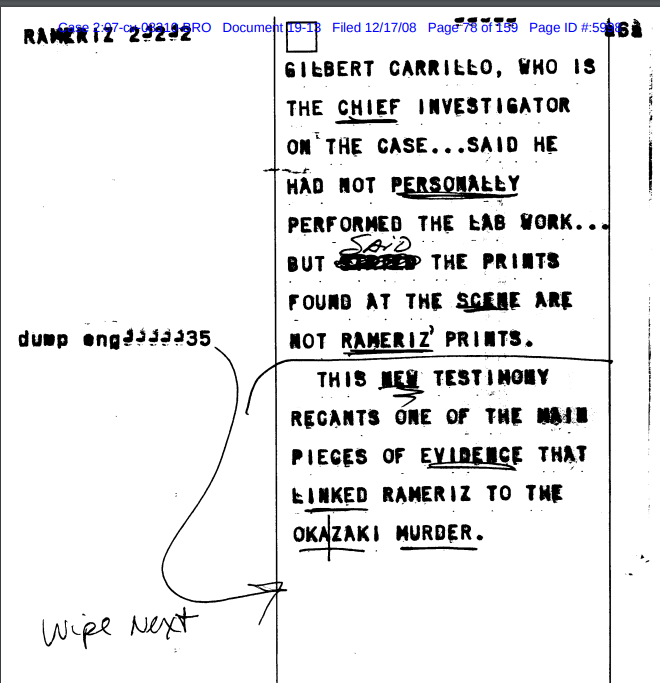
Note that in the second news transcript, it says “wipe next.” Could this be evidence that the news media was deliberately downplaying the fact that no evidence could conclusively tie Ramirez to that crime scene?
Firearms Evidence:
The prosecution presented weak ballistics evidence. In March 1985, the first firearms expert, Sergeant Robert Christansen, could not confirm that the same weapon was used in the Yu incident on the same night. This is because the bullets were between 60% and 75% mutilation.

From Habeas Corpus document 7.20 By the time of Ramirez’s arrest, Christansen changed his mind but does not explain why. From the affdavit, Habeas Corpus Document 7.4:

In August, a second firearms expert, Sergeant Robert Hawkins, concluded that not only did the Okazaki bullets match Yu, but also the Kneiding murders on 20th July. (Habeas Corpus document 7.20).
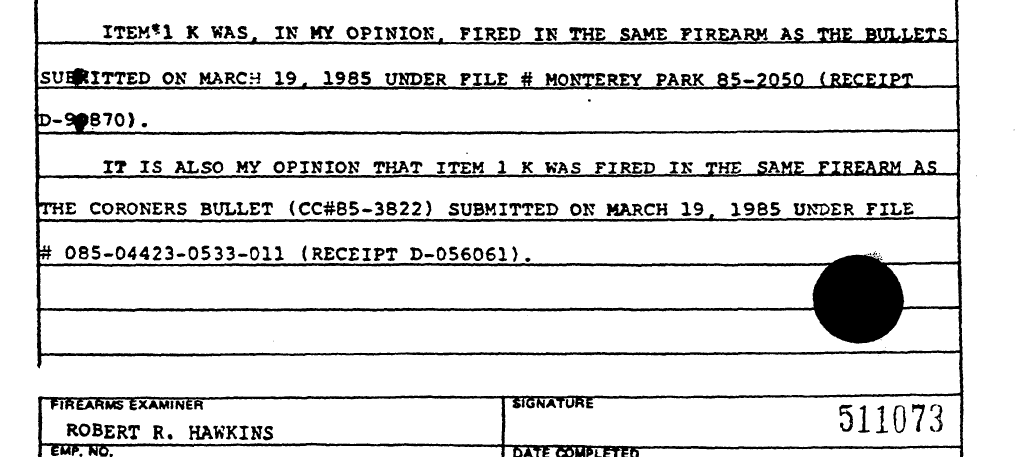
Hawkins is referring to the Okazaki murder and Tsai-Lian Yu’s murder on the same night. The problem was, Christansen and Hawkins listed different brands of revolver as the potential murder weapons. Furthermore, Christansen originally believed the Kneidings were killed with a .25 ACP pistol and not a .22 long rifle revolver, the assumed weapon in the Okazaki crime.
Ultimately, the prosecution used a different firearms examiner, Edward Robinson, who claimed – without demonstrating how – that Okazaki, Yu and the Kneidings were killed using the same .22 calibre revolver, supporting Hawkins over Christansen. However, the murder weapon was never recovered from any of these three crimes. This means it was impossible to accurately test fire bullets. How can they be too distorted to make meaningful comparison on minute and conclusive proof the next?
Ramirez’s defence managed to contact their own firearms expert, Paul Dougherty but neglected to communicate with him thereafter.
Worse, they conceded the prosecution’s evidence: “you have to assume their evidence is correct.” When contacted by Ramirez’s appeals team, Paul Dougherty’s verdict was that the ballistics needed retesting.
“In 1986, I was hired by attorney Daniel Hernandez to conduct examination of ballistics evidence in the Los Angeles case … However, my work was terminated because counsel failed to communicate with me I requested to be provide with the physical evidence, or that counsel made arrangements for me to view the evidence at the sheriff’s lab. As a result, I was unable to reach any conclusions or findings about the evidence.”
– Declaration of Paul Dougherty, Document 7.20.
The Hat:
The AC/DC cap found just inside the garage was thought to have fallen off the gunman’s head as he bent down to enter. Richard Ramirez was a fan of AC/DC and may have owned an AC/DC cap at some point – according to associates – but it was never established when they last saw him wearing it. Neither the defence nor prosecution had the hat tested for PGM markers in sweat. Brian Wraxhall, the defence’s special master, never received it in the evidence box in time for the trial.
The AC/DC link was sensationalised by the media who were under the grip of a moral panic related to Satanism – references to it were believed to be in rock music. However, Ramirez could not have been the only AC/DC fan in Los Angeles, and it must remain as circumstantial evidence – especially as the suspect did not even look like him. A month after Ramirez was arrested, a woman in Orange County was shot in her home by a man in an AC/DC cap.
Prosecutor Halpin and His Bad Faith Arguments
In a desperate attempt to connect Dayle Okazaki’s murder to other Night Stalker crimes, and to establish a modus operandi for the random and varied nature of the attacks, the prosecutor, Philip Halpin, argued that this was a burglary, despite nothing having been stolen. More accurately, Halpin claimed this was a failed burglary; that Ramirez had intended to burgle but was disrupted.
However, he neglected to establish the perpetrator’s intent or how he was disrupted; he obviously was not disrupted by Maria Hernandez arriving in the garage – he made no attempt to escape after being caught, shot her and left her for dead, before continuing upstairs to shoot her housemate. If the killer’s intent was burglary, he could have continued after murdering Dayle Okazaki, but he left immediately, carrying nothing but the murder weapon – Hernandez saw him.
The case against Richard Ramirez in the attack on Maria Hernandez and murder of Dayle Okazaki was built on shaky ground. Eyewitness identification was inconsistent and potentially influenced by media saturation and suggestive police tactics. Physical evidence, such as fingerprints and ballistics, failed to conclusively link Ramirez to the crime scene. Prosecutors made speculative claims about motive, while the defence failed to challenge flawed evidence and witness testimony with sufficient rigour. This was a grave miscarriage of justice.
1st Oct 2022
-
Who Defends The Undefended? Part One.
*Images may require viewing via a desktop for clarity*
Unqualified to defend a case of such magnitude.
“It is nothing you would understand, but I do have something to say. In fact, I have a lot to say, but now is not the time or the place. I don’t even know why I am wasting my breath, but what the hell. As for what is said of my life, there have been lies in the past and there will be lies in the future..”
Richard Ramirez
You think you know a story? To understand the ending you must go back to the beginning.
The right to a fair and unbiased trial and competent assistance of counsel “is one of the safeguards of the Sixth Amendment deemed necessary to ensure fundamental human rights of life and liberty”.

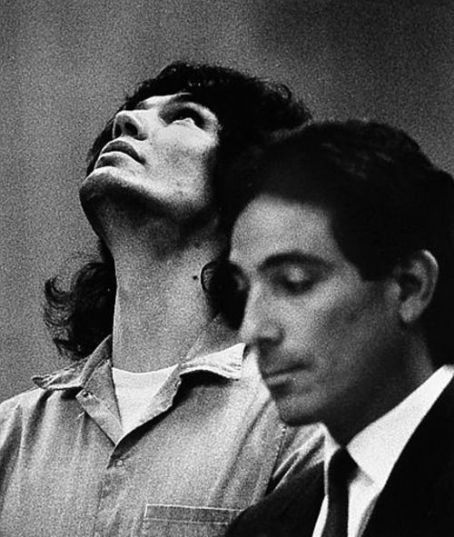
Richard Ramirez, September 1985. Photo: Paul Chin, Herald Examiner. From the LA Public Library. Just because a person, who happens to be a lawyer, stands alongside the accused, however, this alone is not enough to satisfy the constitution. A defendant is entitled to an attorney, whether retained or appointed, who plays the role necessary to ensure that a trial is fair. Every criminal defendant, no matter who, not matter the crime, is required in law to have competent counsel.
This is what we are told but in the case of Richard Ramirez, that simply didn’t happen. Instead, what happened was unconstitutional and completely unethical.
“Now I am calling this hearing, Mr Ramirez, to tell you that I reluctantly have to tell you that in my opinion your lawyers are incompetent. Now, I have had this case for six months and I must say that I am convinced that your lawyers are nice guys, good company, maybe good fellows to spend an evening with. I am also convinced they are dedicated to your defence emotionally. But I must tell you that in my opinion they are not competent to handle your case. I don’t think they have sufficient experience in law. I don’t think they have the staffing, if you will, or whatever, to do the job. I am telling you now.. I don’t think they know the law well enough, they are not ready to present the evidence and push it through. I am just telling you this because I have no personal axe to grind at all, I simply want to see that whatever happens in this case is done right and you get your rights protected, that whatever conclusion is reached is right. And I am telling you now that your rights are not being protected”.
From the Writ of Habeas Corpus. Judge Morrow during a closed session. Sealed recorded transcript, 6th January 1987, page 228 of 764.

From the Writ of Habeas Corpus, page 197.
This subject, the incompetence of his defence, will be broken down into different parts, where it will be shown how Richard Ramirez was systematically failed from the start. His defence counsel, ill-prepared, highly inadequate and unqualified to handle a case of this magnitude, failed to establish his mental competence, which will be covered in detail in an upcoming article. Although, at this point, it should be understood that Richard had cognitive impairment, which rendered him incapable of assisting in his own defence, to waive his rights and being fully engaged and aware of what was happening to him. Arturo and Daniel Hernandez failed to refute or challenge any charges against him. They later more or less abandoned him once they realised they were way out of their depth, leaving him virtually undefended in a trial that could cost him his life.
No matter what you “think” you know, have seen on Netflix or read on Twitter, the truth has been buried as more sensationalised stories emerge, as careers are built and money made. Expendable for a cause..

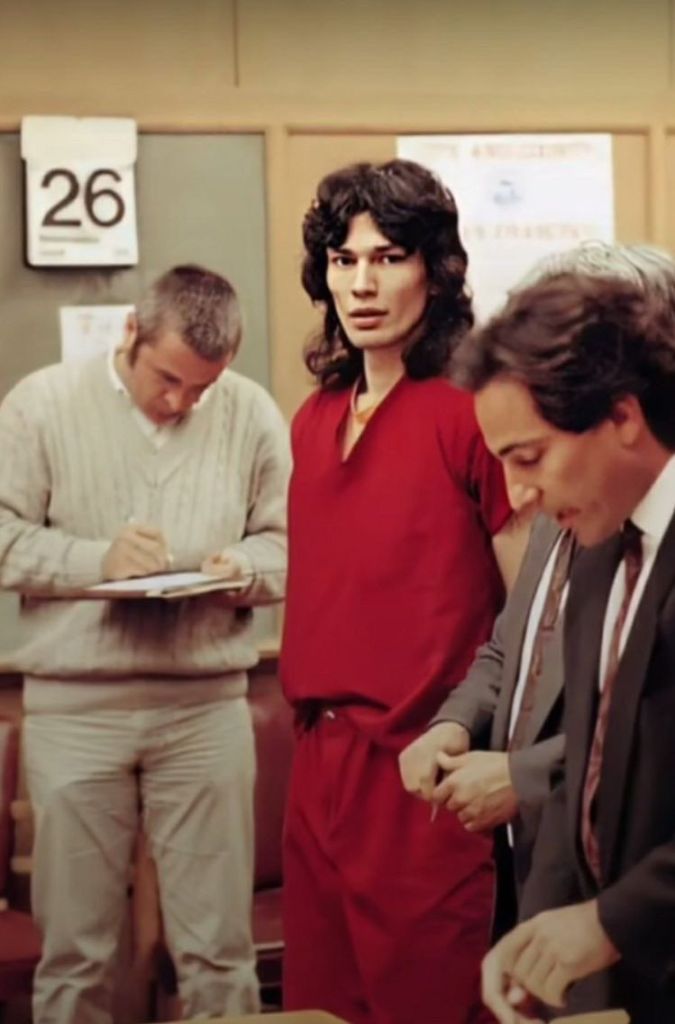
January 1989 “Richard Ramirez enters court nattily dressed”. Words from the Herald Examiner.
Alan Adashek, a lawyer attached to the Public Defender’s Office had been assigned to Richard shortly after his arrest, however they soon came into conflict, as Richard felt that anyone attached to the court could not have his best interests at heart. Subsequently, a new lawyer, Joseph Gallegos, was appointed by the court, appearing on Richard’s behalf on October 9th, 1985.
After discovering that the newly retained attorney, Gallegos, had been tried for the assault and attempted murder of a prostitute (a judge later reduced the charges, leading to the guilty verdict set aside) Richard’s sister, Rosario, found two new lawyers, who she hoped would replace him. Enter Daniel and Arturo Hernandez, no relation to each other.
That these two were nowhere near qualified or experienced enough to undertake a case of such notoriety and complexity is an understatement!

Habeas Corpus, page 197. Sealed court transcript of October 22nd, 1985 
Habeas Corpus, page 197, sealed transcript of October 22nd, 1985
It’s utterly inconceivable that the trial court actually allowed these two to take Richard’s case, having already acknowledged the court’s responsibility to ensure a defendant’s rights to an effective counsel were protected and yet permitted the substitution of unqualified counsel.

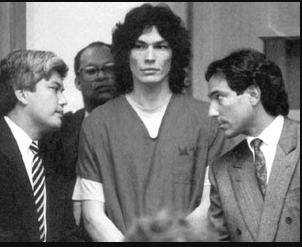
Richard with Daniel and Arturo Hernandez during an open court session on October 22nd, 1985. Picture from the LA Public Library In October, 1985, at an open court hearing, Judge Soper informed the Hernandez’s that the state wouldn’t be funding them as they didn’t meet the state’s minimum criteria to qualify their being appointed to counsel for defence by the court. Under the Bar Plan an attorney must have practiced law for ten years, at least, and have been counsel of record in forty trials minimum, three of which must be murder trials. They must also have tried at least one murder trial to a jury.
The Ramirez family were of limited means and lawyers expensive. Already there were hopes of book and movie deals about Richard coming their way, and Richard had signed over any rights to such deals to his sister. She had promised to pay the Hernandez’s from any proceeds.

A conflict of interest – Habeas Corpus, page 217
Neither Daniel or Arturo Hernandez had even half of what was required by the state of California and yet they were not dismissed, as under state law, the accused has the right to choose their own counsel, and Richard, encouraged by his sister, chose the Hernandezes. Although Richard’s competence to be able to choose his own counsel had been raised by a concerned Joseph Gallegos, this was dismissed. Motion denied.

Habeas Corpus, page 217

Richard Ramirez with Daniel Hernandez and Richard Salinas (paralegal), who effectively replaced Arturo Hernandez, after he had more or less abandoned the case mid trial. From the Herald Examiner Collection.
A floundering defence..
Way out of their depth, strapped for cash and displaying a mind-boggling lack of integrity, professionalism and without due care for their client, and struggling to challenge the charges against him, Richard had been left practically undefended. (An example of which can be seen in THIS post) With Arturo ceasing to even attend court, being fined for being held in contempt, for saying he was attending his brother’s funeral, whilst in fact, he was on honeymoon in Europe, the trial was fast descending into the realms of the ridiculous and should have been stopped. The fact that Judge Michael Tynan saw no such need, further underlines the farcical nature of the proceedings.
One example of unprofessional behaviour was defence counsel leaking a cartoon drawn by Richard of Phil Halpin, counsel for prosecution, to the press. This inflamed and already biased media, who had demonised Richard on an almost daily basis for months and further polluted the jury, who were non sequestered. One juror commented on how much the drawing angered her and made it impossible for her to remain neutral. Well played defence!

Habeas Corpus, page 205. Richard’s defence unwittingly contributing to jury bias. 
The cartoon of Prosecutor Halpin drawn by Ramirez.

Habeas Corpus, page 205. Ramirez is abandoned after lunch.
With Arturo “missing in action” for most of the time and Daniel increasingly under strain, suffering bouts of ill health (and vanishing after lunch.) the court appointed Ray Clark to assist the defence. He had his own conflict of interest, where he was paying Daniel Hernandez 30% of the money, he was earning from his court appointment to the trial and felt beholden to Daniel for bringing him onto the case. Because of this, he did not seek to change the clearly deficient and inadequate strategy employed by the Henandezes. This will be further examined in PART TWO.

Habeas Corpus, page 199
Their utter incompetence, conflicted interests, absences at crucial moments, meant they failed in their duty to provide a viable defence. Add to that Arturo’s jail time, the collective failure to challenge prosecution or to seek investigation into their client’s mental health, means that they, alongside Judge Tynan, who although fully aware of what was going on allowed this to continue, they, must also bear responsibility in denying Richard a fair, unbiased trial and due process.

American Bar Association Guidelines for the Appointment and Performance of Counsel in Death Penalty Cases
1989 – a copy can be found in document 7-3
(Note: This version has been superseded by a February 2003 revision)
Miscarriage of justice. Habeas Corpus, page 211
Everyone, no matter who, no matter the circumstances, is entitled to have their rights protected under law and access to a qualified and competent defence. These rights were denied to Richard Ramirez.
In this, part one, I have only covered a small part of a series of failings leading to the railroading of Richard Ramirez. In part two, I shall discuss more horrendous failings from possibly the worst defence counsel in history, and how a conflict of interest further jeopardised any chance he had of receiving a fair trial.
You think you know a story? Think again!

February 25th, 1986. Herald Examiner Collection. “The strictest law sometimes becomes the severest injustice”
Benjamin Franklin~ Jay ~



 Expendable For A Cause.
You must be logged in to post a comment.