
“The world has been fed many lies about me..”
Richard Ramírez
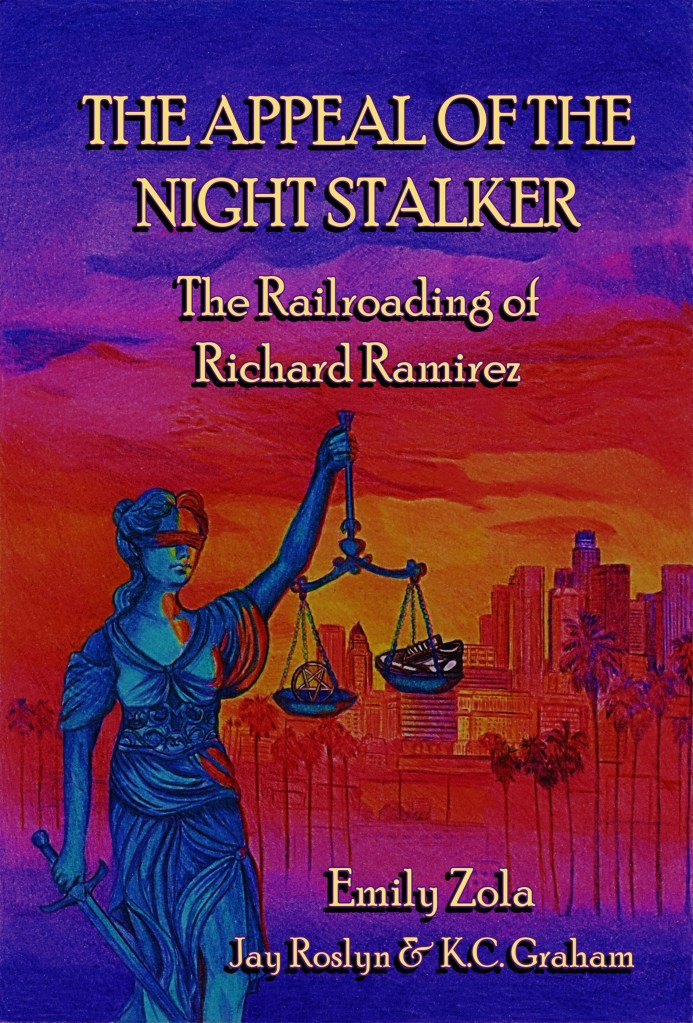
Now available, the book: The Appeal of the Night Stalker: The Railroading of Richard Ramirez.
Welcome to our blog.
This analysis examines the life and trial of Richard Ramirez, also known as The Night Stalker. Our research draws upon a wide range of materials, including evidentiary documentation, eyewitness accounts, crime reports, federal court petitions, expert testimony, medical records, psychiatric evaluations, and other relevant sources as deemed appropriate.
For the first time, this case has been thoroughly deconstructed and re-examined. With authorised access to the Los Angeles case files, our team incorporated these findings to present a comprehensive overview of the case.
The Writ of Habeas Corpus
The literal meaning of habeas corpus is “you should have the body”—that is, the judge or court should (and must) have any person who is being detained brought forward so that the legality of that person’s detention can be assessed. In United States law, habeas corpus ad subjiciendum (the full name of what habeas corpus typically refers to) is also called “the Great Writ,” and it is not about a person’s guilt or innocence, but about whether custody of that person is lawful under the U.S. Constitution. Common grounds for relief under habeas corpus—”relief” in this case being a release from custody—include a conviction based on illegally obtained or falsified evidence; a denial of effective assistance of counsel; or a conviction by a jury that was improperly selected and impanelled.
All of those things can be seen within this writ.
The Writ of Habeas Corpus is not a given right, unlike review on direct appeal, it is not automatic.
What happened was a violation of constitutional rights, under the 5th, 6th, 8th and 14th Amendments.
Demonised, sexualised and monetised.
After all, we are all expendable for a cause.
- ATROCIOUS ATTORNEYS (4)
- “THIS TRIAL IS A JOKE!” (8)
- CONSTITUTIONAL VIOLATIONS (9)
- DEATH ROW (3)
- DEFENCE DISASTER (7)
- INFORMANTS (6)
- IT'S RELEVANT (17)
- LOOSE ENDS (15)
- ORANGE COUNTY (3)
- POOR EVIDENCE (16)
- RICHARD'S BACKGROUND (7)
- SNARK (12)
- THE BOOK (4)
- THE LOS ANGELES CRIMES (22)
- THE PSYCH REPORTS (14)
- THE SAN FRANCISCO CRIMES (5)
- Uncategorized (5)
-
You, the Jury
Questioning
The word “occult” comes from the Latin “occultus”. Ironically, the trial of an infamous occultist and Satanist is the epitome of the meaning of the word itself: clandestine, secret; hidden.
We’ve written many words; a story needed to be told, and we created this place to enable us to do just that.
Here, in this space, we intended to present the defence omitted at Richard Ramirez’s trial in violation of his constitutional rights. Our investigations have taken us down roads we’d rather not travel along, but as we did so, we realised that there was so much hidden we could search for a lifetime and still not see the end of it. Once we’d started, there was no turning back; we followed wherever it led.This was never about proving innocence; that was never the intent or purpose. We wanted to begin a dialogue, allowing this information to be freely discussed and for us to verbalise the rarely asked questions. We asked, and we’re still asking.
We can’t tell you, the reader, what to think; you must come to your own conclusions, as we did.
And so
We’ve said what we came here to say; with 114 articles and supporting documents, we’ve said as much as we can at this point.
This blog will stand as a record of that, and although we will still be here, we intend to only update if we find new information, if we suddenly remember something we haven’t previously covered, or to “tidy up” existing articles and examine any new claims (or expose outrageous lies) that come to light. The site will be maintained, and we’ll be around to answer any comments or questions.
What Next?
We will focus on the book being worked on; we’ve also been invited to participate in a podcast. When we have dates for those, we’ll update you.
The defence rests? Somehow, I sincerely doubt that; ultimately, we’re all “expendable for a cause”.
~ J, V and K ~
-
One Year
7th June 2023
This blog went live one year ago today, and I am sure some of you will realise the date’s significance.
We’ve been overwhelmed by the numbers reading our articles and reached a substantial milestone overnight.
We have already stated why it was started, so I need not repeat that, but we wanted to write a short post to thank all of you who have taken the time to read and subscribe; we appreciate it and have been so happy to talk to those of you who have reached out to us.We are not particularly active on social media; we don’t have a Twitter account dedicated to the site, and have never sought to get “out there”, and that’s how we will continue; we’re not interested in the circus that still surrounds this case; we never were. We want to tell another side of a story, and that’s it.
As Richard said, “We are all expendable for a cause”.
With our thanks, once again.J,V and K
-
Shapeshifter
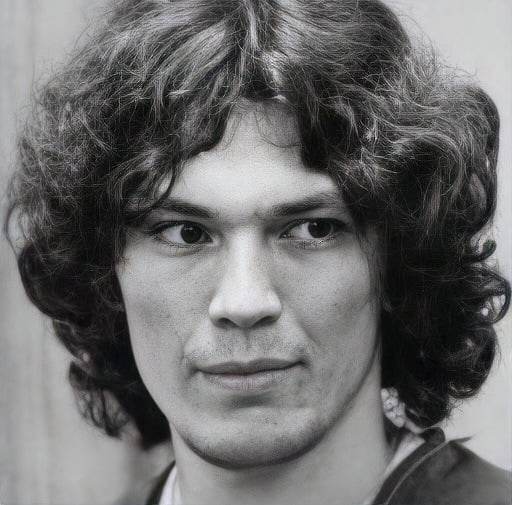
When Reasonable Questioning Gets Shut Down.
* Images may require a desktop for greater clarity *
So many “true crime” podcasts and channels are available to us; a brief scan of my YouTube account reveals countless lists. Checking out the episodes dedicated to Ramirez, you will notice one recurring thing; they are all the same. It is the familiar regurgitated theme, the repetitive stories, and the way that no one asks questions, not important ones.
Many of them feature a well-known person associated with the case doing the rounds, the same old routine, while the podcast interviewer seems shocked at what they are hearing, and largesse and bonhomie are the names of the game.Is it an interview, though? No pertinent questions are forthcoming, and none pick up on any inconsistencies.
Indeed, if you are setting yourself up as a true crime expert, research the case you want to discuss.Research it properly, not do a quick Google search, a flick through the Carlo book (where fiction is rife). Perhaps a binge-watch of the Netflix shop of horrors, Night Stalker – The Hunt for a Serial Killer, suffices?
The podcast host punctuates the monologue in varying tones of “Oh wow!” And “Really?” but there is no substance.Occasionally, the wise and all-knowing “There’s this thing called hybristophilia..” is wheeled out. That is ridiculous because the crimes sexually attract those with the mental illness known as hybristophilia; in other words, they want Ramirez to be as guilty as hell; you take away their paraphilia at your own risk. So no, people who ask questions about this trial are not always driven by any sexual fetish.
We hear about the Avias, of course, and sometimes the model number is wrong, going against what the Crime Lab criminalist testified to at the trial. Considering the unbelievable Avia story connected to some of the crimes, you would hope they’d at least try to get it right.
If you, as a viewer of these crime-fest interviews, ask a question in the comment section, and the question deviates from the accepted trope, three things happen.
- Your comment has been deleted.
- The podcaster doesn’t know the answer and does not attempt to answer.
- The podcaster says, “So you’re saying he’s innocent”.
The third scenario is the go-to response, even if your question does not concern Richard’s innocence.
I can give an example of that. Someone I know dared to put a question to the true crime expert who was hosting the interview. They asked about the newspaper reports and police comments regarding child abductions in March 1985. They backed up the question with links regarding the short, blonde man, described independently by the children concerned and an adult witness. Rather than admit he didn’t know, his response was testy, “So you think he’s innocent of all the crimes?” A nonsensical reaction from someone who had no clue about the nuances of this case. Or if they did, they were not going to discuss that.
One can imagine that the unsavoury image of the coaching of victims and eyewitnesses is rather unpalatable for some, but open wide and swallow it down.
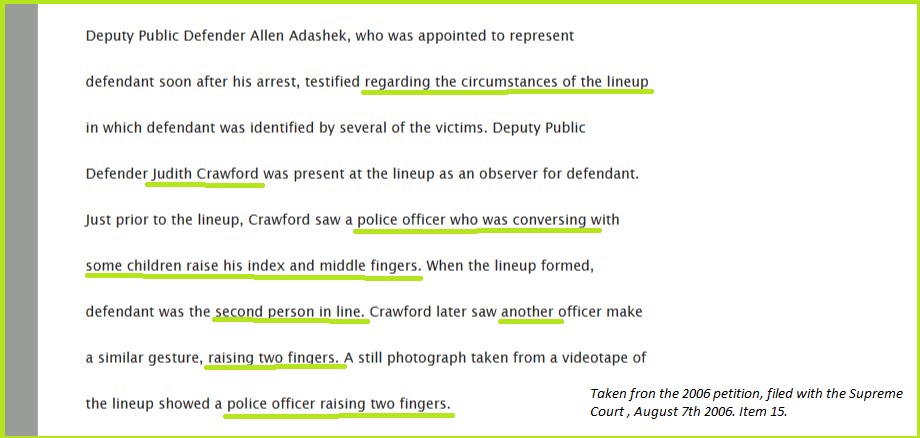
Just for a change, this is from the 2006 petition.
Deputy Public Defender Judy Crawford, who was attending the charade of a line-up on behalf of Allen Adashek, the public defender briefly assigned to Richard, witnessed a police officer talking to the children present whilst holding up two fingers in precisely the same way as other officers were seen doing to the assembled audience. Richard, as we know, stood in place number two. You do not have to be a genius to understand what is happening. There is no dewy-eyed rhetoric of victims independently identifying anyone here; public defenders saw it, and photographic evidence proves it.
“The Bad Man is number two, got that?”In an hour long private session in Judge Nelson’s chambers, Ramirez’s attorneys drew attention to the irregularities of the line-up, where according to the news reports, eyewitnesses were not only allowed to confer, they could also hear one another identify Richard, and see the police indicate that number two had been picked. They may has well whistled into the wind for all the good it did.
Maria Hernandez did not testify that day because of the “in camera” hearing, she testified the following Monday.

Monrovia News Post, 9th March 1986. 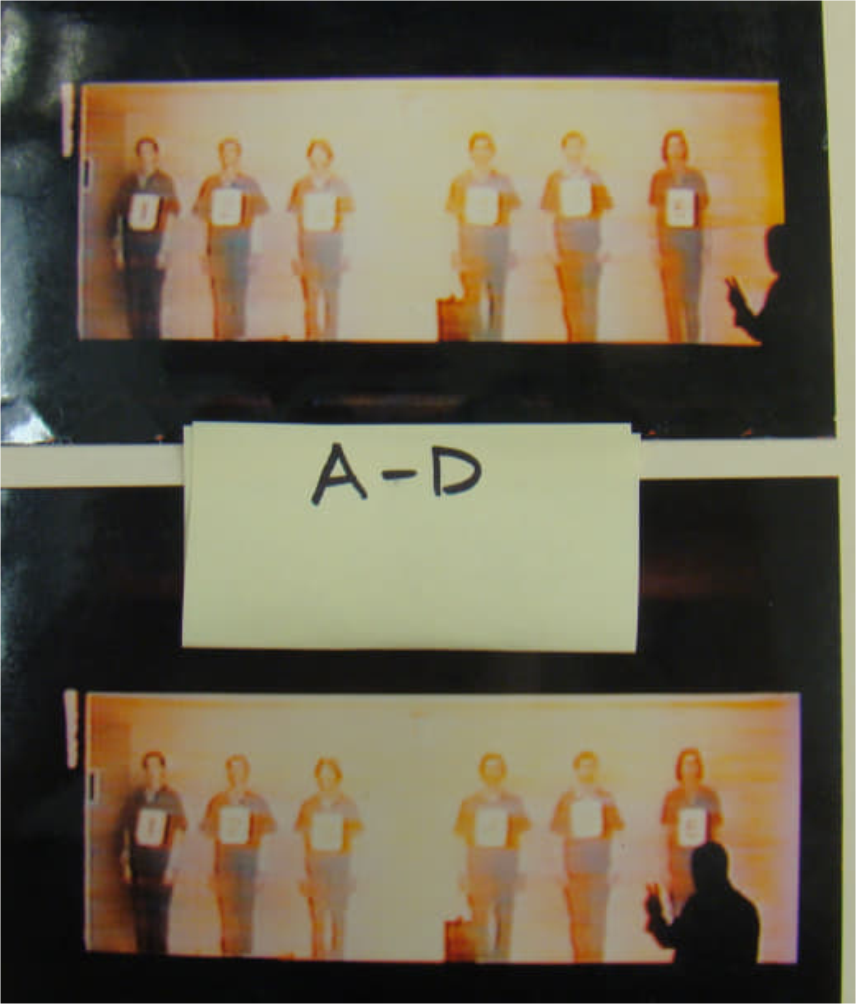
Yes, it’s being posted again. And here’s a video..
A Man of Many Faces
The investigators disregarded all previous descriptions given by these children; of course, they couldn’t all have possibly seen a light-haired man; they were mistaken, and, as law enforcement said, children have a hard time remembering what they’ve seen.
Rather like poor Lillie Doi, whose description of her light brown-haired attacker did not sound remotely like Richard, and accompanying composite drawing never made it into the public arena; the papers declared she was short-sighted. You could bet your life if she recalled a tall, dark-haired, young Hispanic; her eyesight and recollections would have been satisfactory.

Maria Hernandez, who, after getting the police artist to draw a man with facial hair, then picked out another man from suspect photos shown to her; who, after not recognising Ramirez as the man who attacked her and killed her friend, after she’d seen him on TV, suddenly and inexplicably picked him out of the line-up. Adding on her witness card that although he had a “little beard and moustache” on the night of the crime, “I feel it’s two”.
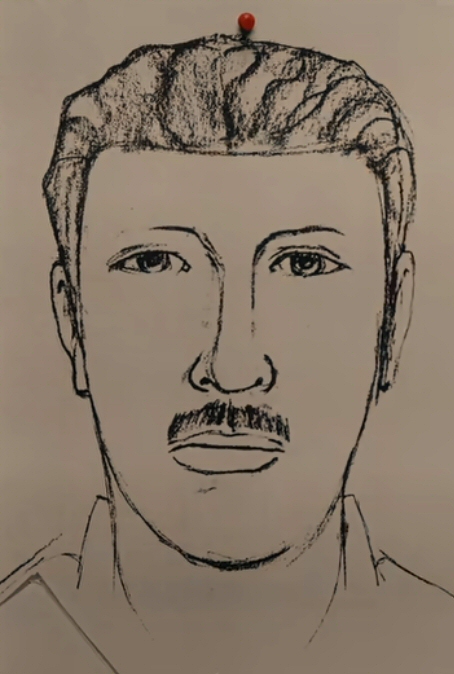
Oh..
From that, one must assume the Night Stalker had a quick shave before the murder of Tsai-Lian Yu, which happened minutes afterwards; eyewitnesses at this incident talked of a short Asian man, approximately 5ft7, but there was no mention of any beard or moustache.
It may interest you to know that another victim, Sophie Dickman, also picked out a photograph of the SAME man Maria had chosen, and who also did not recognise Richard as her attacker even after seeing him on TV and in the papers, which is hardly surprising, as Sophie twice told investigators that the man who attacked her was 5ft 8. Strangely, she somehow managed to identify Richard from his position of number two. Or Sakina Abowath’s descriptions which curiously morphed from a blondish-haired man to light brown and then just brown.
Richard Ramirez, described as blonde, dark, short, tall, Asian, white, shaggy-haired, curly-haired, hair combed back, must have been a shapeshifter of epic proportions. He is everyone and no one. Should I mention the straight, white teeth, too?
It is disturbing to realise that because of corrupt procedures, and atrocious defence lawyers, there will forever be a question mark hanging over this case, and no number of public appearances will take that away. The questions will remain; one can hold up the mirror, but the reflection we seek will never be there. It is a landscape of shadows and doubt.
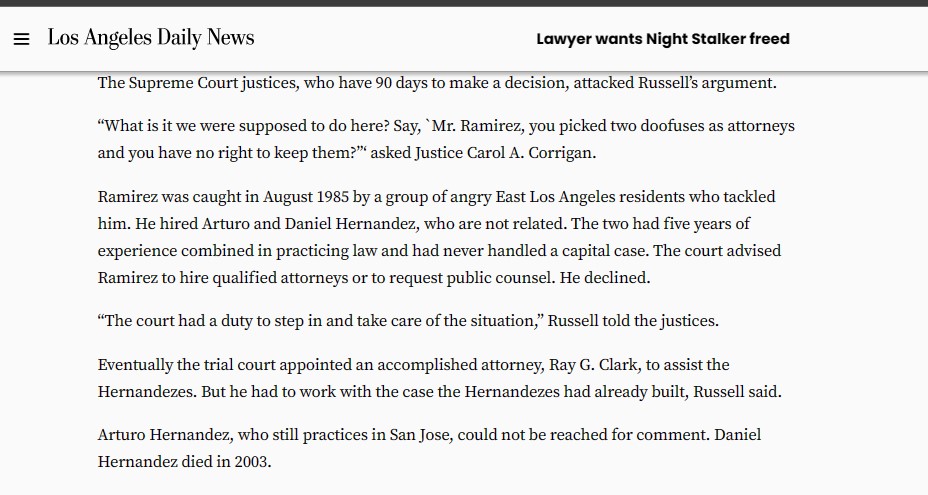
When the Supreme Court blamed Ramirez for having “two doofuses” for lawyers. Most unhelpful. The 2006 appeal was denied.
You are not allowed to ask questions, don’t stray from the narrative, ok?
However, if you do ask, drop them some links:
8-Year-Old Girl Kidnaped, Found – Los Angeles Times (latimes.com)
“Very few beings really seek knowledge in this world. Mortal or immortal, few really ask. On the contrary, they try to wring from the unknown the answers they have already shaped in their own minds — justifications, confirmations, forms of consolation without which they can’t go on. To really ask is to open the door to the whirlwind. The answer may annihilate the question and the questioner.”
Anne rice – The Vampire Lestat
Something to ponder perhaps.
~ Jay ~
-
Picking at a Scab – The Blumer Report 1986
* Images may need to be viewed on a desktop for greater clarity*
“I wonder if I can write this history or if on every page there will be some sneaking show of a bitterness I thought long dead. I think myself cured of all spite, but when I touch pen to paper, the hurt of a boy bleeds out with the sea-spawned ink until I suspect each carefully formed black letter scabs over some ancient scarlet wound.”
Robin Hobb – Assassin’s Apprentice.

Richard, post conviction, at a San Francisco hearing.
On January 19th and 20th, 1986, only a few months after Dr William Vicary had seen him, Dietrich Blumer, M.D., neuropsychiatrist, examined Richard Ramirez at trial counsel’s request and found he suffered from temporal lobe disorder.
What, another one? Yes, one more in a long line of psychiatrists coming to the same conclusion, pre-trial and post-conviction.
He reviewed Richard’s elementary and high school reports, TYC custody records, and medical history during his evaluation. He also interviewed three of Richard’s siblings.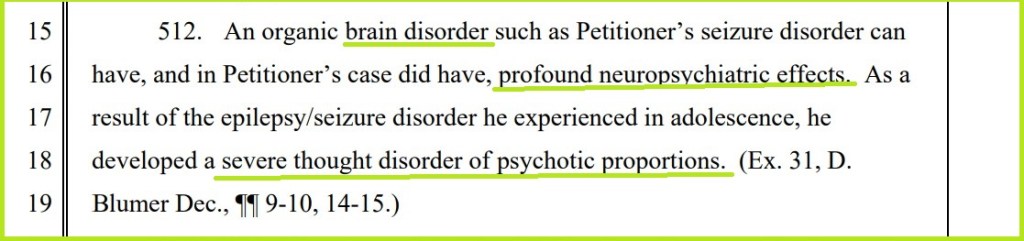
Writ of Habeas Corpus – Declaration of Dietrich Blumer, doc 7-18 Dr Blumer found Richard “guarded and uncooperative” Blumer was probing him about his affiliation with Satanism and naturally found him closed regarding this; he did not want to be judged insane.
He seems particularly interested in the satanic aspect; this could be explained because of Richard’s famous in-court palm flashing of the pentagram on October 24th 1985, during a hearing to establish his change of lawyers. As a neuropsychiatrist, Dr Blumer possibly found that fascinating.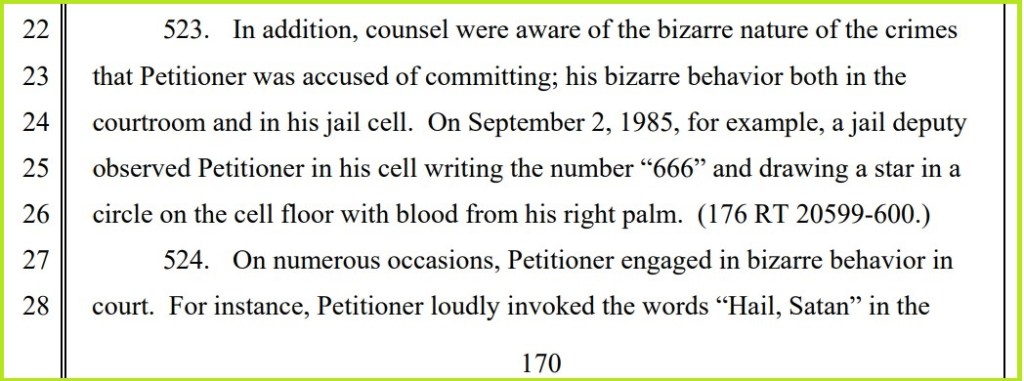
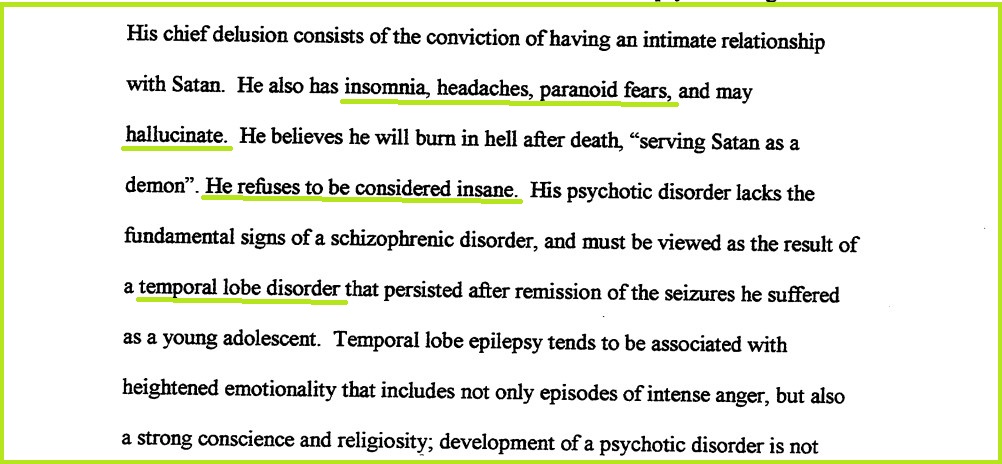
Declaration of Dietrich Blumer, doc 7-18 A man with years of experience and many published books and articles on temporal lobe epilepsy and related neurological conditions, Dr Blumer was well placed to give his recommendations; he had successfully treated many patients and opined that Richard’s condition was treatable with the proper medication. He indicated that Dr Henderson, who had seen Ramirez previously, “would know what needs to be done”.
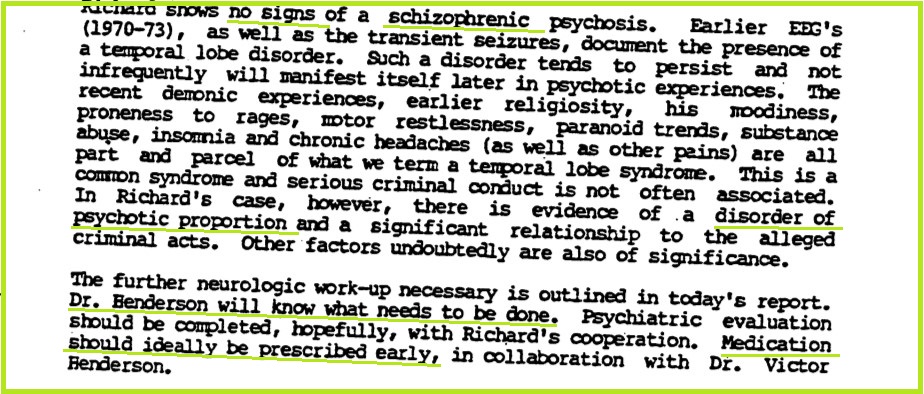
Declaration of Dietrich Blumer – doc 7-18. Recommending a full evaluation in collaboration with Dr Victor Henderson. Richard was not found to be schizophrenic, unlike his cousin, Miguel.
“All of His Life”
“Dr Blumer has stated that Petitioner’s multiple impairments require ‘proper care and treatment for serious, lifelong neuropsychiatric deficits because [of] … debilitating effects of organic brain dysfunction.’ (Ex. 31, D. Blumer, M.D., dec., ¶ 15.) Dr Blumer’s findings establish that Petitioner is permanently afflicted; he will not recover or regain normal functioning. Treatable, in this instance, certainly does not mean curable. Petitioner has been ill for at least thirty-five years and probably all of his life.”
Writ of Habeas Corpus – page 687
The above statement is taken directly from the 2008 Writ of Habeas Corpus, twenty-two years after Dr Blumer’s original report on Richard was made. He was mentally ill, unable to assist in his defence or understand the proceedings against him, yet the world knows nothing of this. It’s been swept aside because labelling him (incorrectly) as a psychopath draws the crowds.
How can anyone watching the minimal court footage available to us honestly think he was “right”? It is beyond all imagining. What is being witnessed there is disassociation, an act, a character given to him by law enforcement, the court and the media. The image he portrayed, the psychopath known as the Night Stalker, had gone beyond Richard’s control, and, as he said, he would not “give them the satisfaction of seeing me down”. His guilt was already presumed, so he gave the media what they wanted.
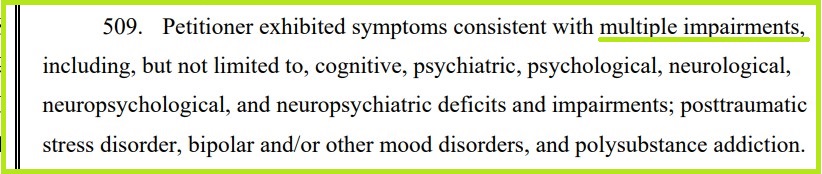
Writ of Habeas Corpus page 166 Richard’s mental state during his arrest was exacerbated by involuntary withdrawal from drugs and being locked up in a cell so tiny that his defence team jokingly called it the “phone booth.” Only it wasn’t a joke. His paranoia made him unable to trust those around him, and his main concern was that he did not want to be considered insane. Only Richard could have fully answered why; we can only take a guess. Pride? Stigma? Or his fear of being committed to a psychiatric hospital.
His psychosis, left untreated, dictated how he reacted to the most stressful situation one can imagine, fuelled by paranoia and his instinct telling him that everyone was “out to get him”. In that, at least, he was correct.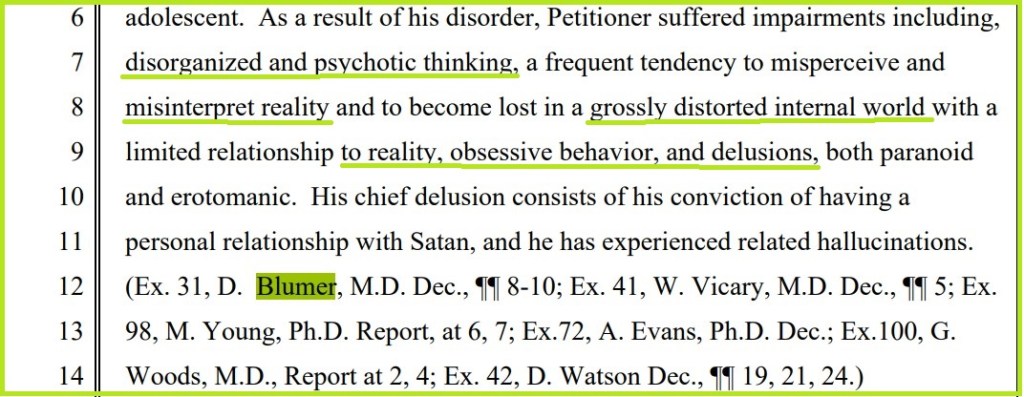

Declaration of Dietrich Blumer – doc 7-18.
His judgement was severely compromised; he could no longer function rationally, was utterly debilitated, and could not discern who (if anyone) was acting in his best interests. No one was. His defence was working in their best interests, trying to fund a defence as the court refused to appoint them because they were not qualified to practise under the Californian Bar Plan. The case they had taken on thinking it was “indefensible” had been discovered to be defensible after all. Still, they didn’t have the experience, competence or money to enable them to rise to the task, which showed. Daniel and Arturo Hernandez did not develop an alternative defence strategy involving Richard’s mental health for reasons we have explained in previous posts concerning his defence counsel. They knew Richard was mentally unwell, but monetary concerns overrode any other action they could and should have taken.
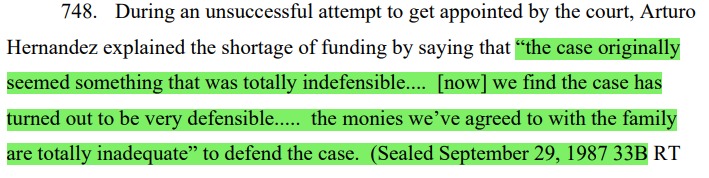
Sealed document, recorded court transcript 29th September 1987

More information on his dodgy lawyers can be found HERE. 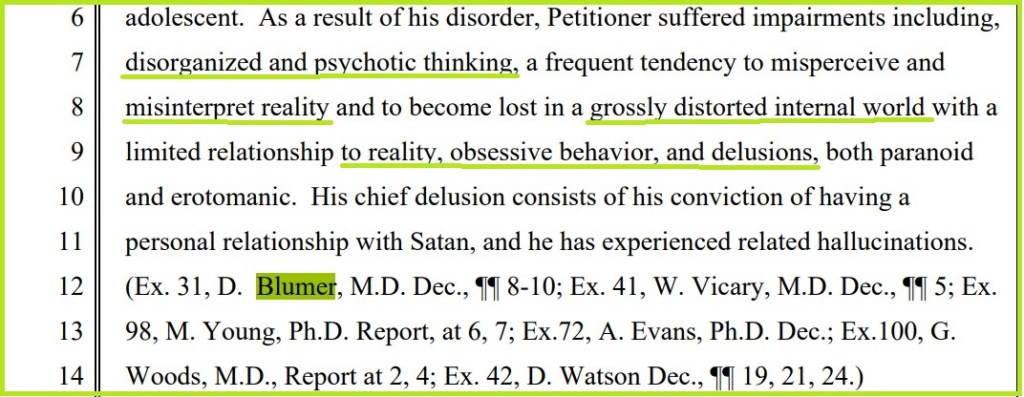
Writ of Habeas Corpus – page 207. Despite this information, the defence failed to challenge Richard’s competence to stand trial, in violation of his Sixth Amendment right to effective assistance of counsel.
Eleven
This is a list of the doctors and psychiatrists who all came to the same conclusions in the twenty years following Richard’s arrest. This doesn’t include the ones who saw him during the 1970s.
- William Vicary
- Dietrich Blumer
- Victor Henderson
- Elise Taylor
- Anne Evans
- George Woods
- Myla Young
- Marilyn Cornell
- Robert Schneider
- Dale Watson
- Jane Wells
Eleven doctors discovered how incapacitated Richard was, and it’s about time we put to bed the myth that Ramirez was a “smart” criminal, a mastermind able to outfox and run rings around law enforcement until he met his match. There is nothing further from the truth. In the free world, he could function by self-medicating, existing on a cocktail of drugs as his life spiralled out of control. And although he seems to have been able to interact with those around him, a criminal mastermind, he was not.
It should be noted that out of these eleven, only three saw him before his trial began in 1989. The reason why has been given in previous posts, but I will remind you that it was his San Francisco lawyers who did the work that Los Angeles failed to complete.
“Trial counsel did not ask me to appear in court and testify about my findings and conclusions. I was not directed by trial counsel to evaluate the impact of Petitioner’s disorder upon his behaviour at the time of the alleged criminal acts and his arrest. Moreover, I was not consulted regarding the entry of a plea of not guilty by reason of insanity, Petitioner’s capacity to assist counsel at his capital trial, or Petitioner’s ability to waive his legal rights during trial, including his purported waiver of a penalty trial. If I had been asked to render an opinion regarding Petitioner’s conduct and mental capacity, I would have done so based on my findings set forth in this declaration”.
Declaration of Dietrich Blumer – doc 7-18
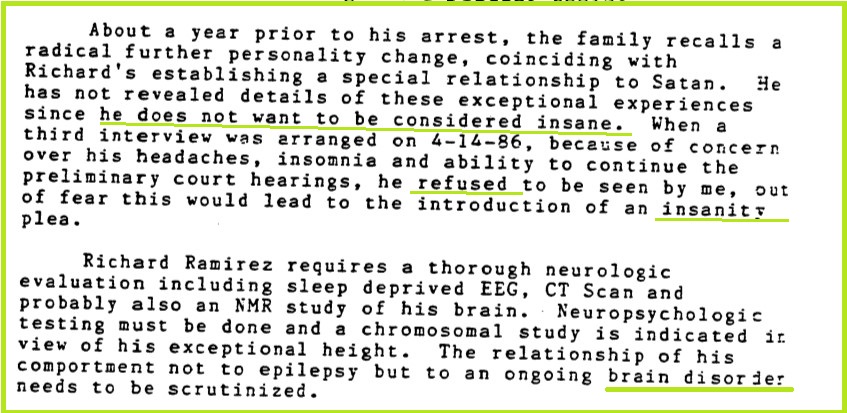
Declaration of Dietrich Blumer doc 7-18. Richard was supposed to see Dr Blumer a third time, an appointment scheduled for April 14th 1986; he refused. Blumer stated that it was because of his fears that an insanity plea would be introduced. Perhaps another reason could be that Richard did not want to be subjected to a chromosomal study; Blumer had indicated that it might be a good idea because of his “exceptional height”. Richard was 6ft 1, very tall but not “exceptional”, surely?
The chromosomal study was never done, and the findings of Dietrich Blumer were not followed up, developed, or presented in court.
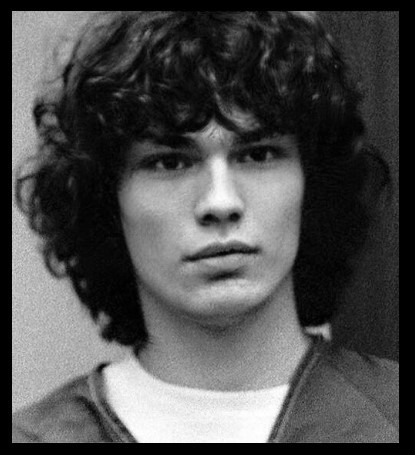
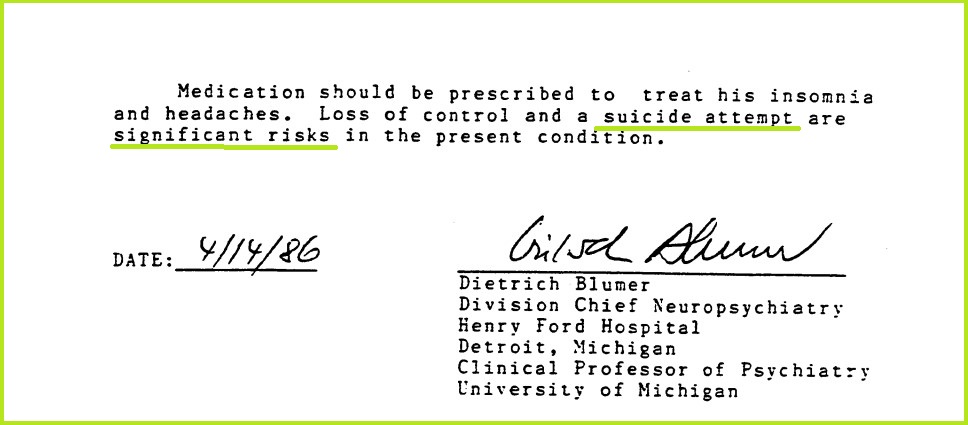
The report is dated the day Richard refused to see Dr Blumer, who was concerned about a possible suicide attempt. ~ Jay ~
-
Who Will Pick Up the Pieces?
“Could you talk about some of your childhood trauma?”
– Faye Snyder, to Richard Ramirez in 1990.
“I know enough about psychoanalysis to know what you want of me. Right now, I’m strong. You want me to remember things with you, but the mind is like a jigsaw puzzle: You take one piece out, and the rest will fall apart. And where will you be then? You won’t be here to pick up the pieces.”
– Richard Ramirez, according to author Faye Snyder.
Trauma
After analyzing the various mental health evaluations about Richard, I started thinking about why he likely said and did some of the things he did. Why did he act the way he did at times? The answer I came to is simple: Trauma. Yes, I believe a lot of what Richard said and did was from a place of deep trauma.
Back in the 1980s and 1990s, the mental health community knew that trauma affected people, but they did not realize just how devastating it could be. It was widely accepted that trauma, specifically post-traumatic stress disorder (PTSD), was only caused by war experiences or sexual assault. Fortunately, we have made progress in the field of psychiatry, and we now know that a multitude of things can cause trauma and that you don’t even necessarily have to experience an event to be traumatized by it. Some people experience trauma from witnessing or hearing about a traumatic event.
In the attempt to save his life, multiple attorneys and healthcare professionals evaluated and examined Richard over decades. I can only imagine how awful it must have been for Richard when lawyers, doctors, and mental health professionals were poking and prodding for information about his childhood and illnesses. Given what we know about his childhood, this likely was very traumatic for him (Family declarations, Habeas Corpus document 20.5).
We know he was very protective of his family and would not discuss them or anything that happened during his childhood. (Declaration of Elise Taylor, document 20.3, Exhibit 99). I think his being protective of his family wasn’t the only reason he didn’t want to talk about his childhood experiences. It was emotionally painful for him to discuss specific incidents or to even think about them.
Avoidance is a common behavior we see in people with trauma. They do not want to talk about those experiences, so they avoid reminders of the event or things that can trigger memories of the trauma. Some cope by suppressing what happened. Some people use drugs to deal with it. When Richard wasn’t in jail, he coped by using drugs. He avoided experiencing the hurt by self-medicating. Yes, it was an unhealthy way of coping. Nonetheless, it was how he coped. It kept the pain at a distance. It kept him numb, in a sense, so that he didn’t experience the negative feelings.
When Richard went to jail and then prison, he no longer had a way of coping with the emotional pain. He didn’t know how to deal with the pain and trauma he experienced. So, he became paranoid, disconnected, and disassociated, trying to control what little he could. He couldn’t control his convictions. He couldn’t control what happened to him when he was growing up. So he tried to control what little he could, such as who could visit him and who he could call on the phone. (Declaration of Anne Evans, Exhibit 73, document 16.7). This may seem trivial to us, but it was all he had.
On the outside, he was functional, mostly. Yes, he had a drug addiction. But he seemed to have interacted with people in an acceptable way. None of his friends or acquaintances said anything about him acting crazy, going off on angry tirades, or exposing himself. Those that did speak of his attributes described him as quiet, a loner, and not prone to violence.
Effects of Prison on a Trauma Victim
In 1985, they took a young man full of trauma and pain and put him in a jail cell where he likely went through withdrawal from cocaine, and on top of that, he had no way to deal with the turmoil inside of him. He couldn’t numb it anymore. He was angry. But anger is a secondary emotion. There’s always something underneath that anger that the person can’t deal with. Anger is easier to deal with than inner pain and suffering.
The things he masked with drugs couldn’t be masked anymore, and it came out in ways that showed he was experiencing symptoms of mental illness. He had managed to hide those symptoms for years from everyone but the health professionals he interacted with. And even some of the professionals that spent time with him, interviewing him, failed to see the inner turmoil and and pain and would merely go on to write about his psychopathology and never understand what was really going on with Richard Ramirez. Some would blame his alleged crimes on his childhood experiences and his parents, not the system and individuals that railroaded him.
Alone in a jail cell, with no way to escape the pain and trauma, Richard began to experience full-blown psychosis. He developed compulsions and obsessive behaviors as coping mechanisms. Again, unhealthy coping mechanisms, but still a means of coping. Then they locked him away on death row. He had nothing. I can picture him in my mind in that cell all alone, with no way to deal with his emotional pain, no way to deal with emotions that he had suppressed for so long. He couldn’t deal with the fact that he had been sentenced to death. So he disassociated. No one understood what he was going through. No one validated his suffering.
I know his attorneys were trying to save his life, but he couldn’t deal with the fact that he had been sentenced to death. (Declaration of Elise Taylor, document 20.3, Exhibit 99). He couldn’t help them because it was too painful. I can only imagine how much he suffered inside every day. He was cut off from everyone and everything he had ever known.
Ramirez in Popular Culture
Some individuals keep the ever-growing saga of Richard Ramirez alive by not only continuing the serial killer and rapist narrative but also by creating new storylines to keep it interesting, to keep people drawn to their stories, regardless of whether or not there’s a shred of truth to it. And the masses, being enthralled with Richard Ramirez even though he has been labeled as one of the most heinous killers in history, flock to said stories and take it all in as though it were fact, not bothering to do a bit of research for themselves. They are drawn to the serial killer, rapist narrative like moths drawn to a flame.
In 1993, Ramirez appeared on an episode of Inside Edition, which further fueled public fascination with his image. Media segments like these didn’t seek to understand the mental health crisis he was experiencing, but rather to sensationalize his notoriety, often presenting a one-dimensional villain devoid of humanity or psychological context. People attempt to psychoanalyze him from the footage but never seek out his genuine psychiatric evaluations.

Ramirez on a 1993 episode of Inside Edition Who picked up the pieces of Richard’s broken life, of his broken soul? How many people had the opportunity to change the trajectory of his life but didn’t?
A few words about trauma: everyone experiences trauma differently. What may be perceived as traumatic to me may not be perceived as traumatic to you, and vice versa. So, we should not assume that we all experience trauma in the same way. Trauma-focused therapy is a specialty. Not every psychologist or mental health professional is qualified to engage in this type of therapy. Trauma therapy must be conducted systematically and with an appropriate patient-focused approach. To blurt out, “Tell me about your childhood traumas,” is insensitive and can cause more harm to someone who has experienced trauma. Approaching a trauma victim with anything but genuine concern and empathy is harsh, unwarranted, and does not facilitate healing.
KayCee
-
Damaged – The Henderson Letter – 1987
*Images may be better viewed on a desktop*
The One in which a Neurologist Determined he had Brain Damage, and Everyone Looked Away.
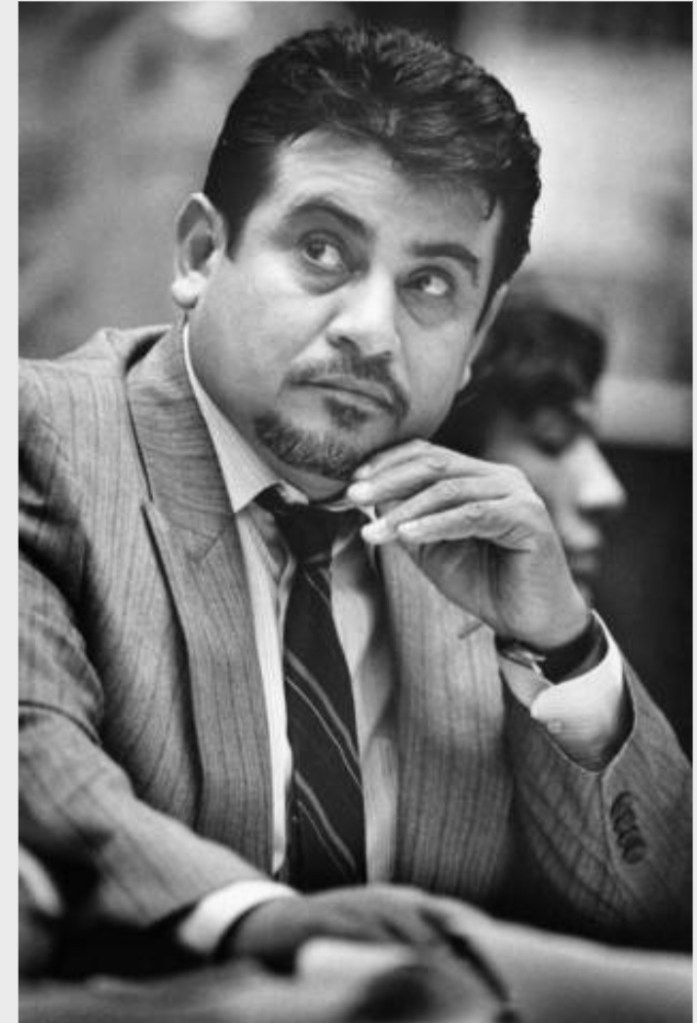
Defence attorney Daniel Hernandez, with Richard in the background, 21st July 1988. Photo credit: Leo Jarzomb from the Herald Examiner Collection.
“Denial of due process of Law in a capital trial violates the Fifth, Sixth, Eighth, and Fourteenth Amendments to the United States Constitution.“
The details surrounding the cognitive deficiencies suffered by Richard Ramirez are not something you see disclosed often. The failure of trial counsel (his defence) and the trial court to act upon the findings of psychiatrists who had seen him contributed to a miscarriage of justice.
We have covered some of the mental impairments in previous posts, and those are available to read, so I need not repeat everything here.In May 1987, Victor Henderson, M.D., a neurologist, examined Richard and concluded that he had suffered brain damage. He informed the defence counsel of his findings. They provided constitutionally deficient performance in failing to follow up and present the information.
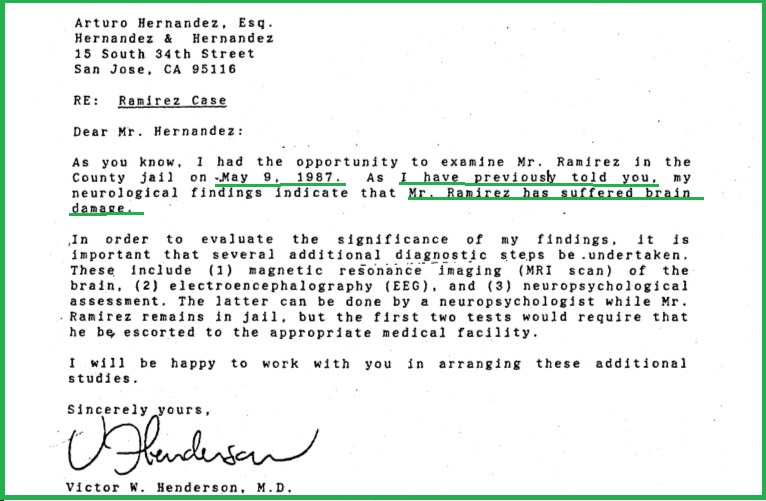
“As I have previously told you,” Victor Henderson’s letter, doc 20-3. This wasn’t the first time he had disclosed this information. 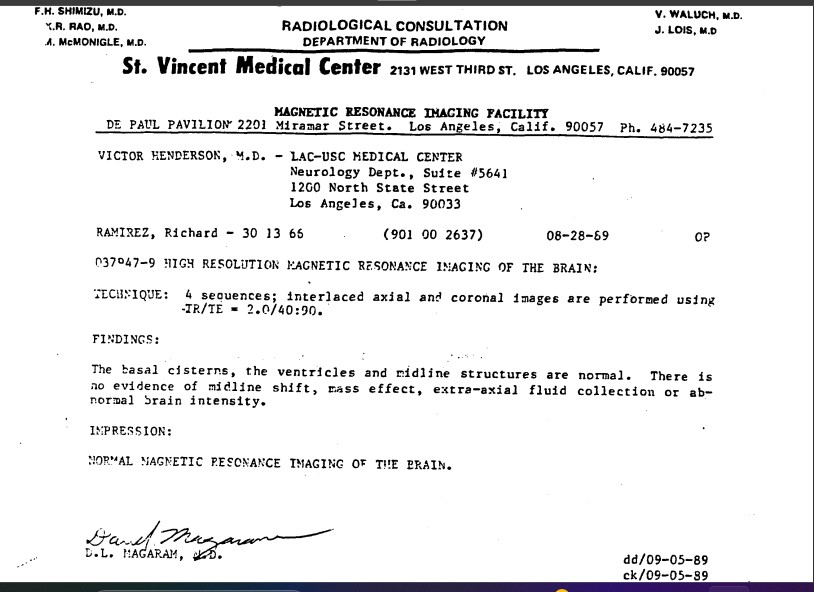
Richard was given an MRI scan, and the results were normal. MRI scans look for physical damage; they can see cysts, tumours, brain bleeds, etc. It looks for physical injury, such as Richard suffered in the 1970s when his EEG results indicated temporal lobe disorder. He would have had to have been having a seizure for the scan to pick it up; most importantly, an MRI cannot detect mental health issues. In the 1990s, the fMRI scan was introduced; the difference between this and the MRI is that the fMRI (functional magnetic resonance imaging) can “see” your thoughts and feelings; it reveals which part of the brain is active if a person is asked to think about something. It helps doctors to diagnose, monitor and treat psychological conditions. More information on the difference between the MRI scan, given to Richard, and the fMRI can be found HERE.
Under California Law Association rules, an attorney must seek to investigate all mental illnesses suffered by their client; they must investigate any improper police or prosecution conduct which will infringe the client’s constitutional rights. Any sources of information must be brought forward and scrutinised, especially in cases where death could be an outcome.
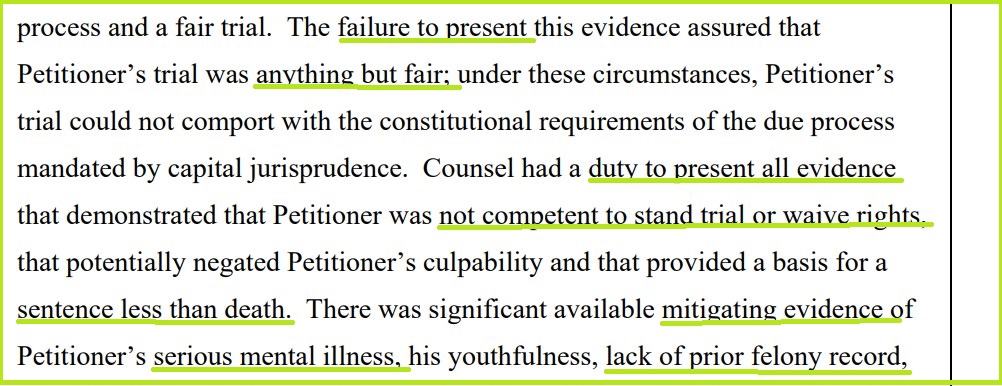
Writ of Habeas Corpus page 516
The duty of the attorneys was to present all evidence that showed that Richard wasn’t competent to stand trial, waive his rights and assist in his defence.
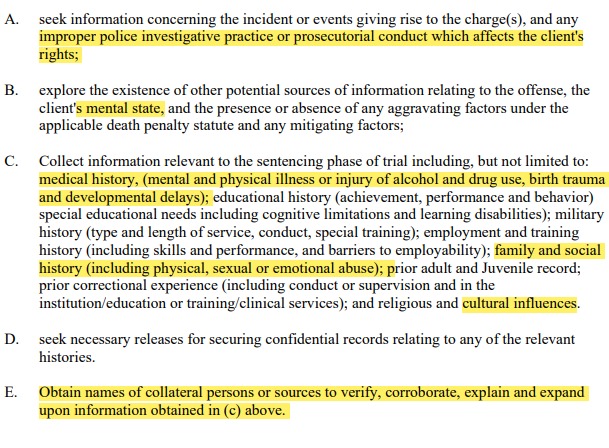
California Law Association Rules
In the Best Interests of the Client
In Richard’s trial, we’ve seen how a conflict of interest led to his mental state being covered up due, in part, to his defence counsel being short of funds and the trial court turning a blind eye as he was hustled on towards a judgement of death. Under the Constitution of the United States of America, Ramirez should not have been considered “death worthy”. Having failed to present the evidence to challenge the prosecution over the charges, his defence counsel should have used their information about his mental capabilities, as it was in his best interests. In this, they also failed.
“When the courts are not likely to properly enforce the rules sua sponte, attorneys must seek to enforce the rule.
Else their clients will die.”
(Sua sponte – Latin for “of one’s own accord; voluntarily.” In Law, it means that a court has taken notice of an issue on its motion without prompting or suggestion)
California Law Association Rules
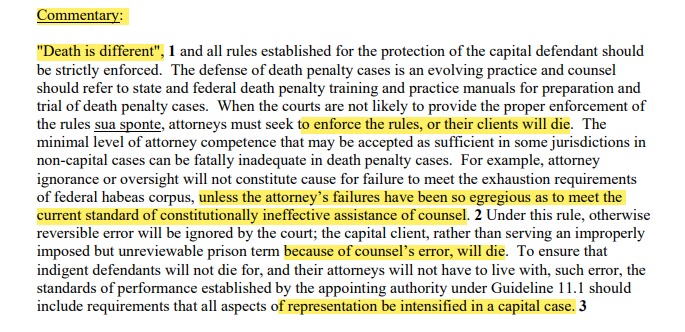
“Death is different” California Law Association Rules It is self-evident that no one enforced that rule.
“Trial counsel’s errors and omissions denied Petitioner the right to present a defence and to present all relevant evidence; the right to cross-examine and confront witnesses; the privilege against self-incrimination; the right to a jury determination of every material fact; the right to compulsory process; the right to a reliable, rational, and accurate determination of guilt, death-eligibility and death-worthiness, free from any constitutionally unacceptable risk that those determinations were the product of bias, prejudice, arbitrariness or caprice; the right to be subjected to the death penalty only if reliable evidence was properly introduced proving that Petitioner was death-eligible and death-worthy; the right to a trial free of intentionally, demonstrably or inferentially false inculpatory evidence; the right to the effective assistance of counsel; the right to due process and the equal protection of law; and the right to a fair trial and to a reliable and appropriate penalty as guaranteed by the Fourth, Fifth, Sixth, Eighth, and Fourteenth Amendments”
Writ of Habeas Corpus page 488
A Circus
I have read other petitions of Habeas Corpus; most are a couple of hundred pages long; the 2008 Habeas Corpus petition of Richard Ramirez contains nearly 800 pages, with perhaps another 300 pages of supporting documents; it is immense, and most of the information it contains is unknown, nor does it feature in the countless podcasts and websites dedicated to the subject of “true crime”. No one talks about it. “Oh shhh, there’s nothing to see here”, “Fake news”, and “It never happened”. Well, it did happen, and few want to acknowledge that a mentally ill man was sentenced to death in the face of weak evidence in a case that the prosecution did not prove beyond a reasonable doubt. A case in which forensic specialists working for post-conviction lawyers were denied greater access to the evidence to further their conclusions. When ballistic and projectile testing is faulty, the participating firearms officers cannot agree on the outcome.
The inconsistencies persist, even down to the details of what model of Avias he purportedly wore.
His illnesses changed to manipulations and a DA being soft on crime in San Francisco. Are we supposed to discount all the reports and tests on him?
In favour of the accepted story?
We are, or so it seems.
If you ever find yourself in similar circumstances, get a decent lawyer if you can afford it. To be poor and saddled with incompetent attorneys means death.
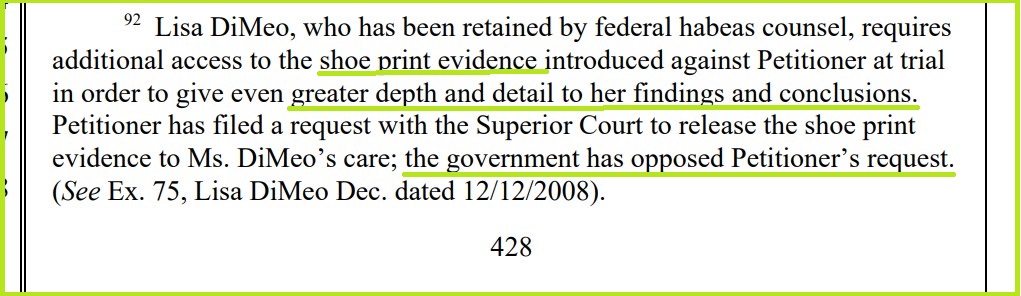
You can read more about the findings of forensic specialist Lisa Dimeo HERE. *spoiler* Tens of thousands of shoes could have been responsible for those infamous prints. Why the government refused a forensic specialist working for the defence, a deeper look at the evidence, you can make up your own mind about.

Why the reluctance? What’s In a Fingerprint?

There are more questions than answers.
~ Jay ~
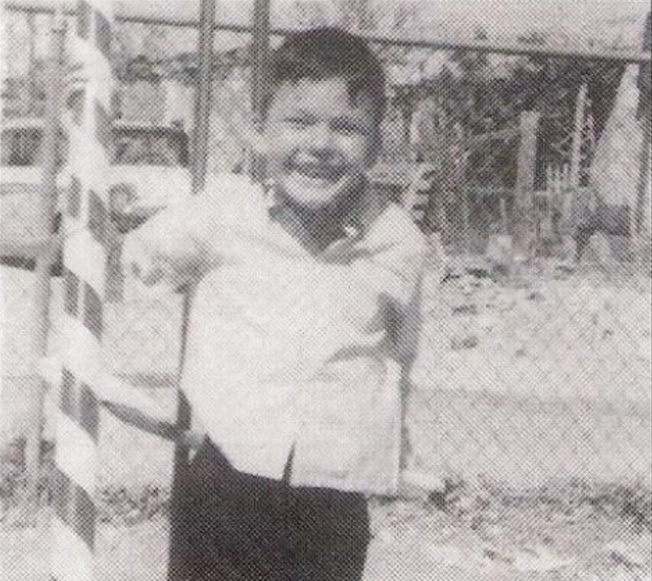


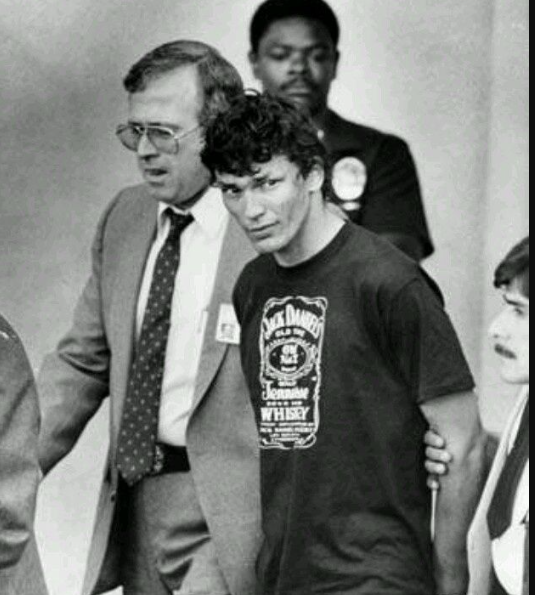

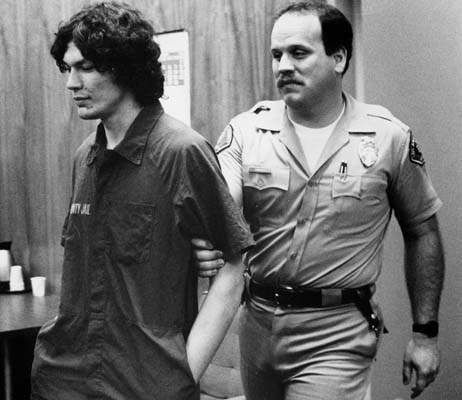
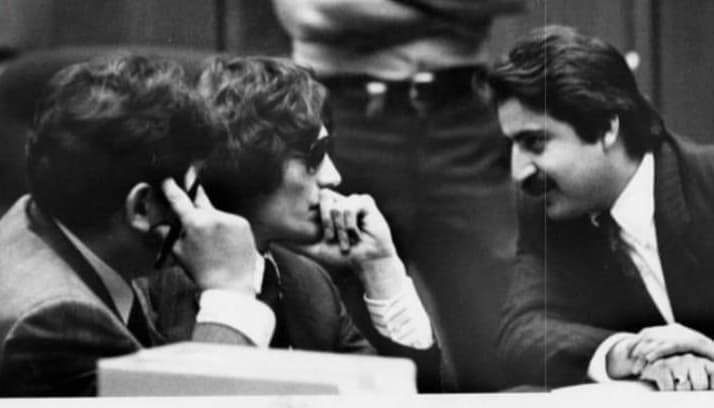

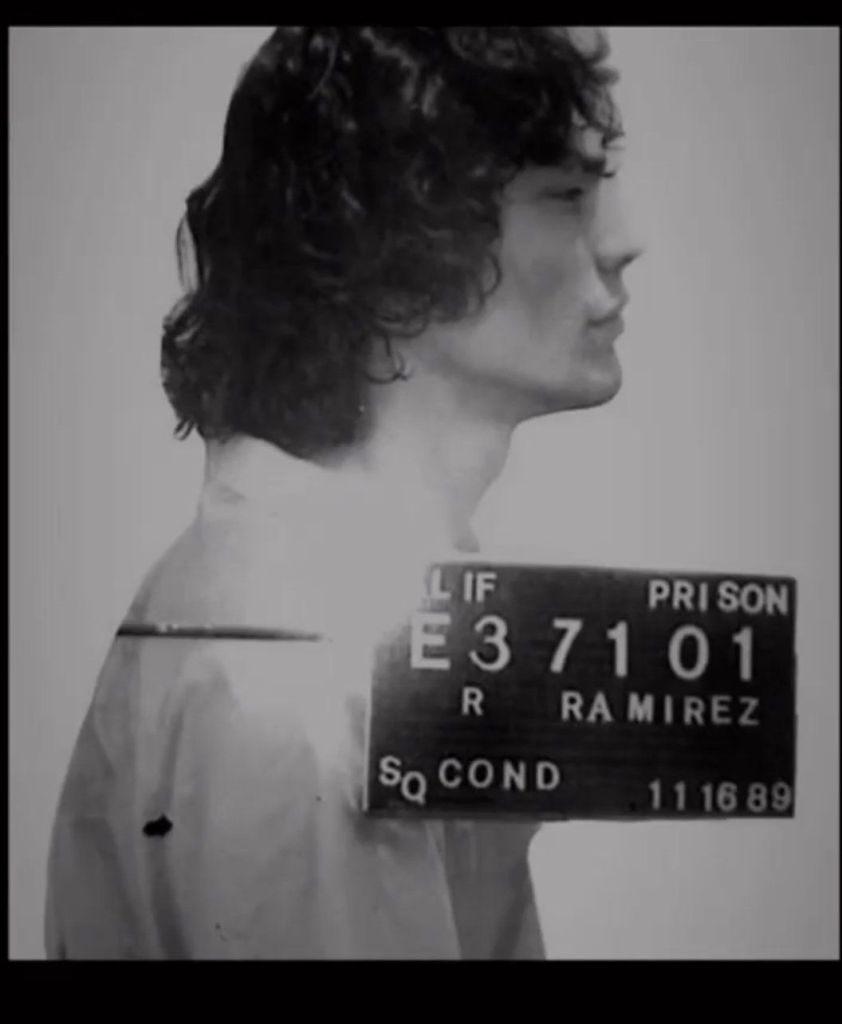


 Expendable For A Cause.
You must be logged in to post a comment.