
“The world has been fed many lies about me..”
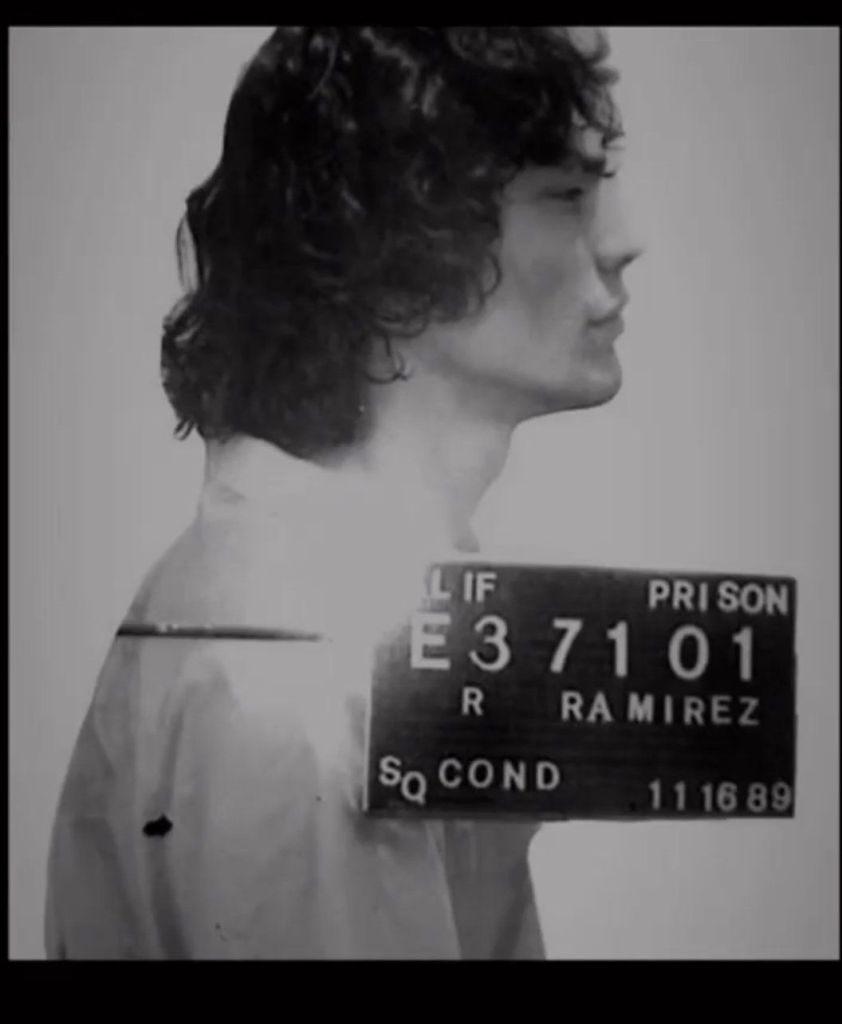
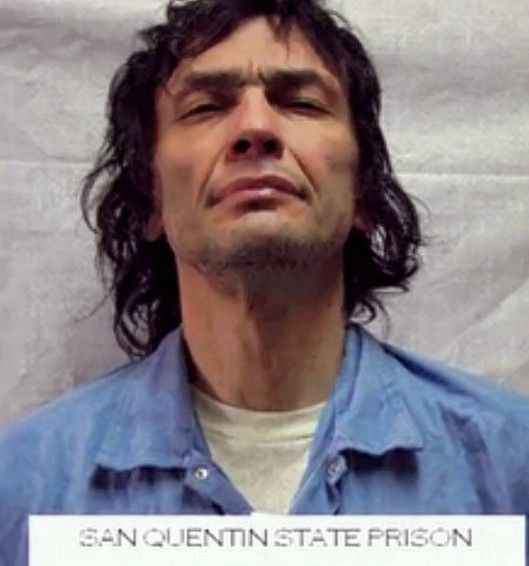
Richard Ramírez
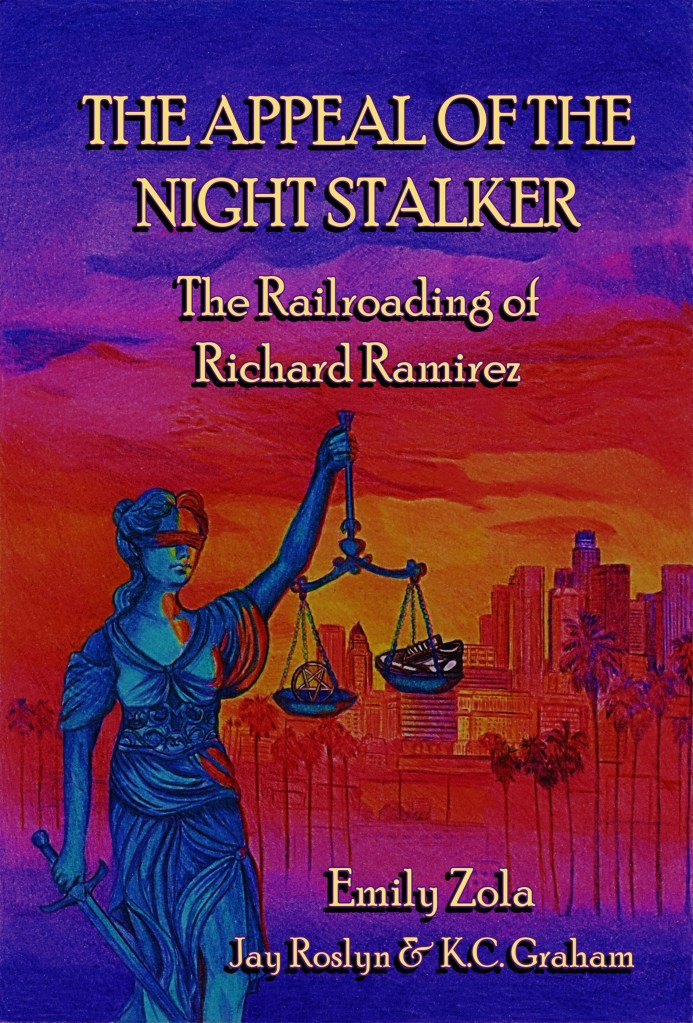
Now available, the book: The Appeal of the Night Stalker: The Railroading of Richard Ramirez.
Welcome to our blog.
This analysis examines the life and trial of Richard Ramirez, also known as The Night Stalker. Our research draws upon a wide range of materials, including evidentiary documentation, eyewitness accounts, crime reports, federal court petitions, expert testimony, medical records, psychiatric evaluations, and other relevant sources as deemed appropriate.
For the first time, this case has been thoroughly deconstructed and re-examined. With authorised access to the Los Angeles case files, our team incorporated these findings to present a comprehensive overview of the case.
The Writ of Habeas Corpus
The literal meaning of habeas corpus is “you should have the body”—that is, the judge or court should (and must) have any person who is being detained brought forward so that the legality of that person’s detention can be assessed. In United States law, habeas corpus ad subjiciendum (the full name of what habeas corpus typically refers to) is also called “the Great Writ,” and it is not about a person’s guilt or innocence, but about whether custody of that person is lawful under the U.S. Constitution. Common grounds for relief under habeas corpus—”relief” in this case being a release from custody—include a conviction based on illegally obtained or falsified evidence; a denial of effective assistance of counsel; or a conviction by a jury that was improperly selected and impanelled.
All of those things can be seen within this writ.
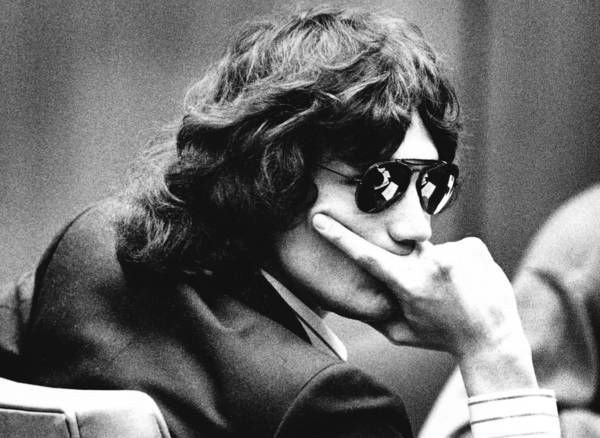
The Writ of Habeas Corpus is not a given right, unlike review on direct appeal, it is not automatic.
What happened was a violation of constitutional rights, under the 5th, 6th, 8th and 14th Amendments.
Demonised, sexualised and monetised.
After all, we are all expendable for a cause.
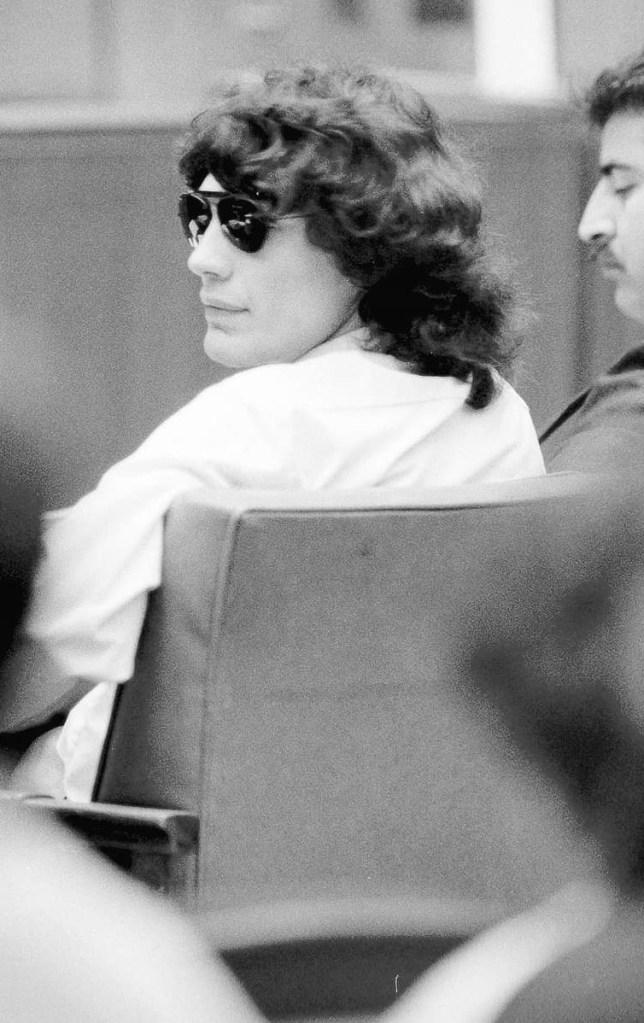
- ATROCIOUS ATTORNEYS (4)
- “THIS TRIAL IS A JOKE!” (8)
- CONSTITUTIONAL VIOLATIONS (9)
- DEATH ROW (3)
- DEFENCE DISASTER (7)
- INFORMANTS (6)
- IT'S RELEVANT (17)
- LOOSE ENDS (15)
- ORANGE COUNTY (3)
- POOR EVIDENCE (16)
- RICHARD'S BACKGROUND (7)
- SNARK (12)
- THE BOOK (4)
- THE LOS ANGELES CRIMES (22)
- THE PSYCH REPORTS (14)
- THE SAN FRANCISCO CRIMES (5)
- Uncategorized (5)
-
You, the Jury
Questioning
The word “occult” comes from the Latin “occultus”. Ironically, the trial of an infamous occultist and Satanist is the epitome of the meaning of the word itself: clandestine, secret; hidden.
We’ve written many words; a story needed to be told, and we created this place to enable us to do just that.
Here, in this space, we intended to present the defence omitted at Richard Ramirez’s trial in violation of his constitutional rights. Our investigations have taken us down roads we’d rather not travel along, but as we did so, we realised that there was so much hidden we could search for a lifetime and still not see the end of it. Once we’d started, there was no turning back; we followed wherever it led.This was never about proving innocence; that was never the intent or purpose. We wanted to begin a dialogue, allowing this information to be freely discussed and for us to verbalise the rarely asked questions. We asked, and we’re still asking.
We can’t tell you, the reader, what to think; you must come to your own conclusions, as we did.
And so
We’ve said what we came here to say; with 114 articles and supporting documents, we’ve said as much as we can at this point.
This blog will stand as a record of that, and although we will still be here, we intend to only update if we find new information, if we suddenly remember something we haven’t previously covered, or to “tidy up” existing articles and examine any new claims (or expose outrageous lies) that come to light. The site will be maintained, and we’ll be around to answer any comments or questions.
What Next?
We will focus on the book being worked on; we’ve also been invited to participate in a podcast. When we have dates for those, we’ll update you.
The defence rests? Somehow, I sincerely doubt that; ultimately, we’re all “expendable for a cause”.
~ J, V and K ~
-
The Bald Untruth
By Venning
After Ramirez was identified as the prime suspect in the Night Stalker crimes, several police agencies were keen to ‘clear the books’ by looking through open cases and attempting to find links. Because Ramirez conveniently had no modus operandi, they could blame anything on him: stabbing, throat slashing, bludgeoning, shooting, and kidnapping; it did not matter. As established on this blog, police morphed suspects who were originally described as very different to Ramirez into the Night Stalker.
Most of this can be blamed on the LASD and LAPD’s character creation. However, San Fransisco police would join in the metamorphosis game – open cases in that city that vaguely matched the multiple M.O.s of the Night Stalker would be linked to Richard Ramirez. There were 153 homicides in San Francisco between January 1984 and December 1985 – many unsolved – and police were keen to close them by any means possible.*
One example is the Caldwell sisters who were victims of frenzied knife attacks on 20th February 1985. Former SFPD Inspector, Frank Falzon, claims Ramirez confessed to the Caldwell murders – although he was never formally charged for the crime, which might suggest the San Francisco District Attorney did not agree… or perhaps Falzon is making it up – like Detective Carrillo, a lot of Falzon’s claims are not supported by evidence. It is strange how so many detectives forgot to record Ramirez’s supposed confessions or there is a weak excuse for why they did not – in this instance, Ramirez allegedly shouted the confession as Falzon was walking away.
Many news articles, then and now, link Richard Ramirez to the murder of celebrated chef Masataka Kobayashi in November 1984. However, Falzon believed the suspect was a paedophile neighbour, who was obsessed with Kobayashi’s teenage son. Kobayashi sent his son away to boarding school to protect him and shortly after, he was found dead just inside his front door, and the neighbour was questioned. He was never charged despite remaining Falzon’s prime suspect. Falzon does not believe it was Ramirez, due to it not matching his M.O. – but what M.O.? He allegedly had so many.
Another San Francisco crime – that is forever connected with Ramirez – was the murder of Edward Francis Wildgans on 2nd June 1985. Wildgans was sleeping when he was shot in the head by a small calibre weapon. His girlfriend, Kathy Moore fought off her assailant as he attempted to sexually assault her. This seems to match other Los Angeles Night Stalker attacks, such as Doi, Khovananth and Abowath – and even the untried case of Carns in Orange County.
At the time of Ramirez’s arrest, he was linked to Edward Wildgans, though again, never formally charged – but newspapers stated that Kathy Moore’s description of the killer matched Richard Ramirez.
From the Los Angeles Herald Examiner:
“In San Francisco, police said yesterday that investigators are looking closely at three additional homicides to see if they are linked to the Night Stalker case.
Detectives are examining the June 2 shooting death of 29-year-old Edward Wildgans … Wildgans’ girlfriend, who was not injured in the attack, provided a description of the killer that matched that of Ramirez, [Lieutenant] Kowalski said.”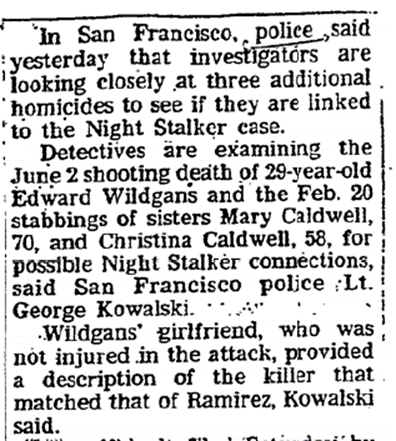
Los Angeles Herald Examiner, 5th September 1985. The San Francisco Chronicle told the same story.
“A girlfriend, who was unharmed, gave a description of the attacker that matched Ramirez’s general description [Inspector Mike] Mullane told the San Francisco Chronicle.”
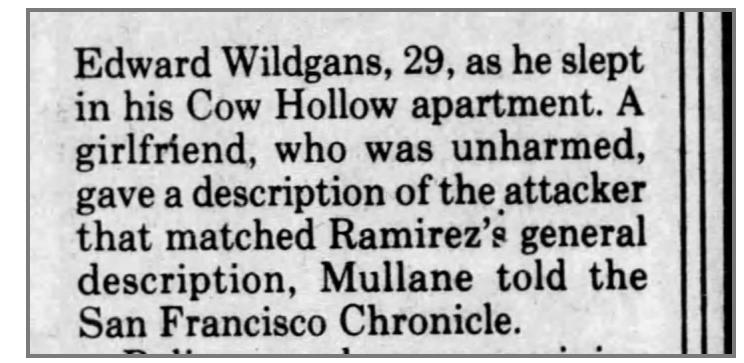
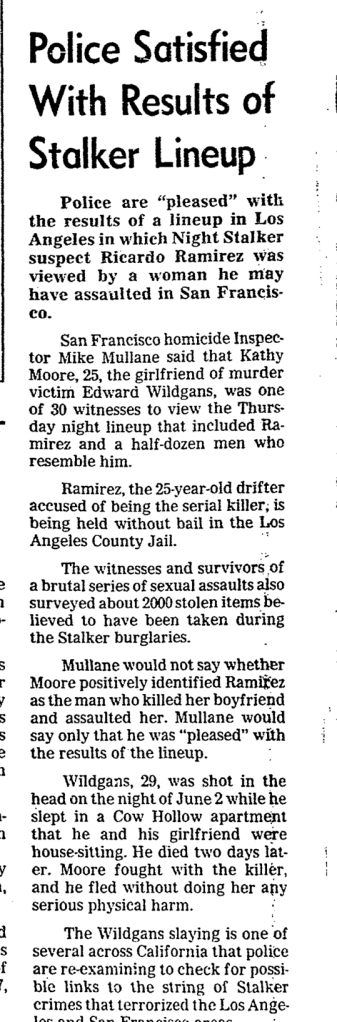
The Times Advocate (local paper for Escondido, California), 4th September 1985, Kathy Moore was invited to the 5th September 1985, line-up in Los Angeles. Below, an article from the San Francisco Chronicle: Inspector Mike Mullane would not say whether Moore chose Ramirez, only that he was pleased with the result.
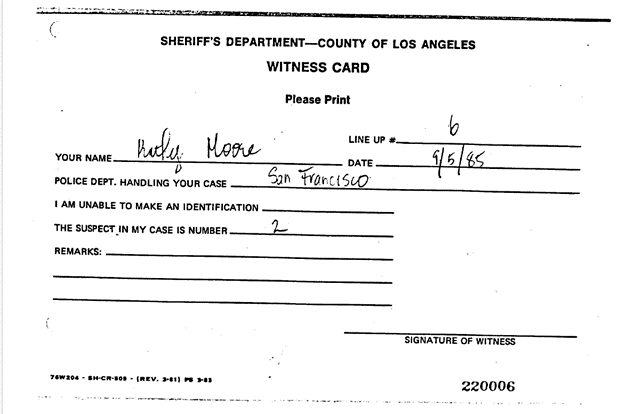
We now know from habeas corpus document 20.3, that she did chose Ramirez. Here is Kathy Moore’s witness card.
At the preliminary hearing in 1986, video evidence came to light that showed a sheriff’s deputy using hand signal to encourage witnesses to pick Ramirez at the live line-up. This happened at both line-ups. Watch the silhouetted man who emerges from the right hand side.
However, before the Night Stalker hysteria had reached San Francisco – even before the hype had taken hold in Los Angeles – the Wildgans suspect was described as someone very different.
Ramirez has shapeshifted many times over the course of the Night Stalker case, managing to be Mexican, Chinese and white at various times, while his height ranged from 5’6” to 6’4” and his hair ranged from blonde to black – as well as various lengths and styles. But this is a new one: thinning hair.
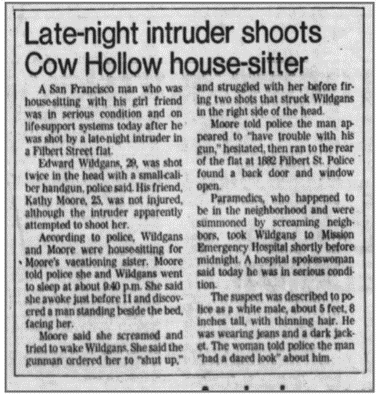
The San Francisco Examiner, 3rd June 1985. 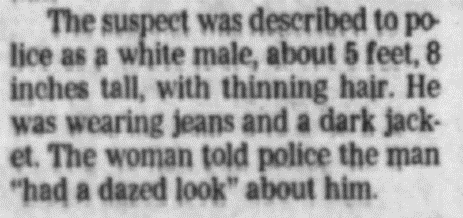
Magnified 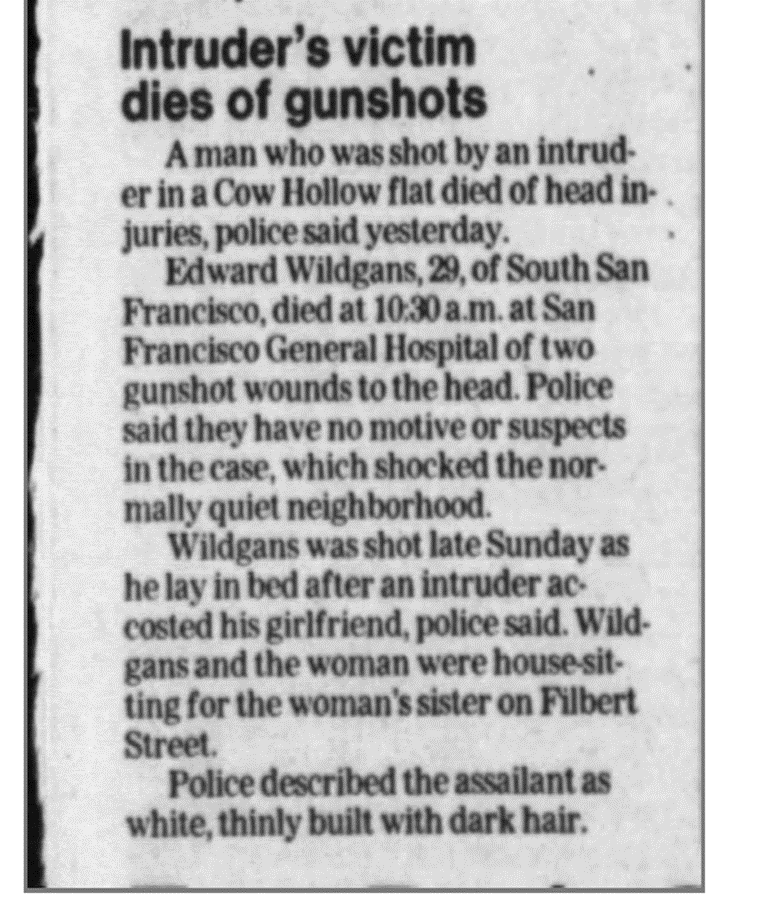
A second, less detailed report, The San Francisco Examiner, 5th June 1985. A shortish balding murderer turned into tall Richard Ramirez with thick curly hair. It is sad – and also appalling – that a victim could either lie – or be so vulnerable that the police can manipulate them into identifying an innocent man and years later, forensics specialists were still desperately clutching at reasons to implicate him by searching for DNA.
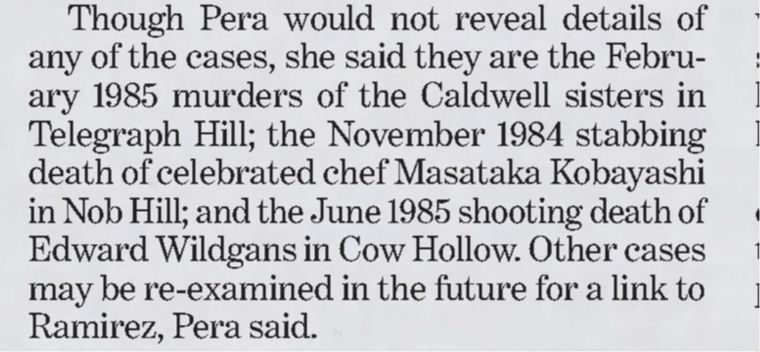
San Francisco Examiner 13th December 2009 * the cold case database mentioned in this article is from 2005 – some of the crimes have since been solved. Ramirez is still not listed as the suspect for the Caldwell crime or Wildgans and had yet to be implicated in the Leung case. He is only listed for the Pan Incident.

As you can see, Ramirez did not have thinning hair. First written on 5th August 2023
-
Sensation-Seeking Parasites!
“The media, the television, authors, newspapers; they tragically fail in their most important duty to report the truth in an unbiased and truthful manner. It’s easier to convict a man with words than with evidence“.
Richard Ramirez – from an interview with Mike Watkiss
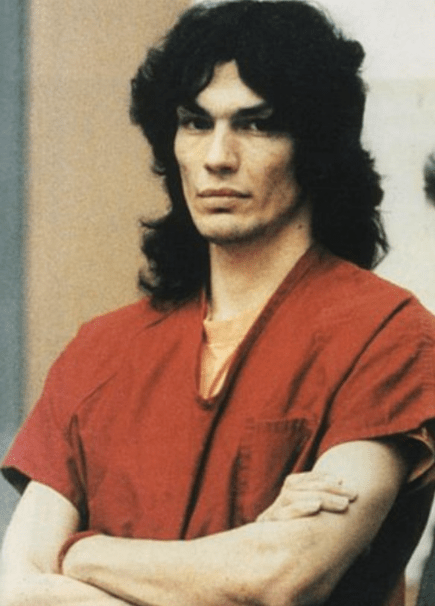
Richard Ramirez – post LA convictions at a San Francisco hearing.
The media frenzy surrounding the capture of Richard had guaranteed a fair trial was going to be problematic, the newspapers were falling over themselves to print hundreds of articles with accompanying pictures. Most contained inaccuracies, and then, as now, the more macabre and horrific the material, the more the public clamoured for more, both fascinated and appalled. A sickening soap-opera, they couldn’t look away, gulping it all down, after which, they probably tutted and went to cook dinner, with a sweeping sense of relief now that the one-man crime wave was finally concluded. Los Angeles could settle down to its dream of a Utopia that never was.
Shill
Fast forward to 2021, another article, in celebration of the Netflix release of “Night Stalker: The Hunt For a Serial Killer”, was published by CBS News on 21st May that year. The report was astounding in its erroneous content, the journalist clearly having never done an ounce of research into the case. Of course, they had to follow the narrative, and likely neither knew nor cared that what they were writing bears minimal resemblance to the facts or the evidence.
Luckily, the original police reports and eyewitness statements contained within Richard’s habeas corpus petition are available and in the public domain; without that, the truth of what is contained therein would have been buried forever. There is no excuse for lazy journalism or for being a sycophant (or a shill, for that matter).
I hadn’t intended to write this; I was researching something else. However, specific points need addressing. Whether it’s 1985, 2021 or 2023, the propensity for mendacity continues ad nauseam.
Hunch
The CBS News article focuses on the old platitude that the child victims and Maria Hernandez closely described the same attacker. Truly a lightbulb moment for one person.
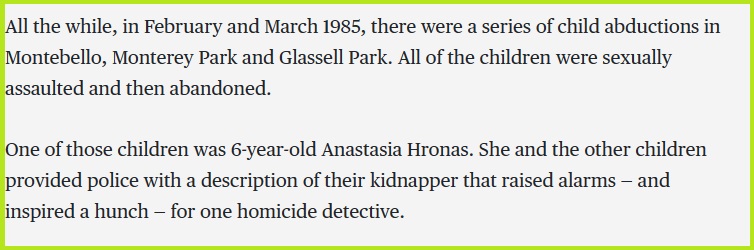
CBS News – 21st May 2021 To find out what was reported the during the time the incidents took place, we need to go back to 1985 to look at the description of the man wanted for the child abductions and assaults.
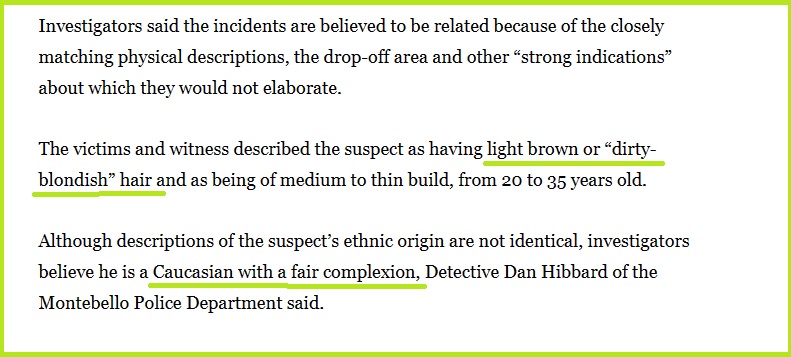
From the LA Times – 14th March 1985 Light brown or dirty-blondish hair? Richard Ramirez has been called many things, but blonde is hardly a description that fits him, yet two children and one ADULT witness did just that.
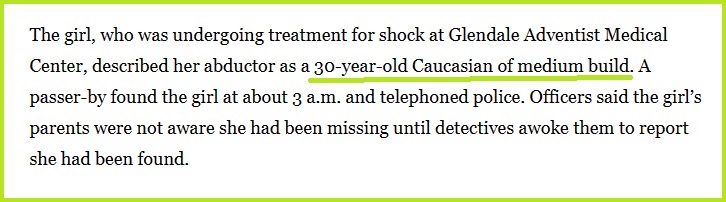
From the LA Times – 20th March 1985 A 30-year-old Caucasian?

From the LA Times – 29th March 1985, a quote from Detective Lou Gallegos. And again, a white male in his early 30s, with light brown or dark blonde hair. Ramirez stood at 6ft1, significantly taller than the 5ft 9 attacker. He was a 25 year old Latino, with very dark hair.
This is the composite of the man suspected of attacking the children, the original composite, before they began to change him into Ramirez.
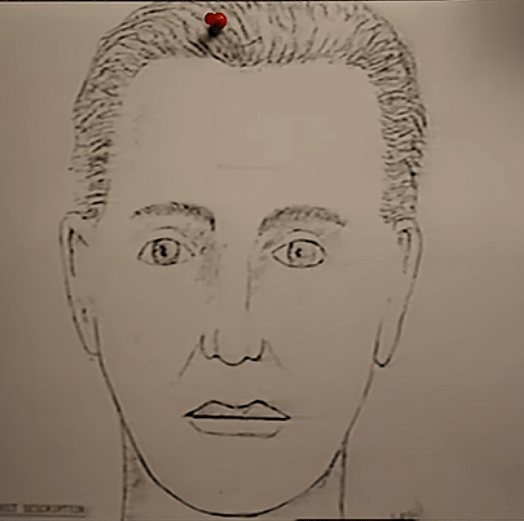
Just like Ramirez – if you’re blind or deluded. 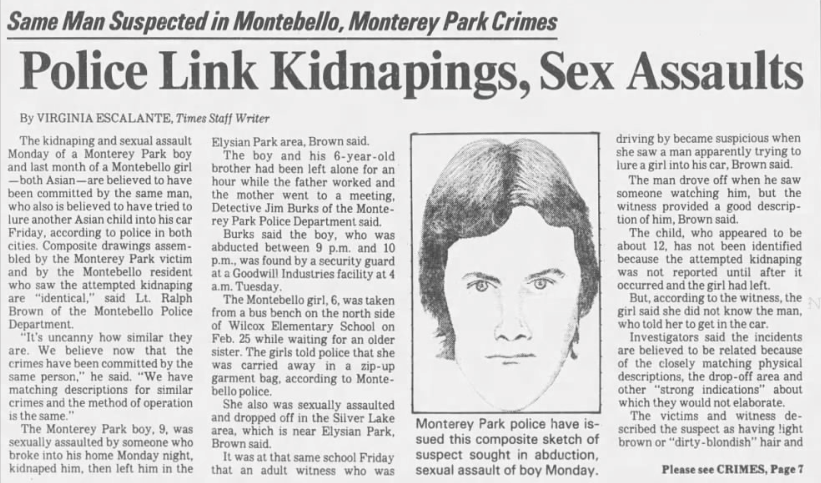
The LA Times – 29th March 1985 In June 1985, the most well-known abduction occurred, the kidnapping and sexual assault of Anastasia Hronas.

From the Orange County Register – 8th September 1985 
From the Arcadia Tribune – 30th June 1985, a male Caucasian, 35 to 45 years old. 
From the LA Times – 30th June 1985. This description is at variance with the ones previously given, neither sound like Richard Ramirez. Too old, too short and, in the earlier abductions, too blonde.

CBS News report – 21st May 2021
What Did Maria Hernandez Say?
“At the hospital, Maria Hernandez told Detective Carrillo – who knew her mother – that the attacker was either a light-skinned Caucasian or Mexican male with brown eyes and a “very determined look on his face.” She estimated that he was between 5’9″ and 6’1.
Hernandez stated that her assailant was wearing a black “Members Only” type jacket over a white shirt, but that she cannot remember whether the attacker was wearing a hat or not – but if he was, it was dark.”
There is a big difference between someone who is 5ft 9 and someone of 6ft 1.
She helped to create a composite, describing a man with a moustache. Maria attended two line-ups in April and July 1985, of which one contained the unfortunate Arturo Robles, pulled in by Carrillo for allegedly following girls. Maria did not identify anyone, and Robles was let go. She was also shown two swatches of suspect photographs and chose one from each set. Neither Arturo Robles nor Richard Ramirez had blonde hair, so it is hard to see any similarities between either man or the child abductor, as described by his victims.
At Richard’s live line-up in September that year, she identified him, and added on her witness card that he also “had a little beard”. She claimed to have seen him numerous times on the TV and in the papers after his capture. However, in court, she admitted she could not identify him from memory. It is safe to say that Maria Hernandez was unsure of what her attacker looked like.
This is the composite she helped to create: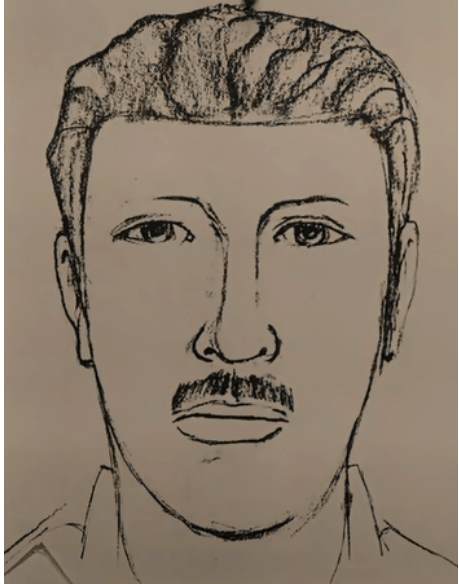
For more information on the ever-changing composites, see here.
Did They All Mention Bad Teeth?

CBS New – 21st May 2021. This “hunch” looks doubtful. No, no, they did not. The teeth, the famous stained teeth, were first mentioned by Somkid Khovanath in July 1985.
The only person who mentioned teeth before July was Carol Kyle. She said her rapist had straight, white, clean teeth.The CBS News article neatly circumvents what happened to Carol Kyle in the same way that the Netflix documentary does, the teeth she described being at odds with what the documentary states. She should have been included, regardless of the glaringly apparent teeth differences. One might suspect that she was ignored in the documentary for that reason. Ms Kyle also helped to produce two other composites, neither looking like each other nor anything like Ramirez. She somewhat implausibly picked him out at the line-up.
Why Was Richard Chosen at the Line-Up?
Quite simply, they were coached or, shall we say, “encouraged”, as the Public Defender Judith Crawford observed.
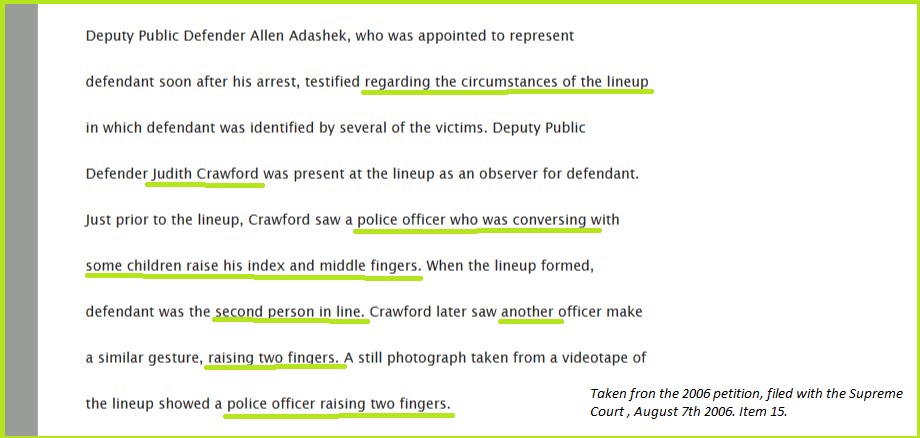
2006 petition, filed with the Supreme Court, 7th August 2006. She saw one officer bending down to talk to the gathered children whilst holding up two fingers. Later she saw another officer behaving in the same way, holding up two fingers to assembled eyewitnesses; in fact, as there were two line-ups with two audiences, Judith Crawford watched them do it again. That is not a coincidence. Richard, as we know, was adorned with a card bearing the number two. Their line-up was tainted and compromised.
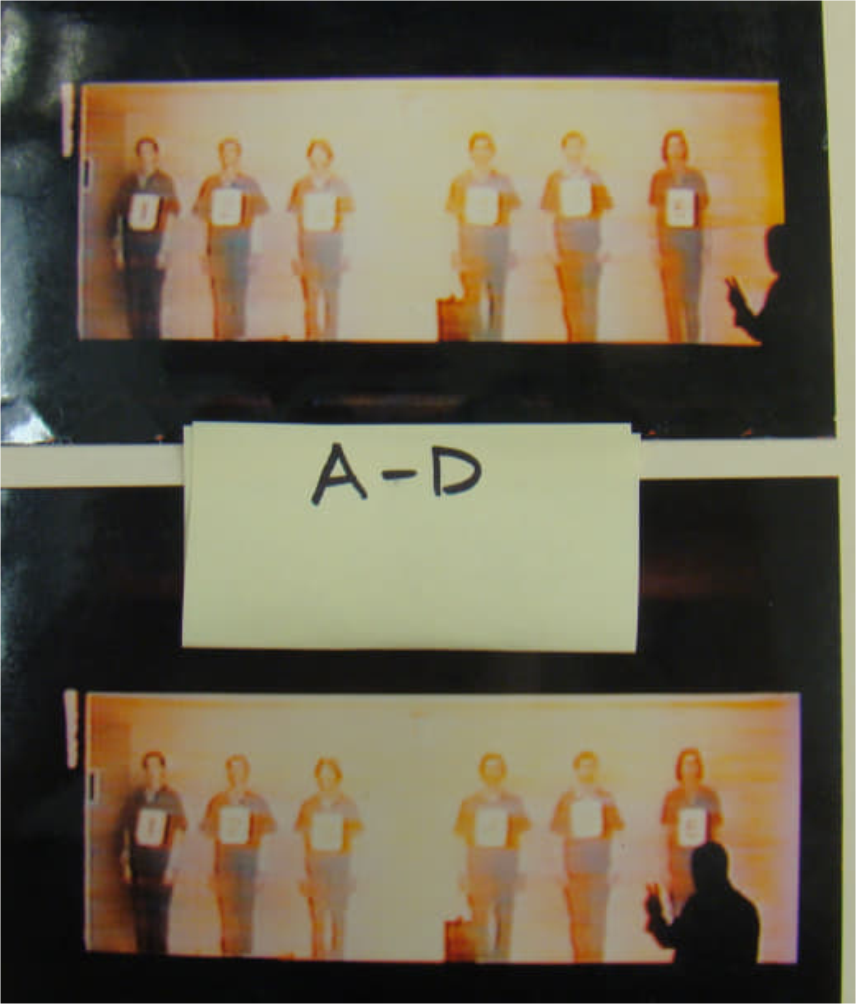
He’s number two, got that? 
CBS New – 21st May 2021 The two finger-waving deputies were Tom Hageboeck (according to Carlo) and John Jones; Detective Carrillo is not mentioned as being at the line-up in either the 2006 petition or the 2008 one. Perhaps he wants to avoid being associated with the leading of witnesses in legal documents. The glorification in the Netflix documentary is another separate issue.
As for the CBS article, I would not read too much into an article created by someone who writes this:

The Hillside Stranger? To transcribe in brief what they’ve watched on TV isn’t journalism; it isn’t researching the subject, looking at irregularities and asking pertinent questions. It is seeking approval.
No eyewitness definitively described the appearance of Richard Ramirez, and saying they did does not make it accurate, no matter how many times it’s said. All eyewitness and victim statements are covered in the “Crime” section; their recollections differ. If you’re hoping to find gratuitous and upsetting incident photos contained there, sorry, we don’t do that. Seeing horrific images images does not help anyone weigh up facts and evidence; it sheds no light on the perpetrator.If you prefer sensationalism, stick to Netflix and articles from CBS News.
“Mirrors,” she said, “are never to be trusted.”
Neil Gaiman – Coraline~ Jay ~
-
Richard Ramirez: Delusions With Foundations in Reality
The psychiatric report by Anne Evans – briefly covered here – highlighted some of Richard Ramirez’s obstructive behaviour towards his appellate lawyers and his would-be defence team for his San Francisco trial (that never happened). Evans did not believe it was directed at any particular attorney – all of them were subjected to Ramirez’s incoherent outbursts, paranoia and self-destructive behaviour.
Evans observed that Ramirez harboured a lot of anger and mistrust towards others in addition to a persecution complex, which she put down to paranoia caused by his previous experience in the Los Angeles trial. She wrote:
“Ramirez’s prior experiences with the legal system have contributed to his superficially adequate legal knowledge and courtroom orientation. Nonetheless, in one response to a basic question about what the defendant does during the trial, Mr. Ramirez’s irrationality leaks through: “Sit and watch the whole facade – the stupidness of it. You have lay persons giving legal jargon that they don’t go to school for even and pretend to do scientific stuff.” When I asked to whom he was referring, his response was, “The jury!””
Declaration of Anne Evans, Document 16-7.While it is true that his legal knowledge was “superficially adequate” – he never fully understood the intricacies of his trial – Evans seemed incredulous that Ramirez described courtroom personnel as “imposters”, referred to his trial as a façade and criticised the jury’s lack of scientific knowledge. She denounced it as “irrational”.
Ramirez indisputably suffered from paranoid delusions – eleven psychiatrists independently came to that conclusion – but Anne Evans erred in assuming his opinions regarding the trial were delusions. Some of his paranoia was very much based on reality. Throughout this blog we have demonstrated the lack of evidence in every single Night Stalker case – if Ramirez truly was innocent, then “kangaroo court” is accurate. Ramirez’s defence lawyers, Arturo Hernandez and Daniel Hernandez were underqualified, and Arturo abandoned Ramirez. Then along came Ray Clark to help the foundering defence. Clark may as well have prosecuted Ramirez himself. To believe they were somehow imposters is not too big a stretch of the imagination – they may as well have been.
What Ramirez said about the jurors being “lay persons” is entirely correct – jurors are ordinary members of the public, coming from all kinds of professions, but few are educated in law and science. The Night Stalker jurors were no more rational than he was in some cases, for example Chakalit Harris and Cynthia “Cindy” Haden believed they were going to be “picked off one by one,” after the murder of fellow juror Phyllis Singletary. Several of them genuinely believed he was possessed by demons. Haden famously fell in love with Ramirez after sentencing him to death despite doubts. All of them suffered paranoid nightmares and locked their houses down, with some buying guard dogs – to protect themselves from a prisoner.
Generally speaking, the whole trial was a media circus, and Ramirez knew he had been tried and convicted by the media before he had even been arraigned. The mayor of Los Angeles County even said he did not need a trial. His belief that “everyone was against him” was mostly true.
The same goes for Evans’ observations about Ramirez’s heightened sense of betrayal. His obsessive attempts to control interactions between his attorneys, psychiatrists and his family and friends was borne out of real-life events: his ‘friend’ Cuba became a police informant after he was named as the prime suspect. Jesse Perez told the police he killed William Doi (Mrs Doi did not believe it was Ramirez), and Felipe Solano lied that thousands of stolen items in his possession had come from Ramirez. Other friends in northern California whom Ramirez had known since his youth – Donna Myers, and Deleen and Earl Gregg – reported him to police after happily receiving stolen goods from him. Even Armando Rodriguez, a childhood friend from El Paso, gave up his name – albeit after being beaten by the police (Falzon claims Rodriguez attempted to give Ramirez an alibi for the murders in both cities). Nobody spoke up for him. Ramirez had no reason to trust anybody ever again.
Combined with the paranoia of his psychotic condition, this mass betrayal led him to sabotage attempts by his new lawyers to develop alibis – he told potential defence witnesses not to speak to his attorneys. Although Evans claimed to have studied his case extensively, she relied on inaccurate biographies and was far too quick to assume his opinions were part of his illness and she invalidated his real fears. In her defence, it is likely that she knew nothing of the farcial nature of his trial; new evidence cannot be submitted to automatic direct appeals. This meant that Anne Evans would have been completely unaware of how flimsy the evidence was – Lisa DiMeo only examined the shoe evidence in 2004. The blood and fingerprint evidence must have been pending examination at evidentiary hearings in the 2000s. With his psychologists left unaware, no wonder he refused to open up.
-VenningB-
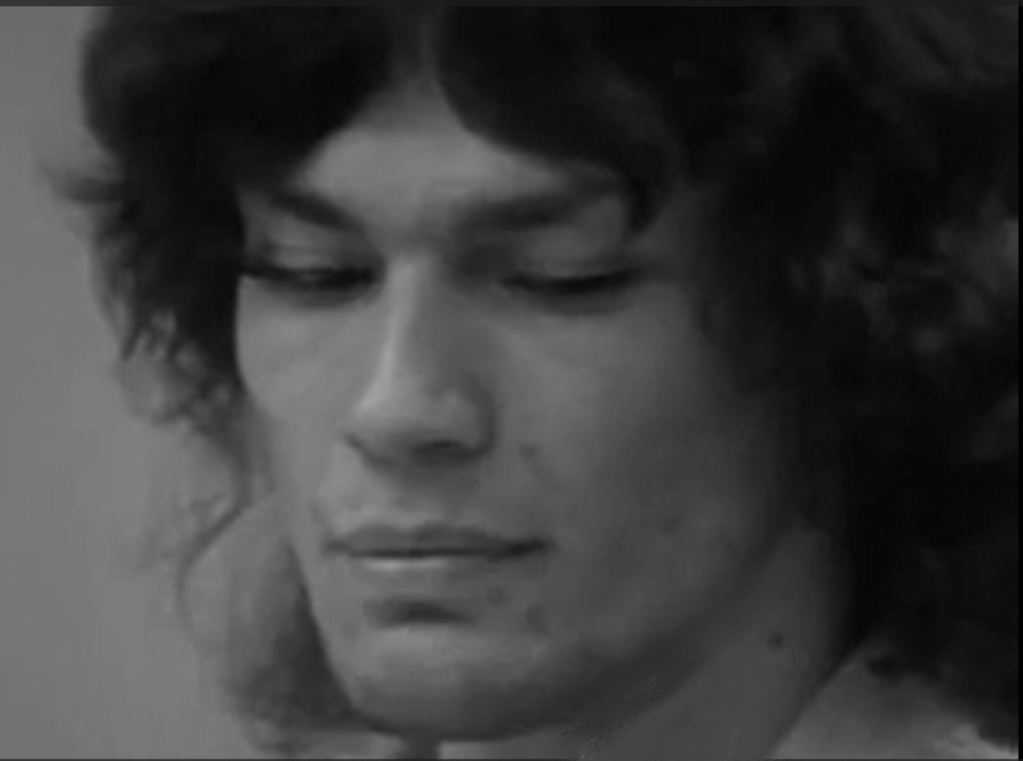
Ramirez at one of the San Francisco Hearings -
Richard Ramirez: The Wells Report
Jane Wells was a clinical psychologist that specialized in forensic psychology. She was retained by post-conviction counsel for Richard Ramirez to evaluate his psychological status, the effects of the trauma he experienced, his social history, and cognitive functioning and to form an opinion regarding the significance of these factors on his overall functioning. To accomplish this task, she reviewed all available records about Ramirez’s educational and medical background, the 1976 El Paso Guidance report, juvenile court records, Texas Youth Council Commitment, and the declarations of Dr Robert Schneider, Dr William Vicary, Dr Dietrich Blumer, Dr Dale Watson, and Marilyn Cornell. She also spent time with and interviewed Ramirez on multiple occasions in 1999 and 2000. When Wells evaluated Ramirez, he was 38 years old and had been incarcerated for 13 years.
Jane Wells’ findings were basically in agreeance with every other professional that evaluated Ramirez throughout his life, so I will not repeat everything she said, but refer the reader to previous posts. I will reiterate that she determined he suffered from brain damage that impacted his cognitive functioning, causing attention and concentration difficulties, and that he suffered from multiple mental health illnesses.
Wells determined that this traumatic event triggered symptoms of psychosis in Ramirez. Wells last saw him on June 23, 2000, and she stated he continued to exhibit signs of psychosis, and was suspicious and guarded. He repeatedly attempted to deflect attention from himself.
“At the time of my last session with petitioner on June 23, 2000, he exhibited disorganized speech, loose associations and notable difficulties in concentration and attention. For example, he rambled about a wide variety of unrelated subjects and persistently refused to answer questions in a direct manner. He was unable to express his thoughts in a logical and coherent manner. He reported olfactory hallucinations in that he described smelling a copper odor from time to time that he believed was a result of a misfire in his head.” He further stated that he believes he has ‘ESP’ [extra sensory perception – a sixth sense]. All these symptoms are consistent with psychotic symptomatology.”
– Declaration of Jane Wells, Document 7-22.
Wells further described how the multiple systems Ramirez had contact with during his formative years failed to provide necessary, appropriate treatment or rehabilitation. The following is a summary of her findings:
Ramirez was treated for epilepsy with the medication Phenobarbital even though it caused him to be agitated, sleepy, and unable to concentrate in school. At the onset of the seizure disorder, Ramirez began to struggle and fall behind in school. Nothing in his medical or school records indicates any academic interventions or plans were put in place to assist Ramirez with his schoolwork or overall functioning. Instead of being provided with assistance to get on track with school, Ramirez was expelled multiple times for truancy.
According to neurological records, as a child petitioner suffered from temporal lobe epilepsy and was prescribed Phenobarbital is an anticonvulsant that suppresses the central nervous system. Dr. Schneider’s notes reveal that petitioner experienced behavior problems while taking prescribed medication; he was agitated, sleepy, and unable to concentrate in school. (Despite petitioner’s complaints, he was prescribed and continued to take phenobarbital). According to the literature, phenobarbital should not be prescribed for patients who are depressed because the drug can worsen depression“
– Declaration of Jane Wells, Document 7-22.
In 1975, he witnessed cousin Miguel shoot his wife and received no treatment or counseling. Wells said:
“As if the damage and traumas thus far were not enough, petitioner was exposed to an extremely traumatic incident involving a shooting by his cousin, Miguel Valles. At the age of 15, petitioner was severely traumatized after witnessing the aftermath of the shooting by his cousin of his wife, Josephina. For petitioner, the trauma also triggered symptoms and behaviors consistent with psychosis.”
– Declaration of Jane Wells, Document 7-22
In 1977, Ramirez was confined to a state youth facility, Texas Youth Council. He received no guidance or treatment while at this facility. See this post about the failings of the TYC.
Ramirez was arrested for the Night Stalker crimes on August 31, 1985, and he spent four years awaiting his trial. In the Los Angeles County Jail, he was subjected to a volatile, overcrowded, understaffed environment that provided no necessary medical or mental health treatment. Wells stated this environment fueled his already disordered thinking leaving him unable to function properly or participate in a meaningful way in the Los Angeles criminal proceedings.
“Given the chronic course of these serious mental disorders, it would be very unlikely for Mr. Ramirez to have developed these symptoms recently. It is probable that at the time of trial, Mr. Ramirez exhibited these same symptoms, which should have been readily apparent to a competent mental health professional or expert who had adequate and accurate background and life history information concerning petitioner. Mr. Ramirez’s multiple disorders were readily apparent from the details of his psychosocial history, and available through the TYC records, the statements of experts who had earlier evaluated him, in the evidence of his childhood and exposure to violence, and other
information that could have been presented on petitioner’s behalf to explain and mitigate the evidence presented against him at trial.”– Declaration of Jane Wells, Document 7-22
So again, we have another professional that testified to Ramirez’s inability to rationally and reasonably be involved in the case against him. At this point, the findings of every expert that evaluated Ramirez have become entirely redundant.
“Not only is the evidence of petitioner’s mental disorders and dysfunction clear, but it was known that he suffered from these disorders at the time of trial. He was mentally incompetent at the time of trial, as indicated by Dr. Blumer in his declaration. His dysfunction and impairment implicated the full panoply of his constitutional rights including but not limited to, his capacity to form the requisite mental state, his mental competence to waive rights, including the right to conflict-free, competent counsel, to stand trial and to a penalty trial, or to aid and assist counsel.”
– Declaration of Jane Wells, Document 7-22
Just how many psychiatrist needed to testify that Richard Ramirez suffered from a myriad of physical and mental health issues, before the legal system would accept the findings of the multiple experts that Richard was unable to participate and rationally assist with his case?
Some individuals presume to know more about Ramirez, his physical and mental health and functioning than the multiple experts that spent hundreds of hours with him and poured over volumes of information regarding his physical and psychological state as far back as 1970. They continue to perpetuate lies about Ramirez’s alleged confession and his superb criminal mind. They profit from this narrative, so why change it?
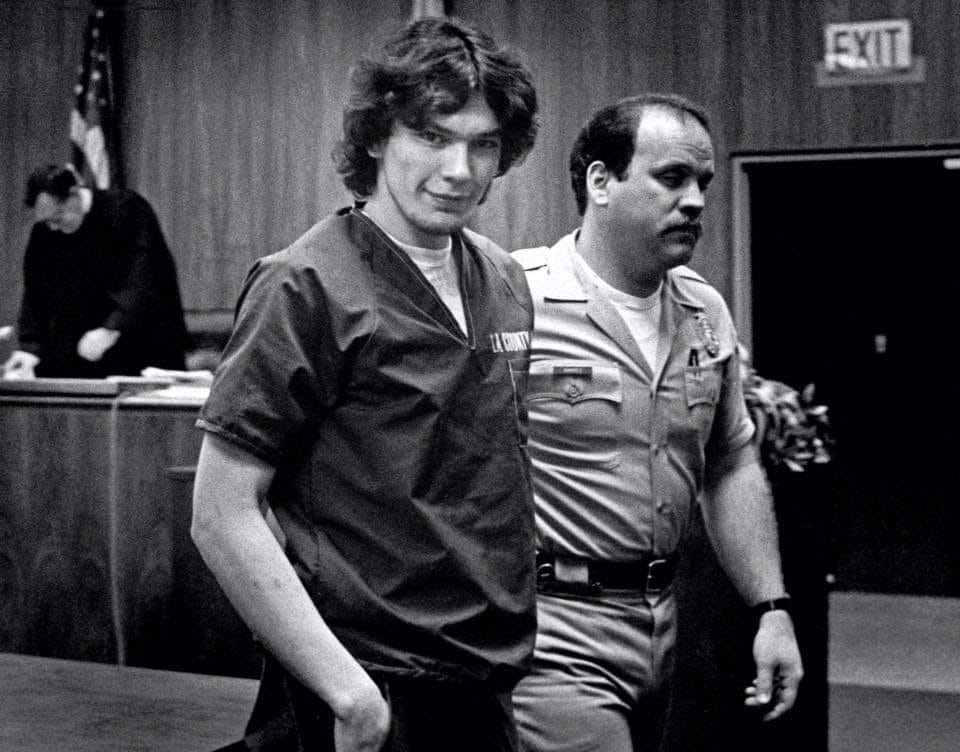
KayCee
-
Native American Tattoo?
Here is Gil Carrillo, recalling how Anastasia Hronas – the little girl who was allegedly sexually abused by Richard Ramirez – remembered seeing an “Indian headdress tattoo” on the arm of her kidnapper.
‘George Lopez, Gil Carrillo, and the Night Stalker on Netflix’ from YouTube podcaster J R. That is an amazing lead. But Richard Ramirez had no such tattoo. Carrillo insists Hronas actually saw a pentagram pen drawing, which obviously looks very different to a Native American headdress. By claiming all she saw was a star inside a circle relies on the idea that an intelligent child could not identify and describe a star.
As ever, there is something wrong with other details pertaining to this crime. 1985 newspapers warned the public about a suspect whose appearance does not match Richard Ramirez. They described a man ten to twenty years older and of short to medium height. From the Arcadia Tribune, 30th June 1985:
From the Los Angeles Times 30th June 1985:
From the Orange County Register, 8th September 1985:
In the Orange County Register, Anastasia described being taken to a “beat-up blue motel”. The Arcadia Tribune said it was a hotel or an apartment. On Night Stalker: the Hunt for a Serial Killer, Anastasia appeared, recalling a dirty house with a chainlink fence and large snarling dogs. It feels as if police were not listening to this child properly – surely a blue motel, like the tattoo, is a promising lead. What happened to Anastasia Hronas was terrible, but as for Ramirez’s guilt, the facts seem to be at variance with the claims of Detective Carrillo.
Furthermore, witnesses at the line-up, including children, were coached by a police officer to choose suspect number two: Richard Ramirez. Carrillo acts amazed that Anastasia chose Ramirez straight away. She was almost certainly among the group of children being coached.
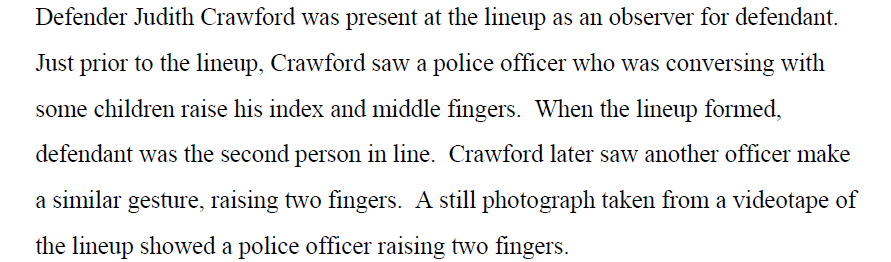
From Richard Ramirez’s automatic direct appeal S012944 Apologies if the video is out of sync!
-VenningB-
30th July 2023
Further reading about the abductions here.





 Expendable For A Cause.
You must be logged in to post a comment.