
*some images are best viewed on a desktop, due to size*
“I don’t need to hear all of society’s rationalisations. I’ve heard them before, and the fact remains that what is, is.”
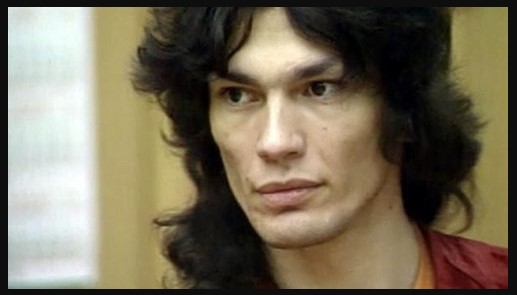
Richard Ramirez
Why?
We did not wake up one morning and decide to start writing about this case, it was a slow realisation that, after months of reading, researching, trawling through news archives, and asking questions, there was something dreadfully wrong with the “Night Stalker trial”. The books, the ridiculous documentaries, the endless podcasts, they wallow around in blood, embellishments, and inaccuracies, and they all have one thing in common – apart from seemingly revelling in the gore, and not caring about facts. No one seems to want to acknowledge the obvious; the trial was unfair.
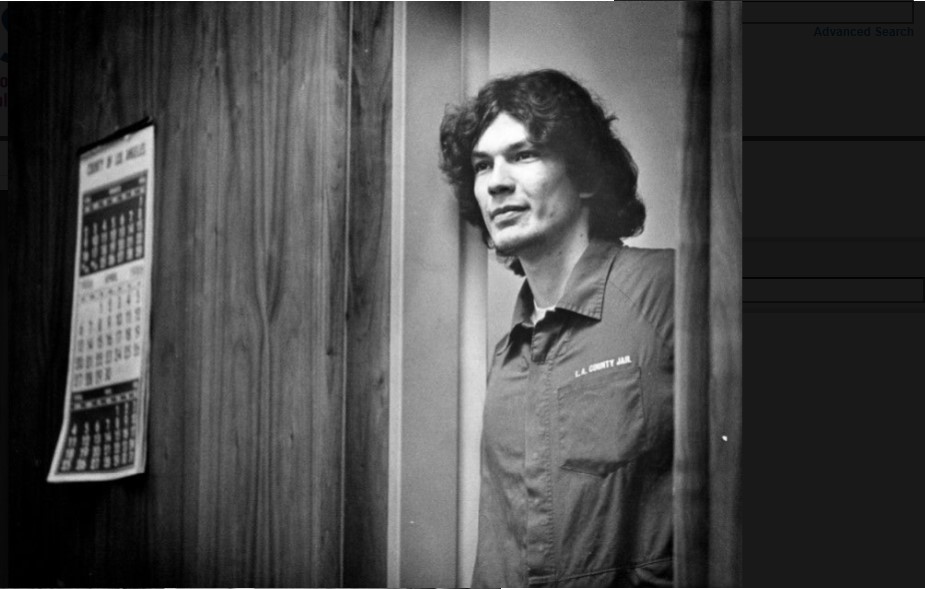
There are two sides in every argument, two sides in every case — the prosecution and the defence. Pretty obvious, right?
The biggest, most infamous, media-soaked trial of the 1980s was a joke. A bad one, and no one is laughing.
What’s the point, he’s dead!
As if we didn’t know, but seeing as Richard was filing status updates two weeks before he died and had scheduled a meeting with lawyers for August 2013, it evidently mattered to him.
I will repeat this one more time, although it has been explained on the home page. The Federal Petition of the Writ of Habeas Corpus is not about guilt or innocence. That is not their purpose. Neither are they automatic, unlike review on direct appeal. Their purpose is to investigate whether a person’s incarceration is lawful under the US Constitution.
The most common ground for relief (release from custody, in the case of habeas corpus) being whether a conviction was based on:
- Illegally obtained or falsified evidence. Below is one such example.
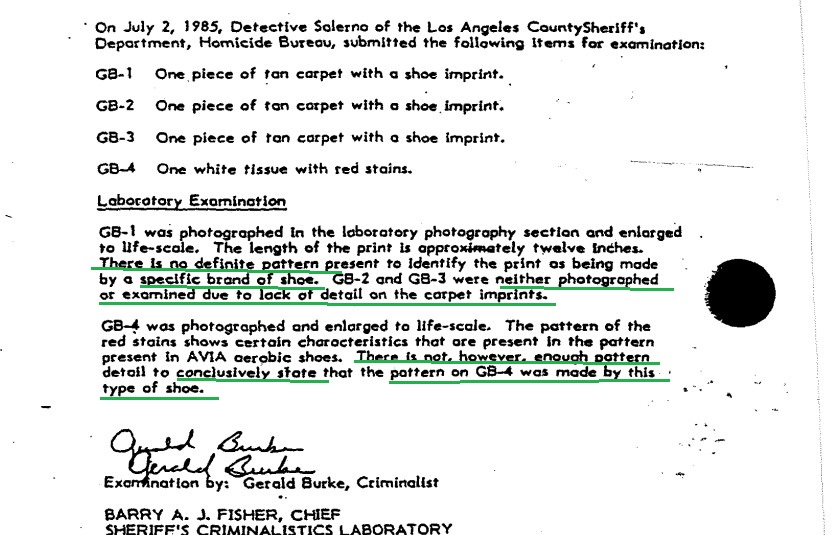

Ms DiMeo explains how the prosecution tricked the jury into believing there were discernible shoeprint impressions, underneath a transparent overlay of an Avia sole, attached to a photograph on the in-court display.

- Denial of effective assistance of counsel, which we have covered on more than one occasion.
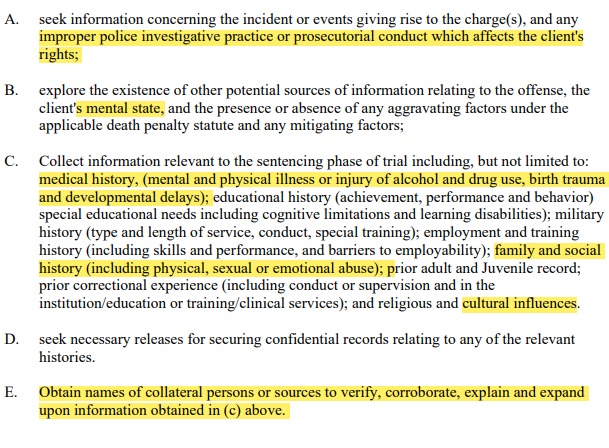
“When the courts are not likely to provide proper enforcement of the rules sua sponte, attorneys must seek to enforce the rules else their clients will die.
Californian Law Association.
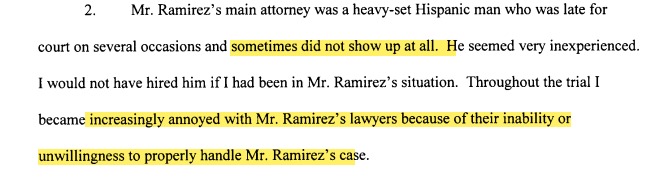
- Conviction by a jury improperly selected and impanelled.


That is a just two juror declarations; there are more. Regular readers will know that we have provided examples of court violations throughout this site.
“You’re not the FBI!”
Yes, we know; we’ve never made that claim.
Every defendant brought to trial is supposed to have an effective assistance of counsel, that is (funnily enough) how it works. Or how it’s meant to. Defence counsel are duty bound to investigate and develop strategy to fight prosecution charges. For Richard Ramírez none of this happened he had no defence to speak of, leaving him virtually undefended in a trial that culminated in him receiving nineteen death sentences.
A proper defence team would have been able to show how flawed and inaccurate the evidence against him was, and how weak. A conflicted defence team ignored his mental impairments, as it devalued his marketability, and the trial court, fully aware of this, did nothing to stop it.
In this blog, we have merely presented and laid out the defence as developed by his habeas lawyers, the defence he should have been given in 85-89, but because he was poor, and his lawyers at trial, hopeless, inexperienced, and downright rubbish; a defence he never received. Later, some of the jurors and alternates made statements in which they, too, questioned the fairness, and lack of defence. That in itself, is shocking, especially as they returned the “guilty” verdict knowing this.
Richard’s case is a famous one, but this miscarriage of justice is not limited to only him. Carlos DeLuna, another Hispanic man, poor, with a shoddy defence team, was horrifically executed for a crime he did not commit. One glance at the Innocence Project tells us that this is happening all too often. Law enforcement, the courts, do this all the time, through coercion and false evidence. The system is broken.
In the trial of Richard Ramirez, bizarrely, the onus was never on the prosecution to prove guilt, the media had already done its work, and the denial of a change of venue, coupled with a non-sequestered jury, resulted in the problematic reality of a case where the defence had to prove his innocence, which they catastrophically failed to do, through their own incompetence. These are themes that we return to time and again, and remain at the heart of this blog.
- Unqualified, incompetent defence
- False and misleading evidence
- Failure to investigate mental competency
- Failure to challenge evidence
- Denial of venue change
- Denial of motion to sever charges
- Media influence
- Non sequestered jury
- Unreliable eyewitness testimonies
- Failure to defend charges
- Hiding of possible exculpatory evidence
For some, Richard Ramirez and this trial, have provided (and continue to do so) a meal ticket, fame, and a never-ending round of media appearances.
When weighing up evidence, there is a choice.
“The State, in its zeal to convict the petitioner, presented evidence that was false and unreliable”
Writ of Habeas Corpus
You decide what you believe.
(Originally written and published 27th February 2023)
~ Jay ~


 Expendable For A Cause.
Leave a reply to N. S. Cancel reply