Where the “Night Stalker” began: The Murder of Dayle Okazaki

By Venning

The story the public is familiar with: on 17th March 1985, Richard Ramirez entered the garage of 22-year old Maria Hernandez and shot her. He proceeded into the condominium and shot Maria’s housemate, 34-year-old Dayle Okazaki, in the head. Ramirez departed without taking anything but left his hat behind, and for reasons unknown, spared Hernandez when he realised that she had survived. He left in a hurry to murder Tsai-Lian Yu, nearly four miles away. But there might be more to the story.

The Attack

On the night of March 17, 1985, Maria Hernandez returned home via the garage at the rear of the property, for which an automatic was triggered upon entry. Once inside, she pressed a button to close the garage door and headed for the internal door to the property. She heard an “undistinguishable” noise; later attributed (by Detective Gil Carrillo) to the sound of her attacker slamming his hand on one of the cars to attract her attention.

Twenty feet away stood a man, who pointed a “blue steel” gun at her face, held with both hands at his shoulder height. He advanced upon her and fired. She reflexively raised her hand to shield her face, as the automatic light went out and the bullet ricocheted off her keys. The force of the shot sent her falling to the floor. The shooter walked past her into the house, pushing her body aside with the door as he did so.

Hernandez staggered out through the garage door and tripped over, at which point she heard another gunshot. Still bleeding from her hand, she ran down an alley next to the property and out onto the street, where she saw the attacker leaving via the front door. He spotted her and aimed the gun at her. She pleaded for him not to shoot her again; he obeyed, lowered the gun and walked off into the night. Hernandez re-entered the property to find Dayle Okazaki lying face down. She called 911.

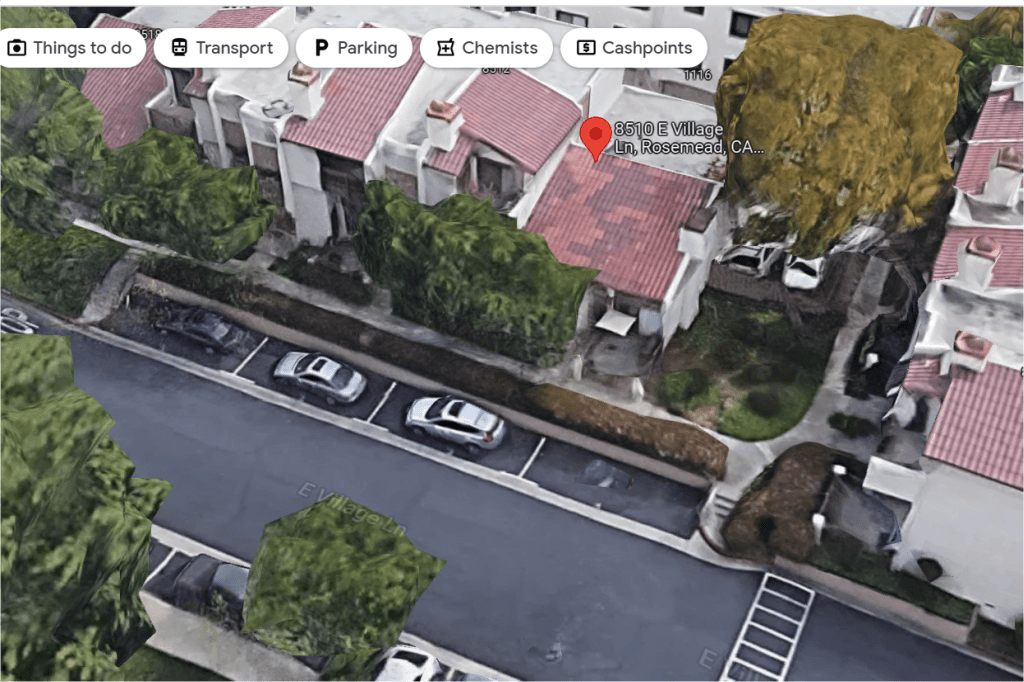
Below are Google Earth images of their condo, this is the front, where Hernandez saw the attacker exiting. She was walking west (towards the right of this image) and he was walking east (left in this image). Note that you cannot see any street lights.
Below is the rear of the property and the lane/alley that runs behind the houses.
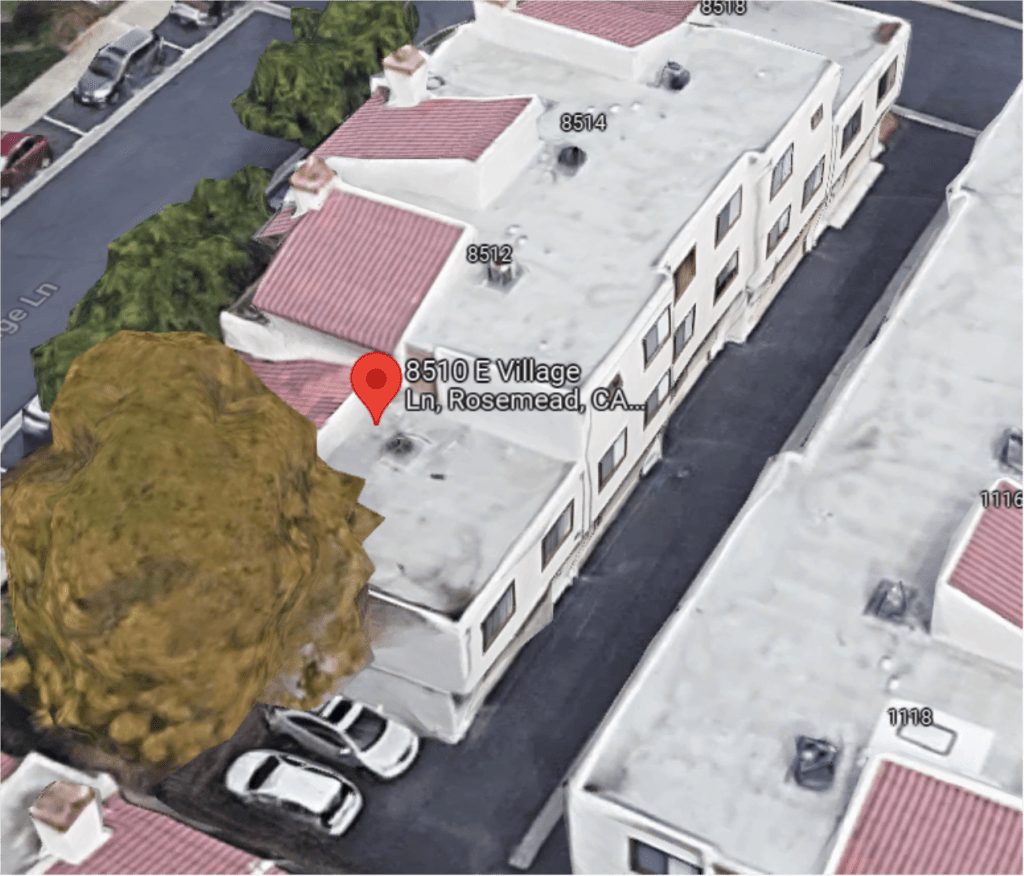
Deputy Sheriff Powell arrived. The report in the petition says 10:54pm, but this is possibly a typing error or Maria misspoke at trial which was reflected by the transcripts – she testified that she returned at 11:30. Police documents are more likely to have the correct time, so presumably 10:54 is correct. An “unidentified witness” told Powell that the suspect was a white male. (Habeas Corpus pg. 47). The witness is never mentioned again and did not testify at the trial.

Detective Gil Carrillo arrived at 12:20am and noted that the garage light remained on for just 8 seconds. It was originally supposed that Maria Hernandez looked at the gunman for all eight seconds, but in recently unearthed court motions, it was revealed that she only saw him for two seconds.
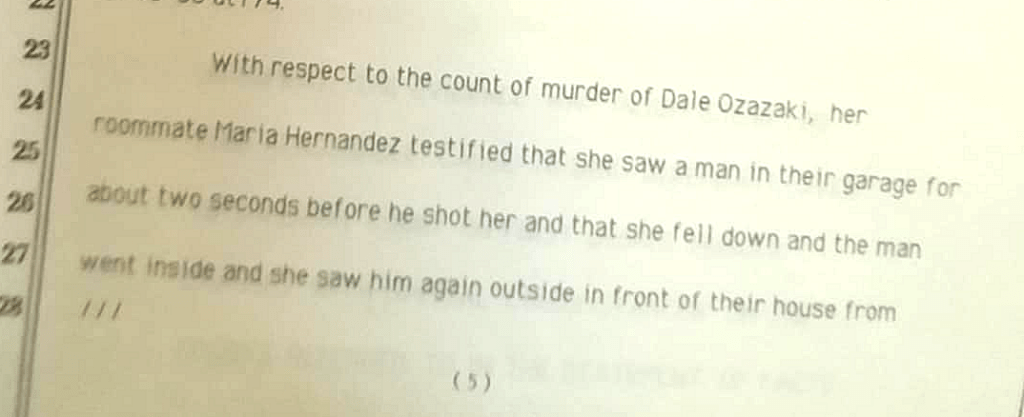
Document found in Los Angeles Hall of Records

Evidence at the scene

  • An AC/DC baseball cap just inside the garage threshold.
  • Fingerprints inside the property.
  • A heavily distorted .22 bullet extracted from Dayle Okazaki’s skull.
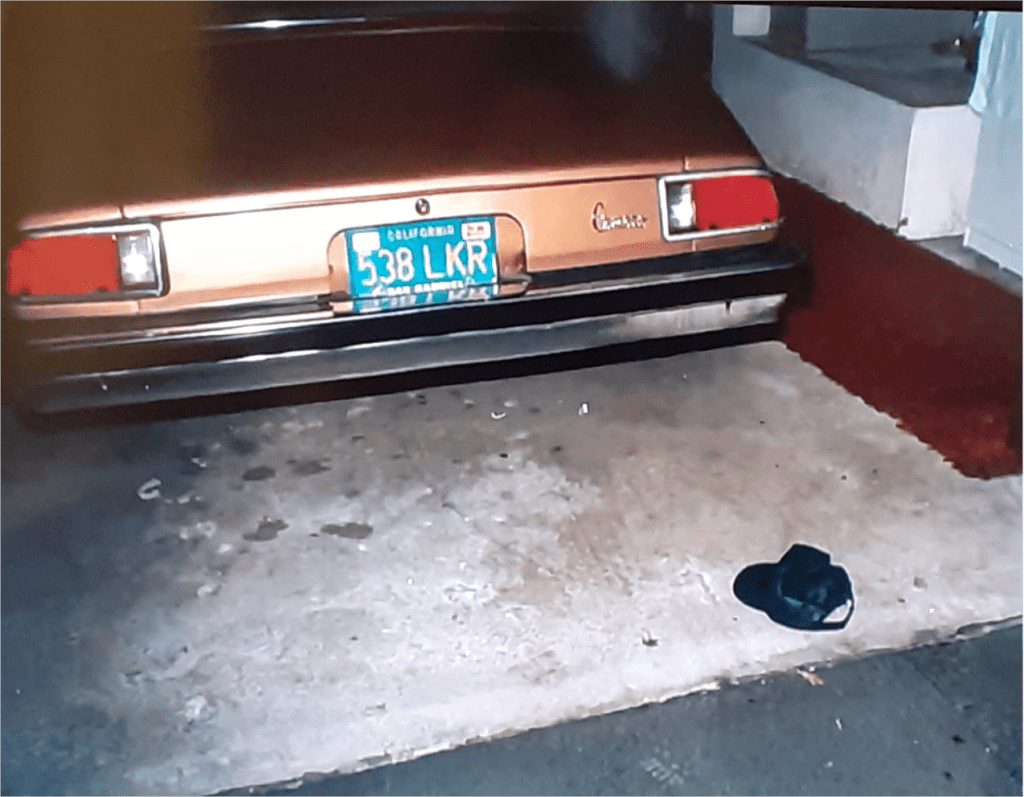
The AC/DC hat in the garage.

The First ‘Night Stalker’ Witness Identification

At the hospital, Maria Hernandez told Detective Carrillo that the attacker was either a light-skinned Caucasian or Mexican male with brown eyes and a “very determined look on his face.” She estimated that he was between 5’9” and 6’1.

Hernandez stated that her assailant was wearing a black “Members Only” type jacket over a white shirt, but that she cannot remember whether the attacker was wearing a hat or not – but if he was, it was dark. Below, Hernandez’s April 15, 1985 police statement from Habeas Corpus Document 20-3.

It seems that Hernandez was asked a leading question because Carrillo had found an AC/DC hat. She did not remember the hat independently. If the gunman was wearing it, would she not have remembered its distinctive logo?

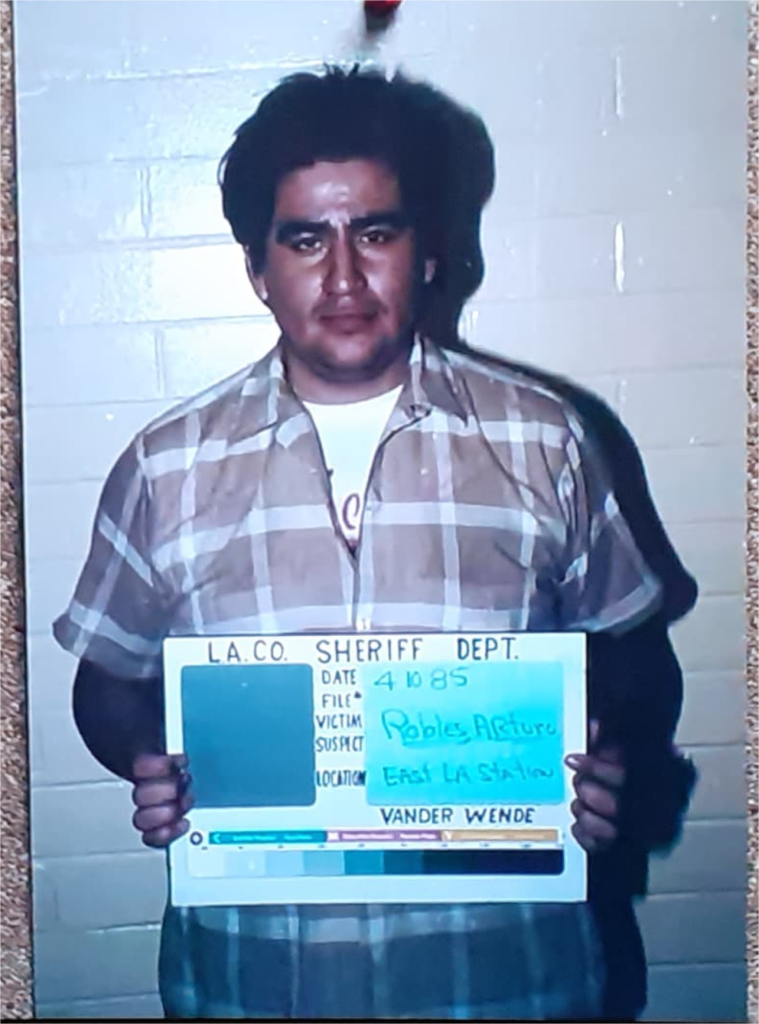
Maria Hernandez attended two line-ups in April and July 1985 and she was unable to identify any of the men as the murderer. Detective Carrillo showed her two photo spreads, each with six images of suspects, none of which was Richard Ramirez (who had not been arrested at this point). Maria chose one suspect from each of the spreads. In the 2021 documentary, Night Stalker: The Hunt for a Serial Killer, viewers were shown one of the suspects: Arturo Robles.

Arturo Robles was accused of stalking young women – Carrillo claims they were minors – and his house was raided. Police discovered he owned a Members Only jacket as well as swathes of pornographic images of women. Detective Carrillo claims there were torn women’s underwear too, but Robles denies this. Indeed, a copy of the search report shown on Netflix does not list them as items found, so there is no evidence for Robles’ underwear slashing hobby. Nevertheless, the police declared that Robles was “a freak, but not your freak” and Hernandez did not recognise him at the line-up. Our book discusses the Arturo Robles aspect in more detail.

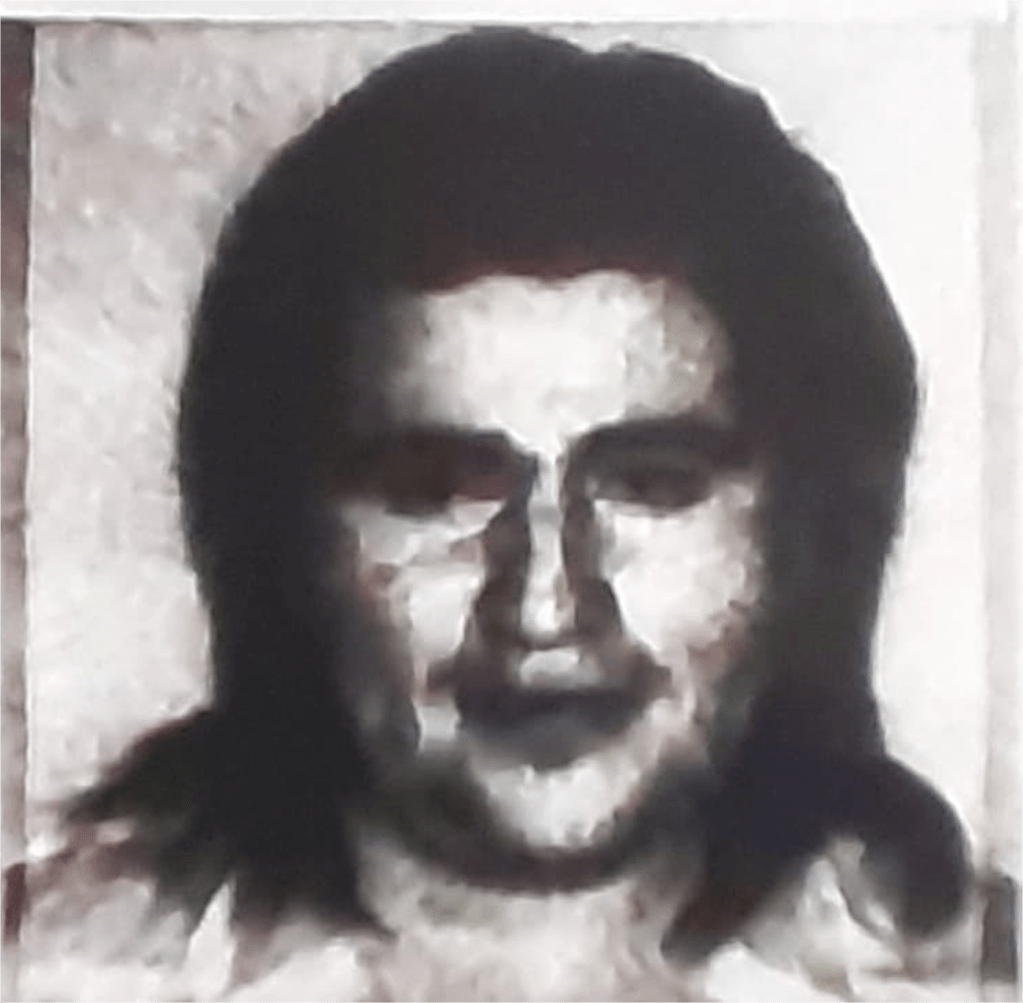
Maria Hernandez assisted Deputy Mahlon Coleman to create a drawing of the suspect below.
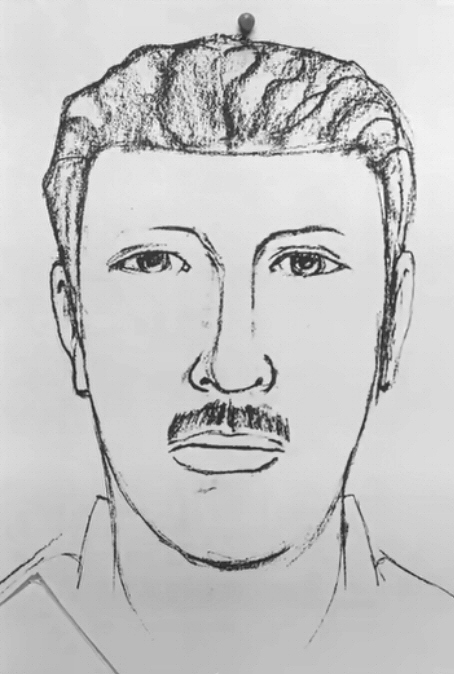
Later, a second sketch was released wearing a cap.
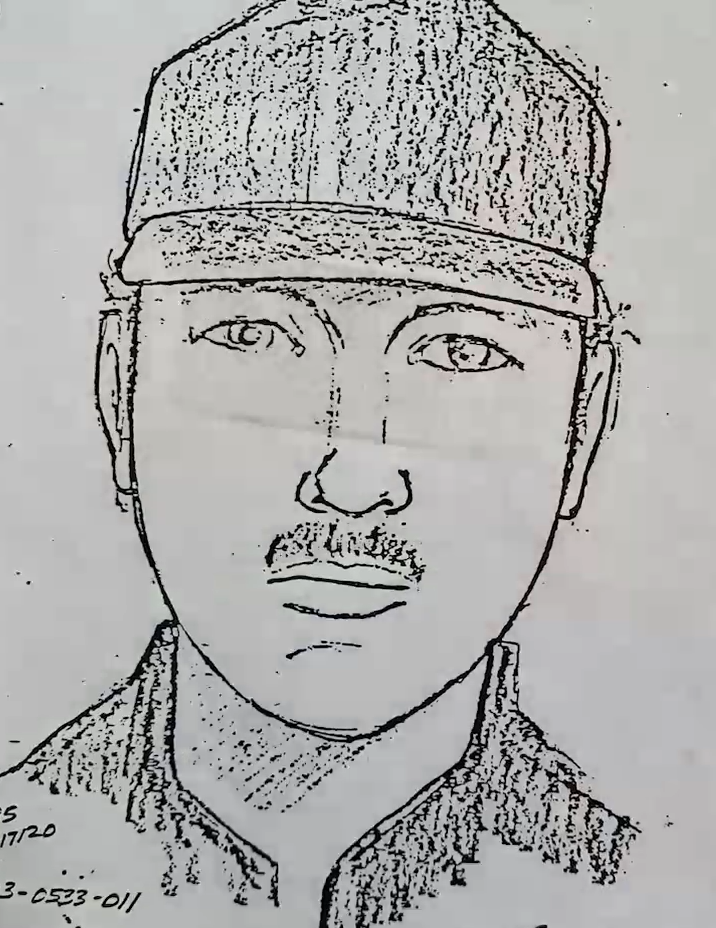
When Ramirez was named as the prime suspect, his face was shown on the news up to five times per day and was displayed on the front page of all the newspapers, complete with a description of him, spreading false information that all the survivors had described the killer this way.

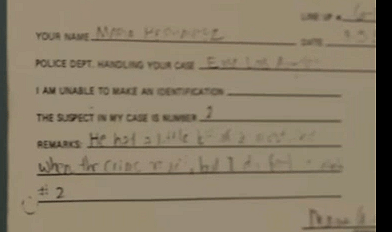
Hernandez attended a live line-up after Ramirez’s arrest. Ramirez was suspect Number Two, and she wrote “2” on her card. However, an officer was filmed holding up two fingers to encourage witnesses to pick Suspect Two. Below is video evidence.

A brief glimpse of Maria Hernandez’s line-up card can be seen on the Netflix documentary. While it is difficult to see, it states, “He had a little beard and moustache when the crime [illegible] but I do feel it was 2.”
Ramirez’s 2008 appeal revealed that Hernandez admitted to Detective Carrillo that she did not recognise Ramirez from his 1984 mugshot that was shown in the media.

“Hernandez told Carrillo after the September 5, 1985 live line-up that when she first saw Petitioner on the news he did not look like the suspect.”

– Habeas Corpus, pg. 128.

At the 1986 preliminary hearing, Maria Hernandez admitted that she saw the television reports and newspapers and discussed the case with friends and family, including on the day before Ramirez was arrested. She did not associate ‘Richard the Night Stalker’ with her own attacker. She did not recognise Ramirez as her attacker when she saw his mugshot.

However, at the trial, she claimed she could not remember saying this at the hearing.

“At trial, Maria Hernandez did not recall stating at the preliminary examination that Petitioner did not look like the composite drawing she helped to prepare. The picture of Petitioner that she first saw on television did not look familiar.”

– Federal Habeas Corpus petition 2008, pg. 49.

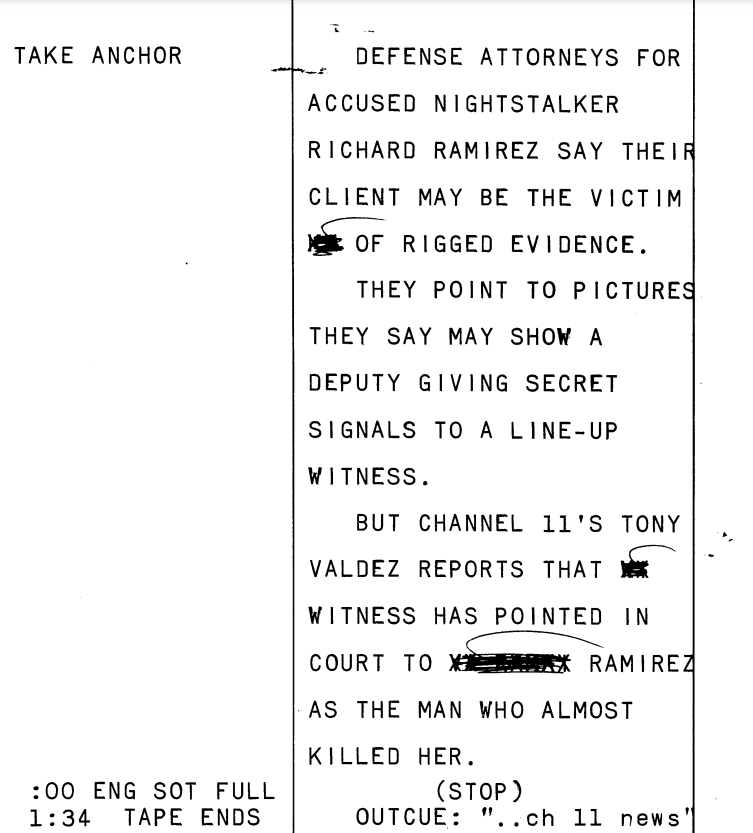
According to news report transcripts, Ramirez’s defence raised the evidence that the line-up was rigged with the officer signalling them to choose Ramirez, but this was dismissed because Hernandez had identified him.
At the pre-trial hearing in April 1987, Maria Hernandez identified Ramirez for the third time. However, she admitted she relied on seeing his face in person at the court, because she could not identify him from memory.

Ramirez’s defence attorneys failed to cross-examine Maria Hernandez for her weak witness identification, and the fact that she identified Ramirez regardless. They should have questioned how much the media had influenced her, her state of mind – shock distorts memory and perception. They should have highlighted the poor viewing conditions – she only saw him for two seconds in the garage and the second time she saw him it was outside in the dark.

In cases that involve witness identification, the defence should bring a psychologist as an expert witness, who will inform the jury of the factors that can negatively affect the victim’s perception and memory. They retained the estemed expert, Dr Elizabeth Loftus, but failed to brief her on the specifics of each case. The result was that the jury was bored – it was too academic and irrelevant.

“However, the defence failed to competently establish that Hernandez’s eyewitness testimony was unreliable. In closing argument trial counsel weakly observed: “Hernandez’s identification of Petitioner was of insufficient certainty to tie him to the crime.”

– Habeas Corpus, pg. 419.

Thus, Hernandez’s ID of Ramirez was inconsistent, influenced, and undermined by both her own doubts and police conduct.

Forensic Evidence at the Crime Scene

Fingerprints that did not belong to Ramirez were found at the scene. During the 1986 hearings, news report transcripts state that Detective Carrillo, while under cross-examination, “reluctantly conceded” that the prints were not his. From Document 19.13:
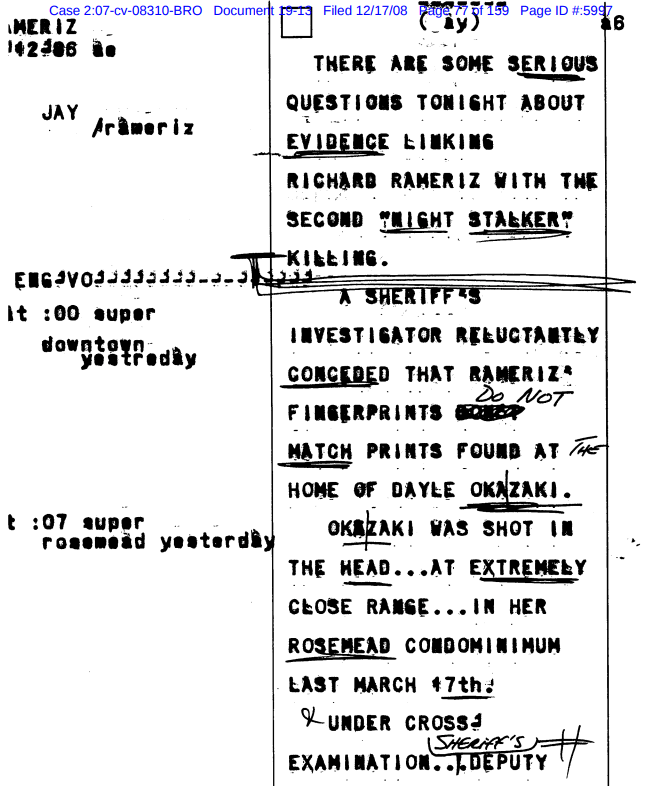
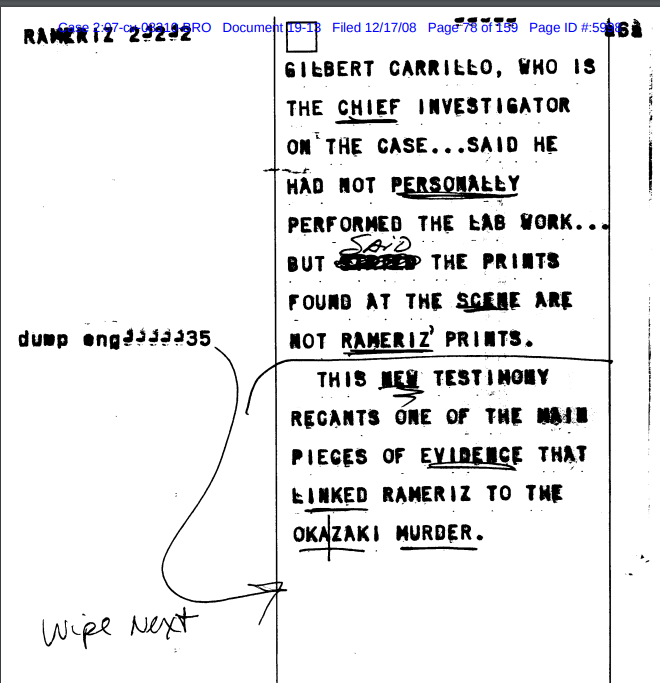
Note that in the second news transcript, it says “wipe next.” Could this be evidence that the news media was deliberately downplaying the fact that no evidence could conclusively tie Ramirez to that crime scene?

Firearms Evidence:

The prosecution presented weak ballistics evidence. In March 1985, the first firearms expert, Sergeant Robert Christansen, could not confirm that the same weapon was used in the Yu incident on the same night. This is because the bullets were between 60% and 75% mutilation.

From Habeas Corpus document 7.20

By the time of Ramirez’s arrest, Christansen changed his mind but does not explain why. From the affdavit, Habeas Corpus Document 7.4:

In August, a second firearms expert, Sergeant Robert Hawkins, concluded that not only did the Okazaki bullets match Yu, but also the Kneiding murders on 20th July. (Habeas Corpus document 7.20).
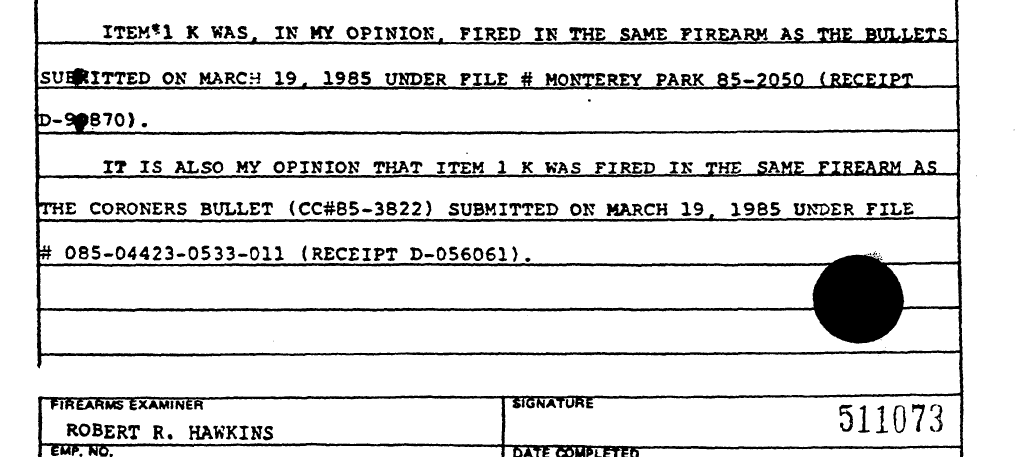
Hawkins is referring to the Okazaki murder and Tsai-Lian Yu’s murder on the same night.

The problem was, Christansen and Hawkins listed different brands of revolver as the potential murder weapons. Furthermore, Christansen originally believed the Kneidings were killed with a .25 ACP pistol and not a .22 long rifle revolver, the assumed weapon in the Okazaki crime.

Ultimately, the prosecution used a different firearms examiner, Edward Robinson, who claimed – without demonstrating how – that Okazaki, Yu and the Kneidings were killed using the same .22 calibre revolver, supporting Hawkins over Christansen. However, the murder weapon was never recovered from any of these three crimes. This means it was impossible to accurately test fire bullets. How can they be too distorted to make meaningful comparison on minute and conclusive proof the next?

Ramirez’s defence managed to contact their own firearms expert, Paul Dougherty but neglected to communicate with him thereafter.

Worse, they conceded the prosecution’s evidence: “you have to assume their evidence is correct.” When contacted by Ramirez’s appeals team, Paul Dougherty’s verdict was that the ballistics needed retesting.

“In 1986, I was hired by attorney Daniel Hernandez to conduct examination of ballistics evidence in the Los Angeles case … However, my work was terminated because counsel failed to communicate with me I requested to be provide with the physical evidence, or that counsel made arrangements for me to view the evidence at the sheriff’s lab. As a result, I was unable to reach any conclusions or findings about the evidence.”

– Declaration of Paul Dougherty, Document 7.20.

The Hat:

The AC/DC cap found just inside the garage was thought to have fallen off the gunman’s head as he bent down to enter. Richard Ramirez was a fan of AC/DC and may have owned an AC/DC cap at some point – according to associates – but it was never established when they last saw him wearing it. Neither the defence nor prosecution had the hat tested for PGM markers in sweat. Brian Wraxhall, the defence’s special master, never received it in the evidence box in time for the trial.

The AC/DC link was sensationalised by the media who were under the grip of a moral panic related to Satanism – references to it were believed to be in rock music. However, Ramirez could not have been the only AC/DC fan in Los Angeles, and it must remain as circumstantial evidence – especially as the suspect did not even look like him. A month after Ramirez was arrested, a woman in Orange County was shot in her home by a man in an AC/DC cap.

Prosecutor Halpin and His Bad Faith Arguments

In a desperate attempt to connect Dayle Okazaki’s murder to other Night Stalker crimes, and to establish a modus operandi for the random and varied nature of the attacks, the prosecutor, Philip Halpin, argued that this was a burglary, despite nothing having been stolen. More accurately, Halpin claimed this was a failed burglary; that Ramirez had intended to burgle but was disrupted.

However, he neglected to establish the perpetrator’s intent or how he was disrupted; he obviously was not disrupted by Maria Hernandez arriving in the garage – he made no attempt to escape after being caught, shot her and left her for dead, before continuing upstairs to shoot her housemate. If the killer’s intent was burglary, he could have continued after murdering Dayle Okazaki, but he left immediately, carrying nothing but the murder weapon – Hernandez saw him.

The case against Richard Ramirez in the attack on Maria Hernandez and murder of Dayle Okazaki was built on shaky ground. Eyewitness identification was inconsistent and potentially influenced by media saturation and suggestive police tactics. Physical evidence, such as fingerprints and ballistics, failed to conclusively link Ramirez to the crime scene. Prosecutors made speculative claims about motive, while the defence failed to challenge flawed evidence and witness testimony with sufficient rigour. This was a grave miscarriage of justice.

1st Oct 2022

81 responses to “Where the “Night Stalker” began: The Murder of Dayle Okazaki”

  1. My question is where is the hat now? Was it brought out at the trial?? Too many questions left unanswered.

    Like

    1. Someone must have it. I don’t even know if it was displayed at trial, as I can’t find anything in the documents yet. Also the criminal associates who said he wore such a hat are hardly reliable and the woman on the documentary who claimed she saw a man buy it, while looking like an “evil clown” was pointless information – it could have been anyone. He cannot have been the only AC/DC fan in Los Angeles.

      Thanks for the comment!
      – VenningB

      Liked by 2 people

    2. Yes the hat is still available, they did a fox news special not too long ago with the evidence of richard trial still in the evidence department. The Harry was there I saw it on the clip. They were going to throw it away but decided not to, prosecutor said they might sell to a museum.

      Like

      1. I think I know the one you mean. They had his dental cast as well. I’d love to look in that evidence box…

        Liked by 1 person

      2. Sell making it look like as if it was his ball cap.. not having a damp of proof from the sweat whom ever could of owned it. If anything Gil and the guy Frank were the Clowns in this case. Poor RR didn’t stand a chance. So unfair not just to Richard but his Family.

        Liked by 2 people

      3. Because the hat was just on the threshold of the garage, it could easily just have been kicked under there by a roadsweeper or a neighbour. It doesn’t necessarily have to have come from the killer.

        In my opinion, because even the prosecution didn’t have it tested, it should have been disregarded. I guess they only kept it because Richard was a fan of the band but then so are millions of other people.

        Liked by 2 people

  2. Excellent article with compelling information that demonstrates that Richard Ramirez didn’t kill Dayle O. Or injure Maria H. Thank you for researching this and presenting this information. It’s time the world knows the truth.

    Liked by 2 people

    1. Thanks; I can’t believe how bad the identification ‘evidence’ was and how the suspect changed his appearance so drastically every time. See also my other article that points to this murder and the Yu case being the other way round. There’s no way he did any of those on that night. No way. It defies physics.

      Like

  3. Jennifer Hansol Avatar
    Jennifer Hansol

    Wow it’s insane they didn’t test the hat. Is it still in evidence for example are they now too scared to test it incase the results don’t reflect their opinion I wonder…

    Liked by 2 people

    1. I wonder. I don’t know how long sweat lasts on material, but surely with advances in DNA testing, it would be easy? I reckon they’d probably never test it because they don’t want him exonerated, which is leaving a murder victim without justice…

      Like

  4. […] Maria Hernandez also said the killer might have also been Caucasian, as did Sophie Dickman in her initial police report, before changing him to Richard. If only the […]

    Like

  5. […] had linked it to the other murders, just because it occurred on the same night as another – Dayle Okazaki, almost 4 miles […]

    Like

  6. […] The Murder of Dayle Okazaki Tsai-Lian Yu: Murder, Medallions & Morphing Suspects […]

    Like

  7. The hat…I don’t think it has writing on it at all. It certainly must have been a very small logo if it did. I know it’s turned sideways but even so…Is there a front pic anywhere of the AC/DC hat they used as evidence?

    Like

    1. There is indeed a picture of the hat floating around the internet somewhere, on top of a bust; the logo is printed on like a decal. The hat actually still exists with other evidence, but was never tested and the DNA is probably contaminated and degraded now.

      Like

  8. […] As you can see, the police aren’t looking for anyone that looks like Richard Ramirez and neither composite looks like him. Furthermore, the two perjurers Jorge Gallegos Calderon and Joseph Duenas said Yu’s killer was short and Asian. In the Okazaki case, Maria Hernandez was unable to properly identify the gunman. […]

    Like

  9. […] of compromised identification, take a look HERE and perhaps HERE, or even HERE for more examples of how eyewitnesses differed in their […]

    Like

  10. […] had linked it to the other murders, just because it occurred on the same night as another – Dayle Okazaki, almost 4 miles south-east, although the timings of the incidents cause some […]

    Like

  11. […] Maria Hernandez also said the killer might have also been Caucasian, as did Sophie Dickman in her initial police report, before changing him to […]

    Like

  12. […] of compromised identification, take a look HERE and perhaps HERE, or even HERE for more examples of how eyewitnesses differed in their […]

    Like

  13. […] – not that he had a home – and use a tyre iron instead. Why did he not shoot her, like Hernandez, Okazaki and Yu? Why did he not slit her throat, as in the Vincow case? Why did he not stab her in the neck, […]

    Like

  14. […] were shown of Dayle Okazaki’s body on the floor of her kitchen, as the prosecution attempted to speculate the motive of the […]

    Like

  15. […] a hat was added to the composite sketch and detectives then tried to link it with the hat found at Okazaki (and by extension, Carrillo’s absurd serial killer theory) as if Richard was the only man in […]

    Like

  16. […] the above image, we can see that the infamous AC/DC hat (which every aspiring Satanist-come-heavy-metal-fan must own, was never submitted for testing […]

    Like

  17. […] Stalker attacks and it was not in the San Gabriel Valley. The previous attacks were very different: Dayle Okazaki, Maria Hernandez and Tsai-Lian Yu had been shot in hitman-style attacks. The Zazzaras had been brutally murdered, […]

    Like

  18. […] 1985: After Dayle Okazaki’s murder, victim Maria Hernandez helped create a drawing of a moustachioed hitman. You can see his hair and […]

    Like

  19. […] the prosecution, determined that the gun used in the Kneiding incident was the gun used in the Okazaki and Yu incidents.  The shoeprint found at the Khovananth, linked to the other supposed Avia prints […]

    Like

  20. […] Kneiding murders because the bullet fragments at that scene allegedly matched the bullets from the Okazak/Yu crimes. He was convicted of the murder of Chainarong Khovananth because, again, the bullet found at […]

    Like

  21. […] Solano said Richard wore hats with writing on ‘similar to’ the AC/DC hat, but again, “similar” is not good enough. He cannot say it was definitely an AC/DC hat. He does not provide so much as an estimated date of when he was last seen wearing a hat with any logo. If it was any time after 17th March 1985, then Richard cannot have been the man who killed Dayle Okazaki. […]

    Like

  22. […] Maria Hernandez, who, after getting the police artist to draw a man with facial hair, then picked out another man from suspect photos shown to her; who, after not recognising Ramirez as the man who attacked her and killed her friend after she’d seen him on TV, suddenly and inexplicably picked him out of the line-up. Adding on her witness card that although he had a beard and moustache on the night of the crime, “I feel it’s him”. […]

    Like

  23. […] up to this point, victims and witnesses had given a variety of descriptions of their attacker. Maria Hernandez had seen a 5’10”-6’1” light-skinned man with facial hair. Witnesses to Tsai-Lian Yu’s […]

    Like

  24. […] “At the hospital, Maria Hernandez told Detective Carrillo – who knew her mother – that the attacker was either a light-skinned Caucasian or Mexican male with brown eyes and a “very determined look on his face.” She estimated that he was between 5’9″ and 6’1. […]

    Like

  25. […] does Detective Gil Carrillo focus on the 17th March 1985 murders of Dayle Okazaki and Tsai-Lian Yu so much? Why did those two crimes dominate the Netflix documentary’s first […]

    Like

  26. Maria saw the man wearing an only members jacket correct? So if that’s the case why now seek out other suspects that have the same jacket!! As Sandra said Richard was rejected by a criminal group maybe that’s the group of the members! Richard didn’t have a moustache so seek again suspects that victims saw like that too! I mean didn’t some victims claim they saw similar men? And i think few people also saw a members only jacket if im correct

    Like

    1. I honestly don’t think this case has anything to do with Richard or his friends. They only think it was him because he once had a similar hat.
      Yeah, she did see that jacket, hence why Carrillo kept looking for men in one, which you would, because it’s a lead.

      Liked by 1 person

      1. As for the AC/DC hat it could have literally been any one that’s a fan of that band, and with Richard having the similar hat doesn’t mean necessarily the “same” hat.

        Like

      2. Exactly, they were even touring later that year so there would be lots of merchandise around.

        Liked by 1 person

      3. And the thought of only looking
        For Richard cuz of the “hat” is ridiculous! The only ac/da fan , the only Satan lover, the only criminal other there 🙄😂 Gil more of a clown to me than a detective

        Like

    2. “Murder Clothes” – The Myth of the Night Stalker’s Appearance


      Have a look at this, this is where the clothes of the “Night Stalker” get discussed.

      Liked by 1 person

      1. You’re so helpful all of you sometimes I get lost at which page to read! Thank you so much means a lot all 3 of you! You really need to read this over and over again to truly get a better understanding of all this

        Like

      2. That’s ok, we don’t mind helping out. We know which ones you should read to help with a question you might have.

        Like

      3. You guys are like a living dictionary hah bless you guys like seriously I’ve said this so many times but really there’s not enough word to say how thankful I am for you 3 and to come to this blog is gift as well! You 3 deserve to be known especially for your works Ik I keep say this but I can’t thank you guys enough you’ve answer more of my questions than anyone could! Even few people talking in this blog answered haha I deal with a lot so this case is super triggering but you guys are able to make it as tho it’s not as triggering for me

        Like

      4. We don’t want to be known, honestly, it was never about us, it never will be. That’s why this blog isn’t on X (Twitter) or TikTok, that’s really not us. We like it like this, although, of course, we want lots of people to read everything we’ve done.

        Like

      5. You know what I totally respect that! You guys did this so quietly and tbh the proper way without seeking attention like some people do I totally respect you guys for that! I would have done it the same way too!

        Like

      6. We’re nowhere near that, yet. Don’t worry.

        Liked by 1 person

      7. Haha ik cuz your guys main focus is the focus which I know will be amazing!

        Like

      8. Yep. We aren’t even using our real names for the book. I’m using a separate pen name to Venning as well. I’ll be calling myself Emily Zola, after the writer Emile Zola.

        Liked by 1 person

      9. Yeah it’s a dense topic and it is really easy to become confused. I think that’s why a lot of people dismiss us. It probably seems to complicated to be true sometimes.

        Liked by 1 person

      10. I understand how complicated it can get considering how truly triggering it is but they have to know the truth! They can’t go on spreading the lies and defending them! If you can’t handle it just move on it’s ok it’s not for everyone! It’s super duper triggering for me yet I want to know and understand the truth cuz I care so much about Richard and the victims and people in Richard’s situation I force my self to understand so things like this I can be aware of and help by doing something about it to prevent it from happening once again!

        Liked by 1 person

  27. oh you’re using differ names! I literally thought your name was venning😂

    Like

    1. Venning is her pen name, her author’s name that she writes under. I am Jay, but Jay is an initial, as well as a “nickname”. I write as Jay Roslyn, so that’s what will be on the book cover.
      For this book, Venning will use her non-fictional pen name, Emily Zola. It’s complicated.. Ha ha!!

      Liked by 1 person

      1. Ohhhh ok I see haha cool and also smart! I also have one thing to ask! You’re using nicknames or pen names is it cuz people will assume your groupies if your girls? But if your boys they will take you seriously if I’m correct? Cuz venning I thought was a boys name ! nice name love it!

        Like

      2. Yeah so Venning is my fiction name. When I began writing for this blog, I just used my fiction name. But I was also writing a book under the name Emily Zola (although I wasn’t sure about it yet) but by the time that came out, it was too late to change Venning. So I’m both now hahaha.

        Liked by 1 person

      3. Hahaha that’s awesome! I love all the names! You a man a women no one will know!

        Like

      4. Jay can be both, I think. We’ve never hidden what we are, but we’ve equally never drawn attention to it. We figured out most people would assume we were females down how we write and what we write about.
        We were advised by a good friend of ours to pretend we were blokes, but we don’t want to.
        We shouldn’t have to hide the fact we’re women. I realise some think women can’t analyse, but we’re here to say “Yes we can!”

        Like

      5. While I understand her point, I can’t be bothered to pretend to be someone I’m not. The pen names are bad enough to maintain!

        Liked by 1 person

      6. I can. too, but we are what we are.

        Liked by 1 person

      7. Hell ya we can who says women can’t do that! I hate when people think we can’t be as smart as men! Plz shut up! You did better than alot of people could have done and most of those people are men! Look at those men podcasters they are bad! Hehe good for you 3! Women power haha

        Like

      8. Damn right! Hahaha

        Liked by 1 person

      9. Hahah keep on spreading it! Don’t let anyone especially men tell ya you can’t! You blog was very well written and investigated! Something those cops whom were men! Failed to do! And his lawyers!!

        Like

  28. Since the garage light only stayed on for about 8 seconds according to Carillo, does that mean Maria initially saw the killer for 8 seconds or less?

    Like

    1. Yes! She did see him again outside but it was dark and I don’t think there are any street lights

      Liked by 1 person

      1. Would it be fair to conclude that her witness identification was based on seeing the culprit for less than 8 seconds in dim lighting, followed by a brief glimpse outside in the dark? I struggle to understand how either of those conditions would allow her to clearly see her attacker, let alone form a detailed memory of their appearance. The idea that she could recall and relay this information with precision four years later seems highly questionable. Memory tends to fade and distort over time, especially under such poor conditions, making it difficult to trust the accuracy of her identification. Again not accusing the victims of anything, but it is something that should be questioned.

        Liked by 1 person

      2. It was exactly that. And she was even unsure herself yet kept saying it was him. Weird.

        Liked by 1 person

    2. I’ve now updated this post to clarify that she only saw the man for two seconds. The eight seconds comes from the length of the light being on. I even updated the book! I feel this small detail is important.

      Liked by 2 people

      1. I can’t begin to express how deeply grateful I am to have found this blog and the incredible community it fosters. The level of dedication and hard work that goes into everything you do here is unmatched by any book, show, documentary, or other content I’ve come across about this case. The way you all engage—answering questions thoughtfully, continuing discussions, updating posts, and consistently creating new content—shows just how committed you are to uncovering the truth in a case that has remained obscured for so long. It’s truly inspiring to witness.

        I feel like I don’t thank you all nearly enough for the immense effort you put into this work. Despite the challenges and adversity you’ve faced along the way, you have remained steadfast in your pursuit of clarity and justice. Your perseverance and passion are not only admirable but also deeply motivating to those of us who follow your work. Thank you for all that you do—you’ve built something truly remarkable here, and it has made a meaningful difference in my life and hopefully the lives of others.

        Liked by 2 people

      2. Thank you so much for your words, I know I can speak for us all when I say how much we appreciate it.
        It means so much to us to have you engaging with us, and your intelligent, thoughtful contributions go a long way in keeping us all thinking and focusing on this.

        If more people were like you, the internet would be a healthier place.
        Yeah, it’s been tough at times, and continues to be a huge part of our lives.
        Do we regret it? No. Never.
        Thanks again for all your support, and I am so glad you enjoy our little community.

        Liked by 1 person

      3. Thanks for this comment, you are so kind! I am glad to have you here too, and I enjoy your perceptive comments.

        Liked by 1 person

      4. It’s extremely important; it came from Maria. There is a vast difference to viewing a face for 2 seconds, against viewing for 8.
        Especially when the victim is terrified.

        Like

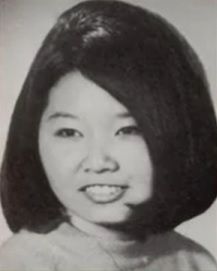
  29. The first thing my mom pointed out about this case is that Maria likely didn’t have enough time to properly identify the culprit due to the 8-second light shut-off. When she saw them again, it was in the dark, which further compromised her ability to clearly see the person. My mom was also exasperated by the fact that, from what we know, there doesn’t seem to have been any DNA or serological testing done on the hat. While it may not have definitively identified the suspect, it could have at least narrowed down potential suspects. In addition to that, she thought they should’ve looked into Dayle’s immediate social circles to see if anyone might fit the profile of the culprit, especially since it seemed that she was the primary target. This kind of basic investigative work could have made a significant difference. Above all, she felt a deep sadness when she saw the picture of Dayle on your blog. It was heartbreaking to see a young woman who appeared to have her whole future ahead of her, only to have it stolen in an instant. The image captured not just a life full of potential, but also the devastating reality of how fragile life can be. My mom couldn’t help but reflect on the unfairness of it all—how someone with so much to look forward to could have everything taken away so quickly and senselessly. It’s a sobering reminder of the cruelty and randomness of such tragedies

    Like

    1. Dayle sounds like such a nice woman. I hate the idea that someone was convicted of her murder based on a hat, just because Richard possibly owned a similar one. That’s all there was. It’s incredible.
      I think people underestimate how many creepy men and stalkers are out there. Apparently Maria H insisted Dayle wouldn’t have been followed but how would she know.

      Liked by 1 person

      1. I always thought that the killer had followed Dayle, not Maria. Maybe he took the chance when Maria arrived, to slip into the garage, but I think Dayle was his original target. If he had followed Maria, how could he make it to the garage in a few seconds? He must have followed Maria, until he saw which garage was hers (without getting noticed), then parked his own car (where exactly?), then made his way to the garage on foot right in time to enter through the closing garage door. Idk, that somehow doesn’t sound very realistic. And Dayle apparently was unpacking her groceries when she was shot, so she probably arrived only a short time before Maria. I also always wondered why the killer took the risk to enter their home. How could he know who was living there, who was there at that time? There could have been a big dog or a husband with 2 friends or anything. And why? Nothing was stolen, there was no sexual assault, no torture, just one shot right between her eyes . In a condo.. so there was a really big risk that someone heard the shots, saw him and called the police. I have read somewhere that he wanted to try out his new gun. Ok, but why there? He could have done that everywhere, with a lower risk. Btw, to me Marias composite sketch looks a lot like (the young) Carrillo, so maybe she mixed features of the killer with his features, because he was the person who interviewed her after the attack?

        Liked by 2 people

      2. She saw headlights of a car round the corner, so he could have parked there and just followed her and sneaked in. It’s all a bit weird. It all seems very personal, doesn’t it. That he targeted them or one of them very deliberately.

        Liked by 1 person

      3. Yes, exactly! It seems very personal. The “combat position”, the shot right in the middle of her forehead. Why should a stranger do something like that, in a random condo, without any other benefit. He shot them and left immediately, he didn’t even take the time to look at them or to check if they both were really dead. The “Night Stalker” raped anyone and everyone, from children to grannies and even little boys, but 2 of the most beautiful women among the victims he doesn’t touch and doesn’t even look at them? He could have asked Maria who else was in the apartment. Did he? No. So probably he knew it. Or was it all just escalating because the light went off?Regarding the headlights: where can I find this info? Is it in the book or in the attachments? Either I missed it or I don’t remember it correctly. And which corner was it? Right now I remember only that the 2nd encouter apparently was different from how I always imagined the scene. Next week I’ll probably have time to start rereading your book. And then I probably will have some questions. 🙂

        Liked by 1 person

      4. I don’t think she specified which corner. She wasn’t even sure if she saw headlight directly or if they reflected off a building. He walked east and probably drove onto San Gabriel Boulevard.

        Liked by 1 person

      5. Somehow I always thought that Maria hid and walked at the right side of the building, There is a sidewalk leading from Village Lane to San Gabriel Boulevard, but I have only now found pictures that show that (at least now) there is a fence between the building and that sidewalk.

        Liked by 1 person

      6. Yeah she ran behind the condos, turned north and turned again towards the front. She went west and met him coming east. So I guess he was round that corner. So he could have already been lurking in the dark on that street. Weird.

        Liked by 1 person

      7. Re: trying out his new gun. I’ve also seen that theory. This is another aspect that makes no sense in Night Stalker lore. He was supposedly already a seasoned killer by the time he attacked Dayle and Maria. Not only Mei Leung and Jennie Vincow but Carrillo thinks he did killed at least four more in 1984. I wonder how they were killed. Are they suggesting he had never used a gun on a victim until 1985? Nothing makes sense because if it’s one killer, he de-escalated and escalated at random.

        Liked by 1 person

      8. To me it makes more and more sense right now that it really escalated because the damn light went off. That forced the killer (whoever it was) to shoot because the situation was no longer controllable for him. And he knew that he had aimed well before and that Maria hadn’t moved yet. But then it still doesn’t make sense to enter the apartment and kill Dayle as well. She hadn’t seen him or anything. It was still just a big risk with no benefits if it wasn’t personal. He even already had seen that his gun worked (and still didn’t care to check if Maria was dead, although he couldn’t be sure if his shot in the dark was successful). It just doesn’t really make sense.

        Liked by 3 people

  30. […] Maria Hernandez never seemed sure of her attacker’s appearance, and she struggled through the in-court identification she gave, admitting that she could not identify him from memory, That’s hardly surprising; four years had elapsed by the time of the trial itself, and she indicated at the preliminary hearing in 1986 that she had only viewed the man who attacked her and murdered her roommate for a mere two seconds. […]

    Like

  31. […] been able to add more insight into the work already done, whether that is regarding the time Maria Hernandez really saw her attacker (spoiler: it wasn’t eight seconds, it was two) or the statement of […]

    Like

Leave a reply to The Ex Parte Order – Expendable For A Cause. Cancel reply